C0359, C0361, C0365, C0371, C0374 and C0378 Codes: Meaning and Checks
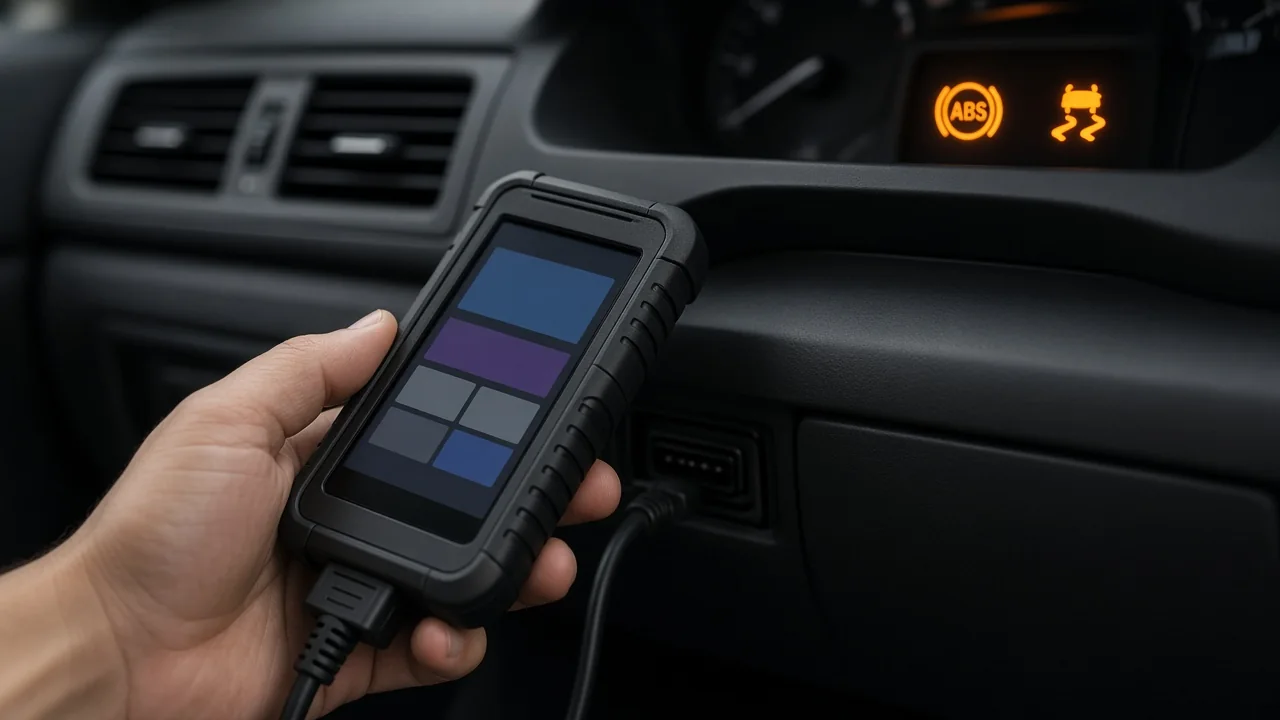
Seeing a chassis trouble code such as C0359, C0361, C0365, C0371, C0374 or C0378 can be confusing because the meaning is not universal. These alphanumeric faults are stored by a control module when it detects a signal or circuit problem, often affecting the ABS, traction control or stability control. Before assuming a part has failed, you need the vehicle-specific definition and enough scan data to interpret the code correctly. This guide explains how to approach each code and what checks make sense first.
Why These C Codes Need a Vehicle-Specific Definition First
The letter C at the start of a diagnostic trouble code identifies the chassis system, which includes braking, stability control, traction control, steering and suspension modules. Unlike generic powertrain codes, chassis codes frequently use manufacturer-specific definitions, so a number like C0371 can point to one fault on a GM vehicle and something entirely different on a Ford. The stored code is only a starting point: it means the module saw a value outside an expected range.
Before interpreting any code from C0359 through C0378, confirm its exact definition for your make, model, year and the module that reported it. A generic scan tool may show only the number or an incorrect description. Use a scan tool capable of reading manufacturer-enhanced codes, or consult factory service information or a dealer. Record every stored code, whether it is current or history, and the module that set it, and note any failure type or freeze-frame data before clearing anything.
C0359 Code: How to Interpret It on Your Vehicle
C0359 is a chassis fault code whose exact meaning must be looked up for the specific vehicle. It may relate to a wheel speed sensor circuit, a steering angle sensor, a yaw rate sensor, or another input used by the stability control system, but this is only a possibility to verify. Some vehicles may use C0359 for a brake pressure sensor or a suspension position sensor. Without the manufacturer definition, any guess is unreliable.
When C0359 sets, note whether the ABS, traction control, or stability warning lamp is illuminated and under what driving conditions the code appears. If you clear the code and it returns consistently, that suggests an active fault rather than a stored history event. Read C0359 together with any other codes stored at the same time, because a shared power supply, ground, or communication issue can set multiple chassis faults and lead you toward the root cause faster.
C0361 Code: What to Check Before Assuming a Failed Part
Like the other codes in this range, C0361 varies by manufacturer and must be confirmed from vehicle-specific information before diagnosis. A stored code points to a circuit or signal condition, not necessarily a failed component. For example, a wheel speed sensor code can be caused by a damaged tone ring, excessive air gap, or corroded connector, not just a faulty sensor. Replacing parts based on the code number alone often wastes money and time.
Before testing, make safe observations: note whether the warning lamps come on only during wet weather or after hitting bumps, and whether braking feel or traction control behavior has changed. Recent repairs, wheel or tire changes, or driving through deep water may have disturbed a sensor or harness. If the code is intermittent, suspect a wiring or connector issue. Professional circuit testing with a digital multimeter and an oscilloscope is the proper way to locate an intermittent open or short.
C0365 and C0371 Codes: Reading Them in Context
C0365 and C0371 are separate codes, and their meanings must each be verified for the exact vehicle. One manufacturer may use C0365 for a left rear wheel speed sensor circuit, while another uses it for a steering angle sensor calibration error. C0371 may indicate a yaw rate sensor signal problem on one platform and a suspension position sensor on a different one. Merging them into one definition will lead to misdiagnosis.
Freeze-frame data, related codes, and the module that stored the fault help narrow down the involved system. A stability control module reporting a yaw rate code together with a steering angle code may point to a shared data bus issue rather than two failed sensors. Symptoms can include stability or traction lights, reduced power, or a disabled feature, but some codes set with no obvious symptom. If codes appear in more than one module, low system voltage or a communication problem is a strong possibility.
C0374 and C0378 Codes: Symptoms and Limits of a Code Scan
C0374 and C0378 also have manufacturer-specific meanings. The same number can mean different things on different brands, so confirm the definition before drawing conclusions. A reader can safely record when the code appears, the driving conditions, which warning lamps are shown, and whether the code returns after clearing. That information helps a technician focus the diagnosis and may reveal a pattern, such as the code setting only during hard cornering or after a cold start.
A scan tool shows where the module saw a problem, not which part failed. The code may point to a circuit, a sensor, or a communication error, but the actual cause could be a wiring harness chafed against a bracket, a loose ground, or low battery voltage during cranking. Clearing codes without fixing the cause erases useful diagnostic information, including freeze-frame data. If the code is current, the problem is present now; if history, it may be intermittent.
Shared Causes Across This Chassis Code Range
Several general, non-vehicle-specific contributors can set chassis codes across this range. Battery or charging system voltage that dips too low can cause modules to log implausible sensor signals. Damaged wiring, especially near wheels, suspension pivots, or engine compartments, can short or open circuits. Corroded connectors at wheel speed sensors or the electronic brake control module are common possibilities. Sensor signal faults can also result from a cracked tone ring or debris buildup, but these must be tested, not assumed.
Recent work such as wheel bearing, brake, suspension, or alignment service can disturb sensors or harnesses. A wheel speed sensor connector may not be fully seated after a bearing replacement, or a reluctor ring may be damaged during installation. After module or sensor replacement, some vehicles require a calibration or programming procedure that varies by manufacturer. Check the service information for your specific vehicle before assuming the new part is defective.
Safe Next Steps and When Professional Testing Is Needed
Brake, ABS, stability, and steering warnings affect vehicle safety. If you notice any change in braking or steering feel, drive cautiously and get prompt inspection. As an owner, you can safely note warning lamps, visually check battery terminals for tightness and corrosion, and look for obvious harness damage near the wheels, but do not disassemble brake or steering parts. A damaged or disconnected sensor harness may be visible without removing wheels, but avoid poking or pulling wires.
A professional diagnosis usually involves a manufacturer-level scan tool that can read live sensor data, circuit testing with a digital multimeter, and service bulletin checks. The technician may need to road-test the vehicle while monitoring wheel speed signals to catch an intermittent dropout. Avoid DIY work on brake hydraulics, ABS modulators, or steering systems, because proper tools and procedures are critical for safety. Share the full code list, the module name, and vehicle details with the technician for faster diagnosis.