C0321 and C0323 Chassis Codes: Meaning, Symptoms, and Next Steps
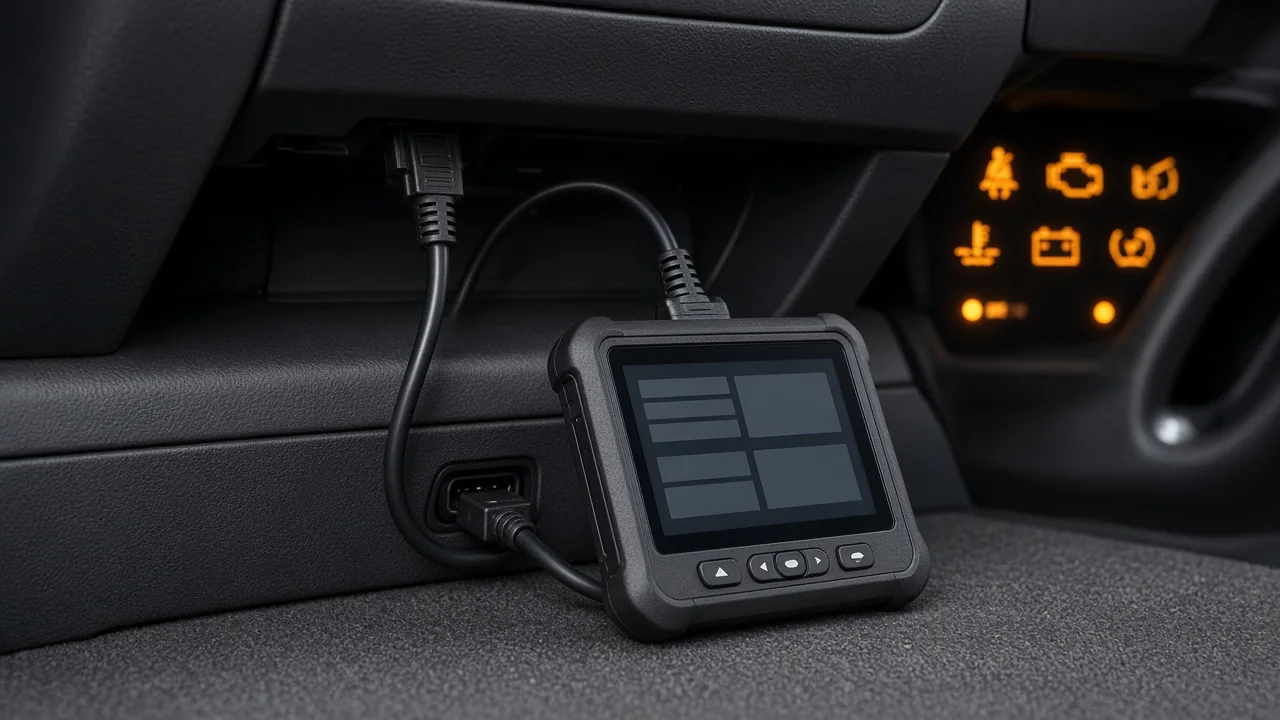
Seeing a C0321 code can be confusing, because chassis diagnostic trouble codes don’t have one universal meaning. A C-code reported by your ABS module or electronic brake control module is manufacturer-specific; the same number on another make may indicate a different circuit. Before reacting, confirm what C0321 means for your exact vehicle using a scan tool with chassis code support and factory service information. This interpretation shapes every later step, from checking symptoms to planning a safe repair.
What a C0321 Code Means and Why the Definition Depends on Your Vehicle
The C0321 code belongs to the chassis category, which means the fault was detected by a module that controls vehicle dynamics such as braking, stability, or traction. Unlike powertrain P-codes, there is no single definition written by a general standard. Instead, the vehicle manufacturer assigns the code to a specific system or component, and the same number can appear in several different modules. You need your make, model, year, and the reporting module to know what it is pointing to.
A generic OBD-II code reader may not even display C-codes, or it may show a brief description that is incomplete. Write down everything the scan tool provides: the full code text, whether it is current, pending, or history, any sub-codes or symptom bytes, and which module set it. That record prevents mistakes later and gives a technician a solid starting point. Never transplant a definition from a different brand, because the same code number can refer to a totally different circuit or system on another vehicle.
Understanding C0323 and How It May Relate to C0321
C0323 is likewise a manufacturer-defined chassis code, so it also needs a vehicle-specific check before you draw any conclusion. The fact that C0321 and C0323 have adjacent numbers does not mean their causes are related. One brand may use them for separate parts of the same system, while another may use them for completely different modules. Always look up each code in the factory service information for your exact vehicle instead of guessing that they share a root cause.
When both codes appear at the same time, look at the order they were stored, whether they are both current or one is a history code, and whether they came from the same module. That information helps highlight which fault happened first and whether one code may be a reaction to the other. Do not clear the codes before recording them and any freeze frame data, because that snapshot captures the operating conditions when the fault was set and can be useful for later diagnosis.
Symptoms and Warning Lights to Watch For
Chassis codes are commonly linked to systems that influence braking, traction control, stability control, or drivetrain behavior. Your confirmed definition tells you which subsystem is involved. A driver might notice a stability control warning or traction control light, or the affected system may stop working and report a fault. Other signs can include a change in brake assist behavior or a message on the instrument cluster, but the specific symptom depends on what the code means for your vehicle.
Sometimes a chassis code is stored with no obvious symptom at all, and the vehicle drives normally. That does not mean it should be ignored, because an underlying problem may still be present or a warning might appear later. Any warning involving brakes, stability control, or steering requires extra caution, since those systems are important for safe handling. Have the vehicle checked promptly instead of assuming the light will go away on its own.
Possible Causes to Check Once the Code Definition Is Confirmed
Once you have confirmed the code definition, the possible causes usually fall into a few groups: a faulty sensor or switch, damaged wiring or connectors, low system voltage, or a problem with the control module itself. The exact list depends on the circuit named in the code. For example, a wheel speed sensor code might be caused by a broken tone ring, bad wiring, or a failed sensor, while a module internal code often points to the module or its power and ground feeds.
Battery condition and charging voltage are common factors because many chassis modules are sensitive to voltage that is too low or unstable. Starting with a battery test and checking charging voltage is a sensible, low-cost first step before replacing expensive parts. Recent repairs, collision damage, water exposure, or corrosion near the affected circuit can also create faults. Keep in mind that a code is only a symptom, not proof that a particular part has failed, and swapping parts based on the code number alone can waste money.
Safe Observations and a Sensible Diagnostic Order
A sensible diagnostic order begins with confirming the exact code definition, recording the codes and freeze frame data, checking battery and charging health, and then inspecting accessible wiring and connectors for obvious damage or corrosion. After those checks, you can clear the codes and retest. This sequence separates simple power or connection issues from deeper faults and helps avoid needless part replacement. Keep notes of what was checked and what you found.
DIY checks should stay within safe limits: visual inspection with the engine off and the vehicle parked on level ground, wheels chocked, and the key removed. Do not open brake hydraulics, work under a vehicle supported only by a jack, or probe airbag or high-voltage circuits. If a code returns immediately after clearing, the fault is likely present all the time; if it only returns after a drive, that suggests an intermittent issue. Live data and circuit testing often require factory-level tools and procedures, so know when to stop.
Repair Paths and When to Get Professional Help
Repair options depend on the confirmed cause. A damaged wire or corroded connector can often be repaired, a failed sensor or switch may need replacement, and a module may require reprogramming or replacement. Some fixes need a calibration, initialization, or relearn procedure afterward, so check the factory service information to see if that applies. There is no one-size-fits-all answer, and guessing can lead to a repair that does not fix the fault.
Go to a qualified technician if you have brake or stability warnings, a code that keeps coming back after clearing, several related codes, or no access to a scan tool that reads chassis data. A good shop should confirm the diagnosis with test results before installing parts, and they can check whether any manufacturer service bulletins apply to your vehicle. Ask for the specific test data that led to their recommendation, because that protects you from paying for unnecessary repairs.