C0301 Through C0305 Codes: Meaning, Causes, Symptoms, and Diagnosis
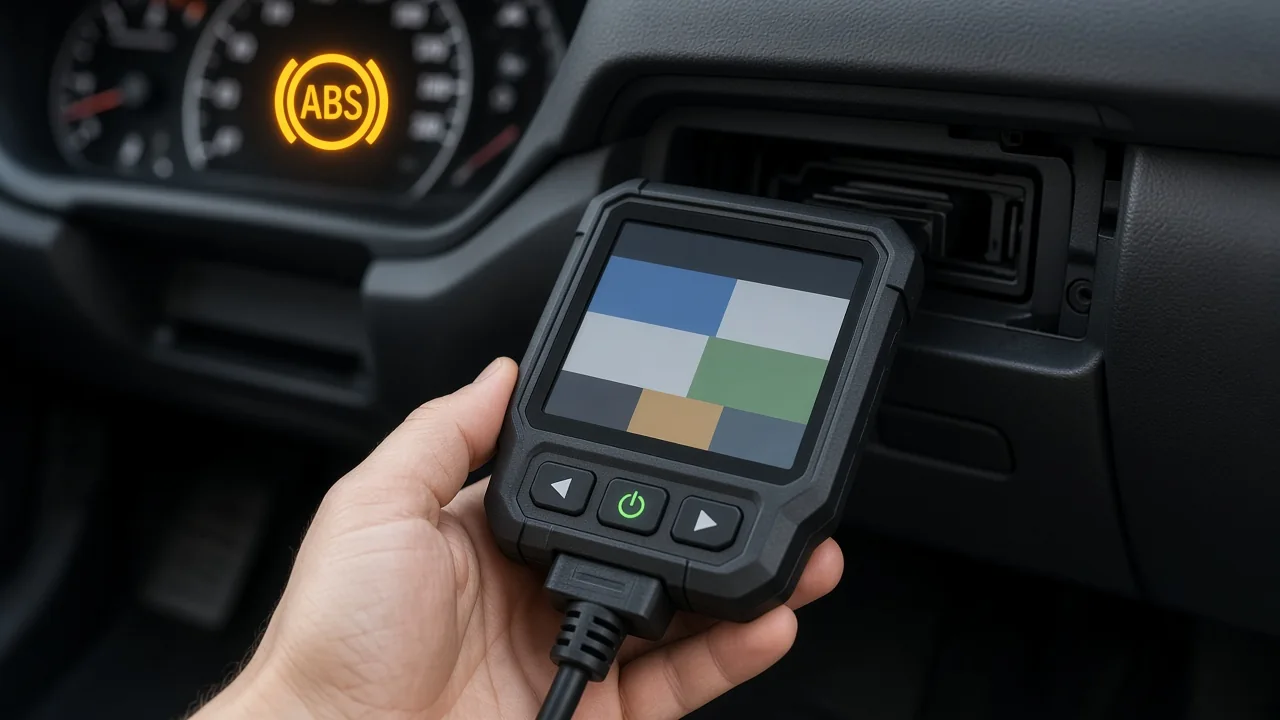
Seeing C0301 through C0305 on a scan tool confuses many drivers because these chassis codes have no single universal meaning. They are manufacturer-defined and vary by vehicle, module, and model year. Before replacing parts, you must confirm the exact definition for your car, note which control module set the code, and look for related trouble codes. This article explains what these codes may indicate, how to read them correctly, and when professional diagnosis is necessary.
What the C0301 Code Means and Why Its Definition Depends on the Vehicle
C-prefix codes are chassis diagnostic trouble codes, typically set by modules controlling brakes, stability control, suspension, or steering. Unlike P-codes for powertrain, chassis codes often vary by manufacturer because each automaker assigns its own meaning to the numbers. A generic scan tool may display only “C0301” without a clear description, leaving you unsure of the fault. Confirm the definition using factory service information or a scan tool that supports manufacturer-specific codes.
C0301 has no single universal definition; its meaning depends on the make, model, year, and even the specific control module in the vehicle. One manufacturer might use C0301 for a wheel speed sensor circuit issue, while another could define it as an ABS control module internal error. Always verify the exact description for your vehicle. A common mistake is confusing C0301 with P0301, which indicates a cylinder one misfire. The letter prefix matters, so note which module stored the code, such as the electronic brake control module, before interpreting the symptom.
Reading a C0301 Code Correctly: Freeze Frame, Status, and Related Codes
Before replacing any parts, understand the code's status. A current code means the fault is present now, while a pending code indicates the condition was detected once but not yet confirmed. A stored or history code means the fault occurred previously but is not active. The status matters because an intermittent issue may not require immediate part replacement. Freeze frame data, when available, shows conditions at the moment the code set, such as vehicle speed, engine rpm, or system voltage. This snapshot can reveal if the code set during a specific event like a cold start or a bumpy road.
Scan all modules for related codes. A chassis code may be accompanied by network communication codes, voltage codes, or other chassis faults that change the diagnosis. For example, a low system voltage code alongside C0301 might point to a battery or charging issue rather than a sensor failure. Record every code from every module. Clearing the code without recording it first destroys diagnostic information, including freeze frame data, and does not fix the fault.
C0302 and C0303 Codes: Treat Each as a Separate, Vehicle-Specific Fault
Neighboring code numbers are not guaranteed to be related. C0302 and C0303 are separate codes with their own manufacturer-specific definitions. One might refer to a wheel speed sensor, another to a steering angle sensor, or neither. Each code must be looked up for the specific vehicle and module that reported it. In general, chassis codes in this range may relate to systems like ABS, traction control, or stability control. On some vehicles, these codes could involve wheel speed sensors, hydraulic modulator circuits, or steering angle sensors, but do not assume a component is faulty based on the code number alone.
Check whether C0302 or C0303 appears together with C0301 or alone. Multiple codes from the same module often suggest a common cause such as a wiring harness connector or low voltage. Note which module reported each code—could be the ABS control module or the steering control module—because that directs diagnosis. Look for technical service bulletins (TSBs) from the manufacturer. A TSB may describe a known issue with the code, such as wiring harness chafing or a software update. Do not assume a bulletin exists for every code, but checking the manufacturer's database or a dealer can save diagnostic time.
C0304 and C0305 Codes: What to Check Before Assuming a Cause
C0304 and C0305 also have manufacturer-dependent meanings. Before drawing conclusions, verify the exact definition for your vehicle. The code might relate to a pressure sensor, a valve circuit, or a module internal fault. Treat the code as a starting point, not a definitive diagnosis. Common underlying causes for chassis codes include wiring or connector problems, low system voltage, sensor faults, module communication issues, and actual component failures. A damaged wire or corroded connector can set a code just as easily as a failed sensor. The code identifies the circuit or condition the module detected, not necessarily the failed part.
Always check battery condition and charging voltage first. Low voltage can set false chassis codes on many vehicles because modules require stable power to operate correctly. A weak battery or failing alternator can cause intermittent codes that disappear once voltage returns to normal. Perform a battery load test if possible. Remember, the code does not prove a part has failed. For example, a wheel speed sensor code could be caused by a damaged tone ring, a wiring issue, or a module problem. Replacing the sensor without checking the circuit may not fix the fault. Use the code as a clue to begin testing the associated circuit.
Warning Lights and Symptoms That Can Come With C0301–C0305
Warning lights that may appear with these codes include the ABS light, traction control light, stability control warning light, and sometimes a brake or steering warning. The exact light depends on which system is affected. Some vehicles may display a generic “service stability system” message along with the code. While the fault is active, some features like ABS or stability control may be disabled even if normal braking still works. You may notice the traction control light on and reduced stability assistance. Driving without ABS is possible but reduces safety, especially on slippery roads.
Safe observations include when the light comes on—at startup, after driving a certain distance, or during specific maneuvers. Note whether the problem is intermittent and whether it follows bumps, rain, turns, or a cold start. These patterns help a technician replicate the condition. Do not drive if brake pedal feel, steering effort, or vehicle stability changes. If the brake pedal becomes hard or soft, or the steering feels heavy, pull over safely and have the vehicle towed. Even if the vehicle feels normal, have it inspected promptly to prevent further issues.
Safe Checks at Home and Where DIY Diagnosis Should Stop
At home, limit yourself to non-invasive checks: scan and record all codes, inspect battery terminals for corrosion or looseness, and visually inspect wiring that is visible without taking anything apart. Look for obvious damage to wheel speed sensor wiring near the wheels if accessible. A basic scan tool can read codes and freeze frame data, but it cannot perform circuit tests or module diagnostics. Guessing at parts often wastes money. For example, replacing a wheel speed sensor because of a code without checking the wiring may not fix a broken wire.
Do not open hydraulic brake systems, bleed ABS modules, or work on steering or suspension components yourself. These systems are safety-critical and require specialized tools and knowledge. Attempting them can cause brake failure or loss of steering control. Some repairs may require the module to be calibrated, initialized, or programmed with dealer-level tools. For instance, after replacing a steering angle sensor, the module may need a calibration procedure. A home scan tool usually cannot perform this function.
When to Get Professional Testing for C0301–C0305 Codes
A qualified technician typically starts with a manufacturer-specific scan to retrieve the exact code definition and any sub-codes. They perform pinpoint circuit tests using a multimeter or oscilloscope, review live data from the module, and verify the repair with a road test to ensure the code does not return. Seek professional help right away if brake, steering, or stability warnings appear and the vehicle feels different to drive. Do not wait for the problem to worsen. A technician can safely test the system and prevent a potential safety issue.
Bring the following information to the shop: the exact codes including letter prefix and numbers, the module that stored each code, when symptoms occur (e.g., only when cold, after bumps), and any recent repairs or modifications. This saves diagnostic time. Repair cost depends on the confirmed cause and the vehicle. Ask for a diagnosis before approving parts. A good shop will explain what they found, what needs repair, and why. Do not accept a quote without a proper diagnosis.