C0300 Code: Vehicle-Specific Meaning, Symptoms and Diagnosis
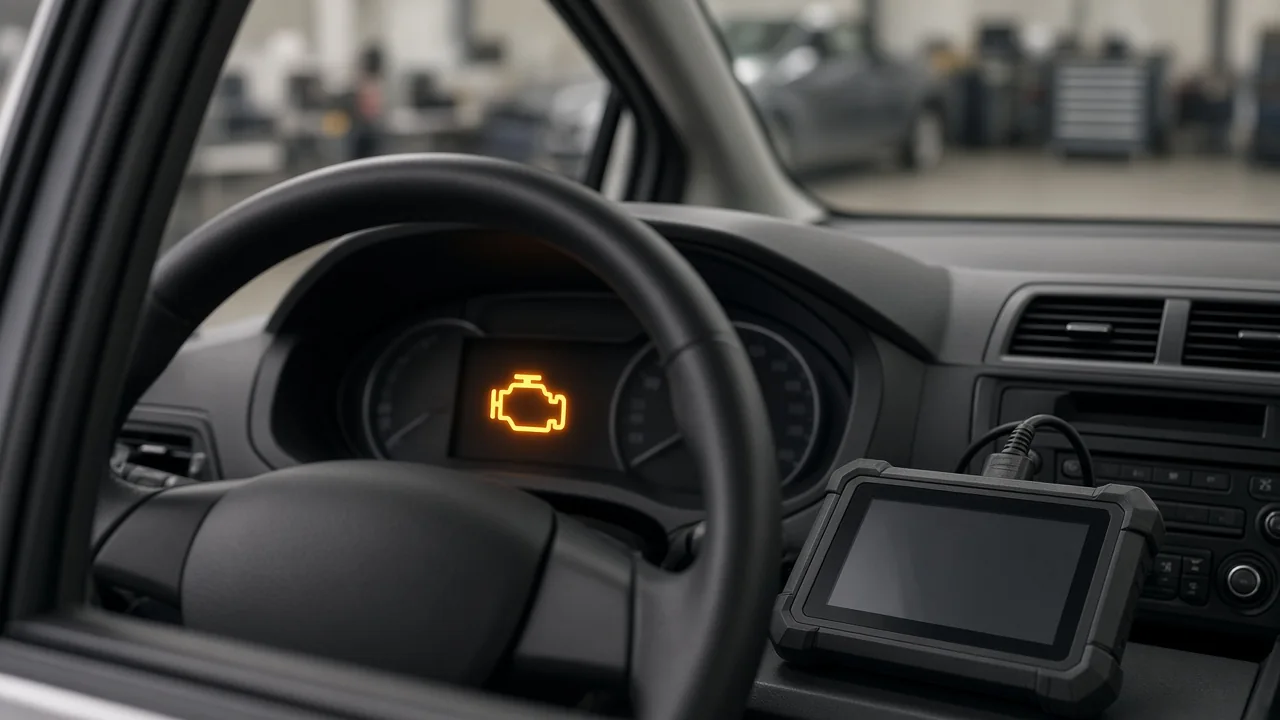
A C0300 code is a chassis diagnostic trouble code that needs confirmation for your specific vehicle before any part is blamed. Its definition, the reporting control module, and the diagnostic path can differ by year, make, model, and drivetrain. Treat stored fault data as a starting point, not proof of failure. Recording warning lights, operating conditions, and a complete diagnostic scan helps a technician interpret C0300 without guessing from a scan tool label alone.
Verify What C0300 Means for Your Vehicle
C0300 belongs to the chassis diagnostic trouble code family, but that grouping does not assign one universal meaning. The code definition for your vehicle depends on the year, make, model, drivetrain configuration, the control module that stored the fault, and any suffix attached to the code. A transfer case controller, brake module, or another chassis unit may report C0300 for different reasons. Until those identifiers are confirmed, treating the code as a generic sensor or drivetrain failure is not a reliable interpretation.
A technician verifies the definition in the applicable service information for that vehicle and that reporting module, not from a scan tool short description alone. Generic databases often compress chassis codes into a brief phrase that omits circuit details, enable criteria, and the prescribed diagnostic procedure. Any discussion of a speed sensor signal, wiring and connectors, or a monitored component should stay conditional on that verified definition. If the service information points to a different circuit or function, the inspection path must follow that procedure rather than a generic parts list.
Warning Lights and Symptoms to Record
A drivetrain warning light or another chassis indicator may appear with a C0300 code, but the actual lamp, message, or cluster symbol depends on the vehicle and the module that stored the fault. Some systems illuminate a drivetrain or stability warning; others show a general service message or no obvious lamp at all. Record every dashboard indication, chime, and displayed text as they appeared, including whether the warning stayed on, flashed, or returned after a restart. Those notes help match stored fault data to the mode in which the module set the code.
Also note any change in drivetrain engagement, unusual noise, vibration, or restricted operation, without treating those observations as proof of a specific failed part. A stored C0300 code can remain after an intermittent symptom disappears, and it may be present without an obvious driving complaint. Useful context includes when the warning appeared, speed or load at the time, weather, road surface, and any recent service that involved chassis, drivetrain, or electrical work. Snapshot records from a diagnostic scan, when available, add timing that memory of the event cannot replace.
Possible Causes After the Definition Is Confirmed
Once the verified definition identifies a circuit or system, possible causes belong to that path rather than a generic C0300 parts catalog. If service information describes a sensor condition, an implausible speed sensor signal may involve the sensor, wiring and connectors in that circuit, or the component whose motion the sensor should represent. Corrosion, a loose terminal, damaged shielding, or a mechanical issue that changes what the sensor sees can produce a reading the control module rejects. The code is evidence the module saw a condition outside its criteria, not a verdict that one part has failed.
Power supply, ground, and control module faults belong in the discussion only where the vehicle's diagnostic procedure directs those checks. A module that cannot power a sensor circuit, a poor ground that distorts a reference, or internal module failure can set chassis codes, but those possibilities are not automatic next steps for every C0300. Frequency rankings that claim one cause is most common are not supported here and should not drive parts replacement. Until tests isolate the fault, replacing a sensor, harness, or module on the code number alone remains a guess rather than a confirmed repair.
Safe Checks and Decisions About Driving
Before clearing codes or disconnecting the battery, save the complete scan report and any dashboard messages. Stored fault data, related codes, and module snapshots can disappear when power is removed or when a scan tool erases memory, leaving the next diagnostic scan without the original context. Owner observations should stay limited to parked, accessible checks for obvious damage, disconnected connectors that are already in view, or visible fluid leaks. Do not crawl beneath an unsupported vehicle, probe circuits, or operate drivetrain components in an attempt to force the condition to reappear.
C0300 alone cannot establish whether continued driving is safe. Follow the vehicle's warning messages and the owner's manual for reduced drivetrain modes, warning lamps, and any instruction to stop or seek service. If severe vibration, grinding, loss of drive, or impaired vehicle control appears, stop safely and arrange assistance rather than trying to reproduce the symptom. A chassis code that coincides with those conditions is a reason to treat the vehicle as compromised until a technician evaluates the verified system, not a license to keep driving in hope the warning will go out.
How a Technician Diagnoses the C0300 Code
Diagnosis starts with a scan of the relevant modules using equipment that can read the vehicle's chassis and drivetrain systems, not only powertrain codes. The technician reviews C0300 alongside related codes, current versus history status, and any stored fault data the reporting control module still holds. Current status can point to a condition still present; history status can show an intermittent event that needs a different sequence. Related faults help set the order of checks without proving a root cause, since one failed circuit or mechanical issue can disturb more than one signal.
Professional assessment then follows the verified service procedure for live data, circuit integrity, power supplies, and grounds where that procedure calls for those tests. If the definition involves a speed sensor signal, the technician compares reported values against service criteria rather than assuming the sensor is defective. Signal testing or mechanical inspection of the monitored component may be required when electrical checks do not explain the stored condition. Those steps belong in a shop with proper support and isolation; they exclude hazardous access, energized probing by an untrained owner, or road tests on a compromised drivetrain.
Repair Options and Confirmation That the Fault Is Resolved
Repair options follow the test results, not the code number. A confirmed open, short, or high resistance path in wiring and connectors is corrected at that fault; a connector that fails inspection is repaired or replaced as the procedure specifies; a component that fails the applicable checks is replaced only after those checks fail. Control module replacement, programming, or mechanical repairs are reserved for findings that specifically justify them, such as a module that fails commanded tests after power, ground, and circuit integrity are proven sound, or a mechanical defect that explains the implausible signal.
Clearing C0300 is not a repair. Confirmation requires the prescribed verification procedure in service information and a later diagnostic scan of the reporting module and related systems to show the code does not return under the conditions the manufacturer uses to validate the fix. When authorizing work, request the verified code definition, the diagnostic findings, the repair rationale tied to those findings, and an itemized estimate. Prices vary by vehicle and by what the tests require, so an estimate should describe labor and parts for the confirmed path rather than a bundled replacement based on the code label.