C0291, C0292, and C0293 Codes: Meaning, Causes, and Fixes
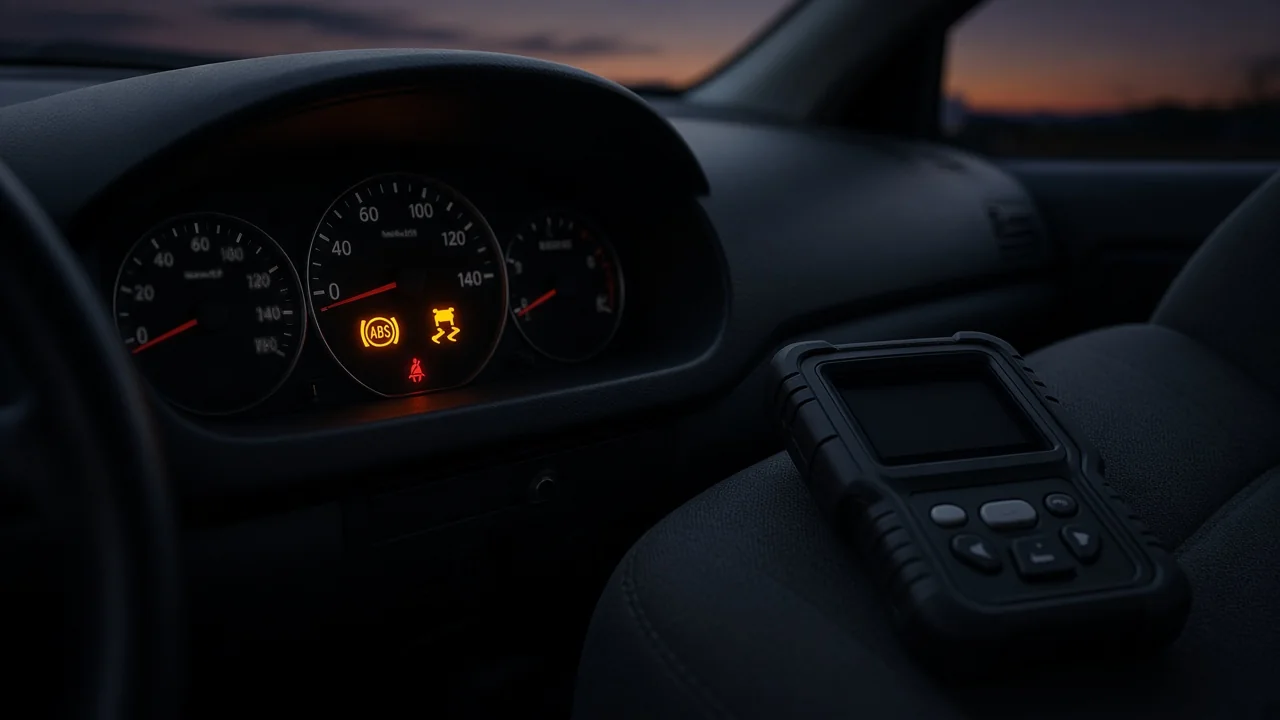
A C0291 code on your dashboard is a chassis diagnostic trouble code, often related to stability control, traction control, or ABS systems. Because C-codes are manufacturer-specific, C0291, C0292, and C0293 do not have a single universal meaning. You need the correct definition for your vehicle before interpreting the fault. Understanding what these codes indicate and how they interact can help you decide on safe next steps.
What a C0291 Code Means and Why It Changes by Manufacturer
Chassis codes, which start with the letter C, cover systems beyond the engine and transmission, such as brakes, steering, suspension, and stability control. They are stored when a module detects a problem in one of these areas, often turning on warning lights. A C0291 code falls into this category, but it is not tied to one specific fault across all vehicles.
C0291 is a manufacturer-specific code, meaning its definition can vary by make, model, and even model year. One automaker might use it for a wheel speed sensor circuit issue, while another could define it as a control module communication problem. Because of this variability, you should confirm the exact definition using a scan tool with manufacturer-specific data, official service information, or a dealer. Relying on a generic code list or a forum post for a different brand can lead you to replace the wrong part.
How C0292 and C0293 Relate to C0291
C0292 and C0293 often appear near C0291 in code listings, and they may be grouped within the same subsystem on many vehicles. However, that does not guarantee a fixed relationship. Each code still needs its own vehicle-specific definition, so you should not assume one describes a left side and another a right side, or that they always occur together.
When several related codes are stored at once, a shared cause becomes more likely. Problems such as low system voltage, a poor ground, damaged wiring, or a network communication fault can affect multiple circuits and set several codes simultaneously. This is a starting point for diagnosis, not a final answer. Before clearing anything, record every stored code, including powertrain and network codes, along with freeze frame data that captures conditions at the time of the fault.
Symptoms and Warning Lights Drivers May Notice
Chassis faults often trigger visible warning lights on the dash. The most common are the ABS light, traction control light, and stability control light, but a general brake warning light may also appear. The exact combination depends on how the manufacturer configured the system and which module detected the problem.
In many vehicles, when a chassis code is active, the system may reduce or switch off stability and traction assistance to prevent unsafe intervention. You might notice the stability control light flashing or staying on. However, a code can be stored even with no noticeable driving symptoms, and warning lights may come and go with temperature, vibration, or electrical load changes. If you see a red brake warning, a change in pedal feel, or unusual braking behavior, stop driving and have the vehicle checked immediately.
Common Categories of Causes to Consider
The causes behind these codes generally fall into a few broad categories. Wiring or connector problems near the wheels or control modules can create intermittent signal loss. Low system voltage, a weak battery, or poor grounds can cause modules to shut down or misreport. Sensor faults, control module issues, and network communication errors are also possible.
Recent repairs, battery replacement, collision damage, or water exposure can be important context. For example, a pinched harness during suspension work or corrosion after flooding might lead to one of these codes. Because the actual cause depends heavily on the verified code definition, you cannot confirm a failed component from the code number alone. Avoid assuming one cause is the most common across all vehicles without manufacturer data to support it.
Safe Checks You Can Do Before a Shop Visit
Before taking the car to a shop, you can perform a few safe checks. Start with the battery: a weak or aging battery can cause low system voltage that sets multiple chassis codes. Look for charging warnings on the dash or a battery that struggles to start the engine. A simple voltage check with a multimeter can give a rough idea, but many parts stores offer free battery testing.
Visually inspect accessible wiring and connectors near the wheels, such as those running to the wheel speed sensors. Look for obvious damage like cuts, frayed insulation, or connectors that are loose or corroded. Do not take apart any brake or suspension components. Also note when the warning appears: on a cold start, after rain, at certain speeds, or over bumps. A basic code reader may not access chassis modules or show live data, so even if you can read the code, your diagnostic information will be incomplete.
Professional Diagnosis and Repair Paths
Professional diagnosis typically starts with a scan tool that can communicate with the chassis module, read all stored codes, and display live data such as wheel speeds, sensor voltages, and module status. Technicians also check for technical service bulletins that may describe known issues and fixes for a particular model. They may confirm whether the control module has the latest software or if a calibration update is needed.
The repair itself should follow a confirmed cause. That might mean repairing a damaged wire, replacing a faulty sensor, addressing a module issue, or performing a programming update. A responsible shop will not guess based solely on the code number. Ask the technician to explain which test identified the fault before approving any parts replacement. This can help you avoid unnecessary work and give you confidence in the final repair.
Clearing the Codes and Confirming the Fix
Clearing codes without repairing the underlying problem usually only hides it temporarily. The warning lights may stay off for a short time, but the code is likely to return right away or after one or two drive cycles once the module runs its self-checks again. Clearing a code also erases freeze frame data that could help a technician diagnose the issue later.
After a repair, verification means driving the vehicle under normal conditions and confirming that the codes stay cleared, the warning lights remain off, and the system self-checks pass. Some vehicles require a calibration or relearn procedure after certain repairs, such as steering angle sensor reset or ABS module initialization; this must be done according to manufacturer guidance. If any related code comes back, further diagnosis is needed.