C0281 Through C0288 Codes: What They Mean, Causes, Symptoms, and Fixes
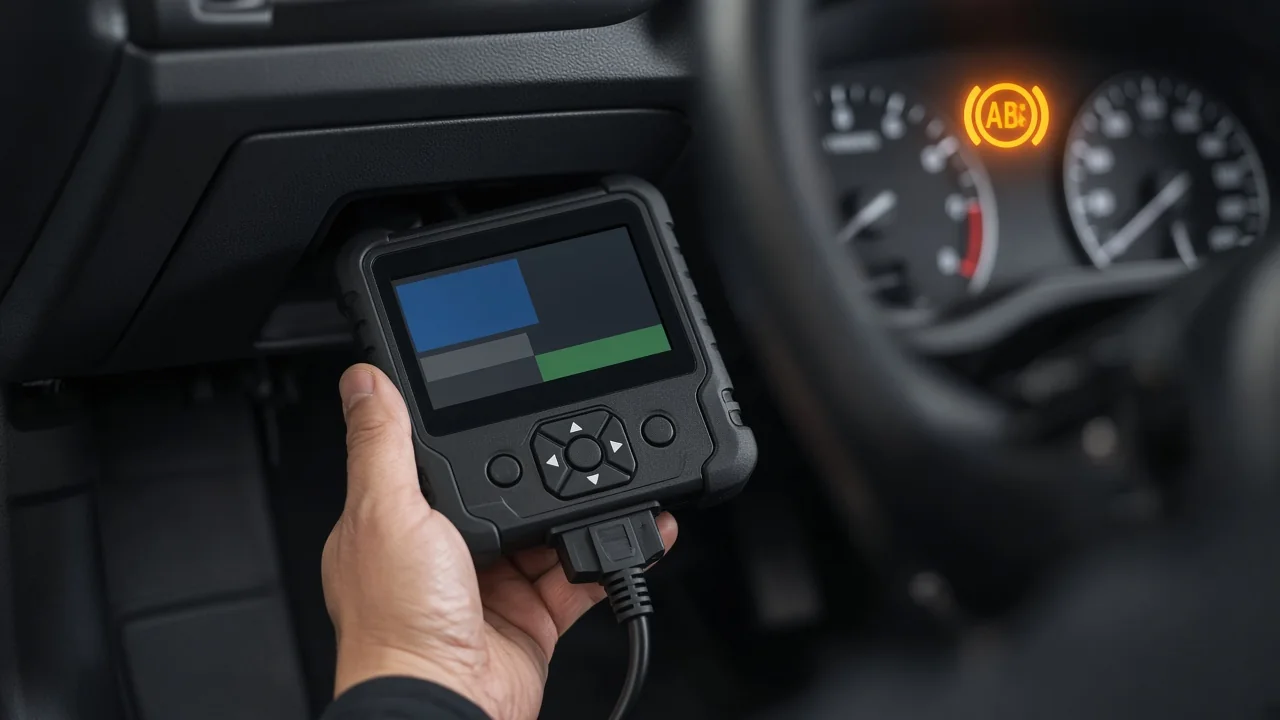
Seeing a C0281 or another code in the C0281 through C0288 range can be confusing because these chassis diagnostic trouble codes have no universal definition. One number may point to a brake switch signal issue on one vehicle and an electronic brake control module circuit on another. Understanding how to interpret them, what symptoms may appear, and which checks are safe to do helps you communicate with a technician and avoid unnecessary repairs.
How the C0281–C0288 Chassis Code Range Works and Why Meanings Vary by Make
C-prefix diagnostic trouble codes are chassis codes, usually set by modules controlling the ABS, traction control, or stability control system. The electronic brake control module monitors inputs and runs self-tests. When a signal falls outside expected ranges or internal checks fail, it stores a code and often turns on warning lights. Codes C0281 through C0288 reside within this chassis range, so their meaning is tied to the module that set them and the vehicle's software.
The same code number can represent different faults across manufacturers, models, and model years. A generic scan tool may display only the number or a vague description, which can mislead diagnosis. Enhanced scan tools that support the specific make can retrieve freeze frame data, code status, history versus current information, and subtype details. Several codes in this range often set together. A shared cause such as a power, ground, communication, or input-signal problem is more likely than multiple independent failures.
C0281 Code: Interpreting It Correctly on Your Vehicle
C0281 is a manufacturer-defined chassis code, so confirm the exact definition for your vehicle before assuming a specific circuit or component. The code may relate to a brake-related input signal, an ABS or stability module circuit, or a signal plausibility check. Record which module set the code, whether it is current or history, the freeze frame conditions at the moment it set, and any other codes stored alongside it.
A code number alone cannot prove that a particular sensor, switch, or module has failed. It is evidence to interpret with service information and targeted testing. Replacing parts based only on C0281 often wastes money and may not clear the code. Instead, use the recorded details to guide a logical diagnosis. If the code is a history code, for example, the operating conditions at the time it set become much more important than the component names in a generic description.
C0283 Code: What to Confirm Before Diagnosing
The meaning of C0283 depends on the vehicle manufacturer and must be confirmed in service information. Setting conditions matter: did the code appear at startup, while braking, at a certain speed, or after battery work? A code that sets after battery replacement may indicate a system voltage-related initialization issue, whereas one that appears only while braking points toward a brake switch signal or wheel speed sensor circuit.
Safe owner checks include looking for visible wiring damage near easy-to-see chassis components, noting recent repair or collision history, and documenting which warning lights came on with the code. Clearing the code and observing whether it returns is a way to gather information, not a fix. If C0283 returns immediately, the fault is likely active; if it takes days, the cause may be intermittent.
C0285 and C0286 Codes: Common Diagnostic Themes
C0285 and C0286 are separate codes whose definitions must be looked up for the specific vehicle. Do not assume they describe the same fault or even related circuits. General causes for chassis-module circuit codes include damaged connectors, corrosion in wiring harness connectors, chafed wiring, low system voltage, or an internal module fault. These are categories to check, not confirmed causes for a particular vehicle.
Battery condition and charging voltage are sensible first checks because low voltage can cause multiple chassis-module codes on many vehicles. A weak battery during cranking or a failing alternator can create voltage drops that modules interpret as circuit faults. Confirming a wiring or module problem usually requires wiring diagrams and electrical testing performed according to the manufacturer's procedure, with the connector disconnected and the circuit loaded to find high resistance.
C0287 and C0288 Codes: Checks and Likely Repair Paths
C0287 and C0288 also have manufacturer-dependent meanings, so confirm the definition before choosing a repair path. Typical repairs after diagnosis may include repairing wiring or connectors, replacing a failed sensor or switch, updating software or reprogramming a module, or replacing a module only after testing confirms the fault. The specific repair depends on the confirmed cause, not on the code number alone.
Some chassis repairs require scan-tool calibration, relearn, or initialization procedures after parts are replaced. Without these steps, the system may not operate correctly even after the physical repair. Check for manufacturer service bulletins or software updates through a dealer or a qualified shop. The existence of a bulletin is not a guarantee of a fix, but it can guide the technician toward known issues for a particular model and model year.
Symptoms You May Notice and What They Do and Don't Tell You
Symptoms may include a lit ABS warning light, traction control light, or stability control indicator. Drivers may notice loss of traction or stability assist, changes in brake pedal feel, or problems with features that depend on brake signals, such as hill-start assist. These symptoms can occur with any of the C028x codes and do not identify the specific fault.
Normal base braking may still work when ABS or stability functions are turned off, but the vehicle's handling in emergencies can be reduced. Drive cautiously and avoid hard braking situations until the problem is diagnosed. Stop driving and get help if the brake pedal feels abnormal or the red brake warning light is on. Guessing from symptoms alone is unreliable because different faults can cause the same warning lights.
When to Get Professional Testing for C028x Chassis Codes
Brake and stability system repairs are safety-critical. Do not disassemble brake hydraulic components or electronic modules yourself. A professional diagnosis usually includes an enhanced scan, a lookup of the code definition for the specific vehicle, live data review, and circuit testing. After repair, the technician should verify that the code no longer returns and that all related systems function correctly.
Bring the exact codes, which module set them, the conditions when they appeared, recent repairs, and any symptoms you noticed. This information helps the shop avoid repeating checks you have already done and speeds up the diagnosis. Repair cost depends heavily on the confirmed cause, which can range from a simple connector repair to module replacement, so avoid quoting specific prices without a diagnosis.