C0273 Through C0278 Codes: Meaning, Causes, and Fixes
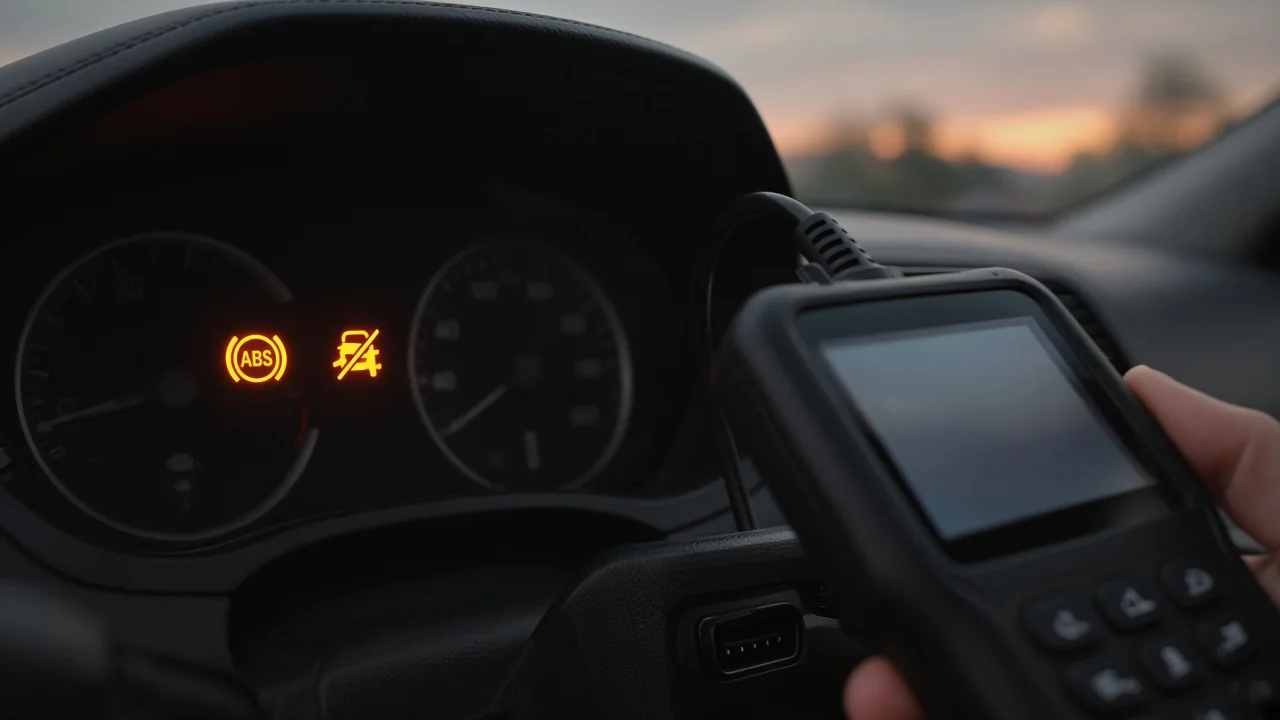
Seeing an ABS warning light or traction control light with a C0277 code can be unsettling, but these chassis codes are not one-size-fits-all. C0273 through C0278 are stored by the electronic brake control module when a system signal falls outside expected parameters, yet their exact meaning changes by manufacturer, model, and year. A generic code reader may show only a vague description, leaving drivers unsure whether the fault is sensor-related, wiring-related, or something else. Understanding how to read these codes correctly is the first step toward a safe, accurate repair.
How the C0273–C0278 Chassis Code Range Works
C-prefix diagnostics are chassis trouble codes, and they typically relate to systems that control braking, traction, stability, or suspension. Unlike universal powertrain codes, the C0273 through C0278 range does not share one fixed definition. Each code is assigned a meaning by the vehicle manufacturer, and it can point to a wheel speed sensor circuit, a module power supply, or another monitored input. That is why one car may use C0277 for a left front sensor while another brand uses it for a different circuit entirely, and why factory service information is essential.
Because these codes are manufacturer-specific DTCs, a handheld scanner may display only the number or a generic phrase such as "chassis control module signal." That alone is not enough to diagnose the problem. The codes are grouped here because they can appear together in the same braking or stability system, but each one must be verified for the exact make and model. A manufacturer-level scan tool or dealer service information will show the precise description, enabling a logical diagnostic path rather than guesswork.
C0277 Code: Reading It Correctly for Your Vehicle
C0277 is best approached as a vehicle-defined code, not a universal fault. Before researching it, note the full vehicle details: year, make, model, engine, and which module stored the code, such as the ABS or stability control unit. Also record any companion codes that set at the same time, since a cluster of chassis codes often shares a root cause. A C0277 code on one vehicle might relate to a pressure sensor calibration, while on another it could indicate a steering angle signal issue, so these details determine the correct service information to consult.
The status of the code matters as much as its number. A current code means the fault is present right now, a stored code occurred recently but is not active, and a history code was logged in the past. Freeze frame data, which records operating conditions like speed and voltage when the code set, can reveal whether the problem appears only during certain maneuvers. Relying on generic online definitions and replacing a suspected sensor or module without confirming the signal or circuit can waste money and leave the original problem untouched.
C0278 and C0276 Codes: What to Check Before Assuming a Fault
C0278 and C0276 must be treated as two separate manufacturer-specific codes, even if they show up on the same scan. One may be defined as a wheel speed sensor circuit fault while the other could point to a solenoid or control module signal, depending on the platform. In general, chassis codes in this range often mean the module saw an electrical value outside its expected range, such as an open circuit, a short to ground, or a signal that does not match the others. The exact circuit can only be identified by the vehicle's own diagnostic information.
A practical first step is a careful visual inspection of accessible wiring and connectors. Look for obvious damage like chafed insulation, loose plugs, or green corrosion on terminals, which can create intermittent faults. If several chassis codes appear together, a shared cause such as low supply voltage, a bad ground, or a communication issue is possible, but only electrical testing can confirm that. Also note if a code clears and then returns under specific conditions; that pattern is valuable information to report to a technician because it narrows down the trigger.
C0273 and C0274 Codes: Interpreting Them Without Guesswork
C0273 and C0274 follow the same rule: their definitions are not universal, so the vehicle-specific description must be found before any testing or repairs. Neighboring code numbers do not mean neighboring components, and assuming two consecutive codes share a cause can lead to replacing the wrong part. One code might be defined as a brake pressure sensor, while the next could be a lateral acceleration sensor, and only factory documentation will say for that exact model year and option package.
Certain events can cause chassis codes to be stored even when no component has failed. A weak battery, a recent jump start, or electrical work that briefly interrupted power to the control module may trigger a spurious code. If the light comes on after such an event, record whether the code comes back after it is cleared and under what driving conditions, such as hard acceleration or wet roads. The correct repair depends on the confirmed code definition plus diagnostic test results, not on a code reader's generic label or an internet guess.
Symptoms and Safe Driving Observations
A chassis fault in this range can illuminate several warning lights, but the exact one depends on the vehicle. The ABS warning light is common, and the traction control light or stability control light may also appear because those systems share sensors and modules. In some cases, a brake system light will glow, but a red brake warning light usually means a more serious hydraulic or parking brake condition. Noting which lights are on, and whether they blink or stay solid, helps a technician understand which module is reporting the fault.
When an ABS or stability system is disabled due to a stored code, standard braking typically still works because the base hydraulic circuit remains intact. However, the loss of anti-lock and stability assistance can increase stopping distances and reduce control in emergencies, so driving should be cautious and the vehicle inspected soon. If the brake pedal feels soft or sinks, the car pulls to one side when stopping, or there is grinding or unusual noise, stop driving and have the vehicle towed to avoid a potentially unsafe condition.
Diagnosis: What Scan Tools and Professional Testing Can Confirm
A basic code reader can retrieve chassis codes, but it usually cannot display live data, activate solenoids, or run manufacturer self-tests. A professional scan tool that talks to the ABS or stability control module is required to see wheel speed readings, switch states, and voltage values. Technicians also use factory diagnostic steps and wiring diagrams to measure circuits directly with a digital multimeter, confirming whether a sensor, connector, or wiring run is at fault. The code alone cannot distinguish a failed component from a corroded terminal or a chafed wire.
Because these codes can involve high-pressure brake hydraulic components, ABS modulators, or module programming, certain repairs must be left to a qualified professional. Brake fluid under pressure can cause injury, and improper module configuration can create new faults. When discussing the diagnosis, ask the shop which specific test confirmed the fault and whether the code returned after the repair. A trustworthy diagnosis follows a logical path from code retrieval to signal measurement to confirmed root cause, not a guess based on the code number.
Repair Paths and Confirming the Fix
Once testing has confirmed the root cause, the repair may be as simple as cleaning a connector, repairing a damaged wire, or replacing a failed sensor or module. The exact part and procedure depend on the vehicle's definition of the code and the measured fault. No one repair fits all C0273 through C0278 codes, and naming a specific part without testing is guesswork. The goal is to restore the circuit or component to the expected range so the control module sees a valid signal again.
Clearing codes without repairing the underlying condition is not a fix; the warning light will simply return, often during the same driving pattern. A proper confirmation starts by erasing the code, then performing the manufacturer's verification test or a test drive that reproduces the original conditions, and finally scanning again to see if the code stayed gone. Owners should also check official sources for service bulletins or recalls for their vehicle, since some chassis code clusters have known fixes from the manufacturer.