C0246 Code: Meaning, Causes, and Fixes
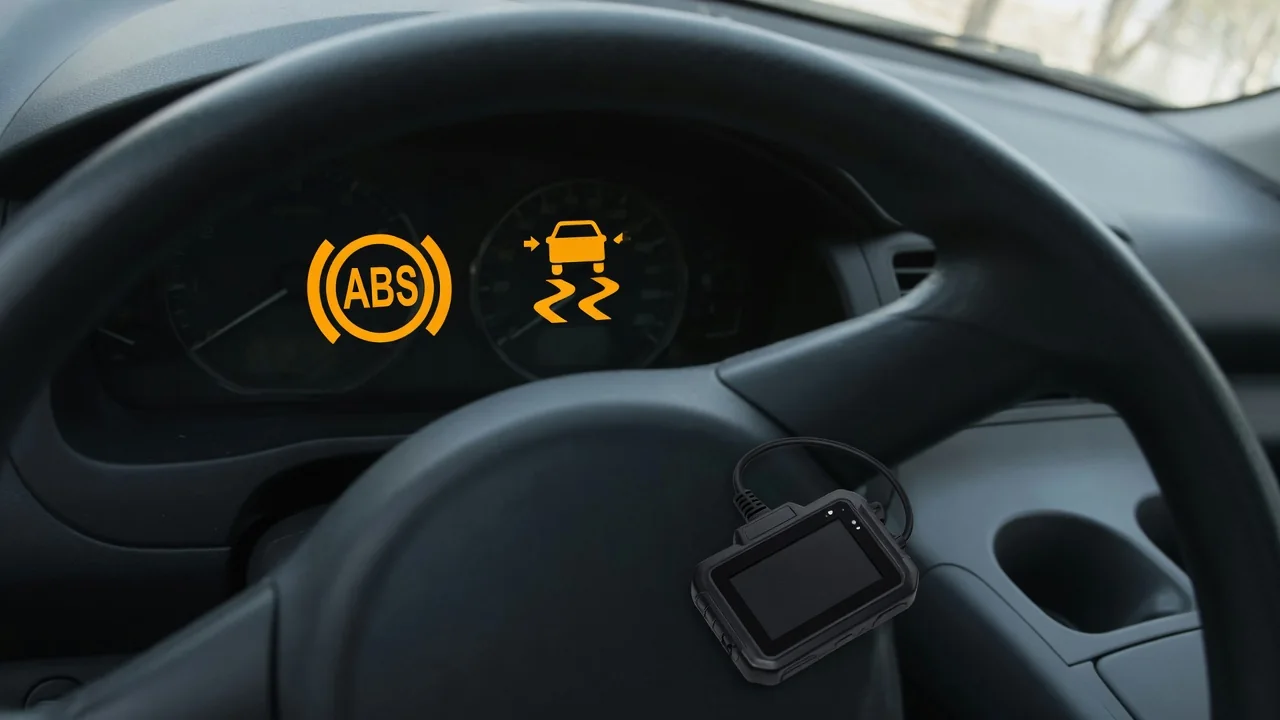
A C0246 code can set when the chassis control system detects an unexpected condition in a component, circuit, or signal. Because C-prefix DTCs are manufacturer-specific, the meaning behind C0246 varies by vehicle, model year, and module. This variability means a generic definition may mislead diagnosis. Understanding what C0246 signals for your specific car is the first step before touching parts, clearing codes, or planning repairs. The following sections explain how to confirm the definition, why the code sets, typical symptoms, possible causes, safe checks, and what professional testing involves.
What the C0246 Code Means and Why the Definition Depends on Your Vehicle
Chassis codes beginning with the letter C relate to systems like ABS, traction control, or electronic stability control, rather than engine or transmission functions. For C0246, no single universal definition exists: one vehicle may tie it to a wheel speed sensor circuit, while another may associate it with the electronic brake control module or a hydraulic control valve. The specific subsystem, circuit, or signal that triggers C0246 is determined by the manufacturer's diagnostic strategy and the module that stores the code.
To confirm exactly what C0246 means for your vehicle, consult the factory service information or a scan tool that can read manufacturer-specific chassis codes. A qualified shop or dealer can also retrieve the correct definition using the vehicle identification and sometimes the module part number. Avoid buying sensors, harnesses, or control modules based solely on a generic online search result. The code number alone does not prove which part is faulty, and unnecessary swapping wastes time and money while potentially masking the real fault.
How and Why a C0246 Code Sets in the Chassis Control System
A chassis control module continuously monitors inputs and internal functions. When it sees a voltage, signal frequency, or system response outside a designed range for a certain number of ignition cycles or a set time, it stores a diagnostic code like C0246. The module may also disable a related function, such as traction control assistance or stability correction, until the condition clears. This protection strategy prevents the chassis systems from reacting to unreliable data.
Basic engine-only code readers often cannot communicate with chassis modules, so C0246 may remain hidden unless a more advanced scan tool is used. A current code indicates the fault condition is present during the last self-test, while a stored code means it occurred previously but is not active right now. Clearing a stored code without repairing the underlying issue will only postpone the warning; the module will likely reset the code after the monitoring conditions are met again. Freeze-frame or status data captured when the code set can reveal vehicle speed, system voltage, or whether the fault occurred during a self-test.
Symptoms and Warning Lights That May Appear With C0246
Dashboard warnings linked to a C0246 code can include an ABS light, traction control light, or stability control indicator, depending on the system involved. Some vehicles may also show a brake warning light or a generic 'service stability system' message, but these illuminate based on the module's programming. Since the warnings are only consequences of a stored code, you should not rely on the number of lights or their color to identify the faulty part.
When these systems are disabled, normal base braking usually remains, but the driver should not assume full electronic assist is available. Some vehicles will experience no noticeable change in braking or handling, while others may have reduced ABS operation on slippery surfaces or altered stability intervention. Note when the warnings appear: at startup, after driving a short distance, over bumps, at highway speed, or in wet weather. This pattern helps a technician decide which inputs and circuits to test first.
Possible Causes to Consider After Confirming the Definition
After the vehicle-specific definition is confirmed, possible causes for C0246 fall into several categories. A sensor or signal fault might involve a wheel speed sensor, steering angle sensor, or yaw/lateral acceleration input. Wiring and connector problems near the wheels, suspension, or underbody are frequent suspects because they face heat, moisture, stone damage, and flexing. Finally, an internal control module issue or a related mechanical condition, such as excessive wheel bearing play affecting the sensor air gap, can create the same code.
Corroded or loose connectors can raise resistance or open the circuit intermittently, while chafed wiring can short to ground or to another conductor. Low system voltage from a weak battery or failing charging system can also cause chassis modules to log spurious codes because reference voltages drop below thresholds. No single cause is inherently the most common across all vehicles; the actual culprit must be confirmed with circuit tests and live data. Avoid assuming a sensor is bad simply because the code points to its circuit.
Safe Checks a Driver Can Do Before Visiting a Shop
Before visiting a shop, you can record all stored codes from every module, not just the chassis system. Note whether C0246 returns as current or stays as stored, and write down any freeze-frame information available. Without lifting the vehicle, you can visually inspect wiring and connectors near the brake calipers, suspension arms, and underbody splash shields for obvious damage, corrosion, or disconnection. Also check battery terminal tightness and note how dashboard warnings behave during starting and driving.
Clearing the code and driving to see whether it comes back can provide useful timing information, but this does not fix the problem and may temporarily disable safety functions. Do not lift the vehicle without proper jack stands and training. Do not disconnect brake lines, remove calipers, or probe connectors with sharp tools. Brake hydraulic parts are under pressure and require special procedures for bleeding. If you are unsure about safe access, leave the visual check to a professional who can raise the vehicle securely.
Repair Options and When Professional Testing Is Needed
The correct repair for a C0246 code follows the confirmed definition and the test results. For example, an intermittent wheel speed signal might require repairing a connector or replacing a damaged section of harness, while a stable open circuit in a sensor might indicate a failed sensor. A control module internal failure should only be diagnosed after all external circuits and power supplies meet specifications. Always clear the code after the repair and operate the vehicle through the conditions that set it to confirm the warning stays off.
Professional diagnosis typically includes reviewing live data from relevant chassis sensors, performing resistance and voltage checks on circuits per the service manual, and consulting technical service bulletins for known issues. Seek professional help immediately if the brake pedal feels soft or hard, the brake warning light comes on, or the vehicle pulls, shudders, or behaves unpredictably during braking or stability events. Continuing to drive with a compromised stability or traction system can reduce safety margins in emergency maneuvers, especially on low-friction surfaces.