C0240 and C0241 Codes: Meaning, Symptoms, Causes and Repair Options
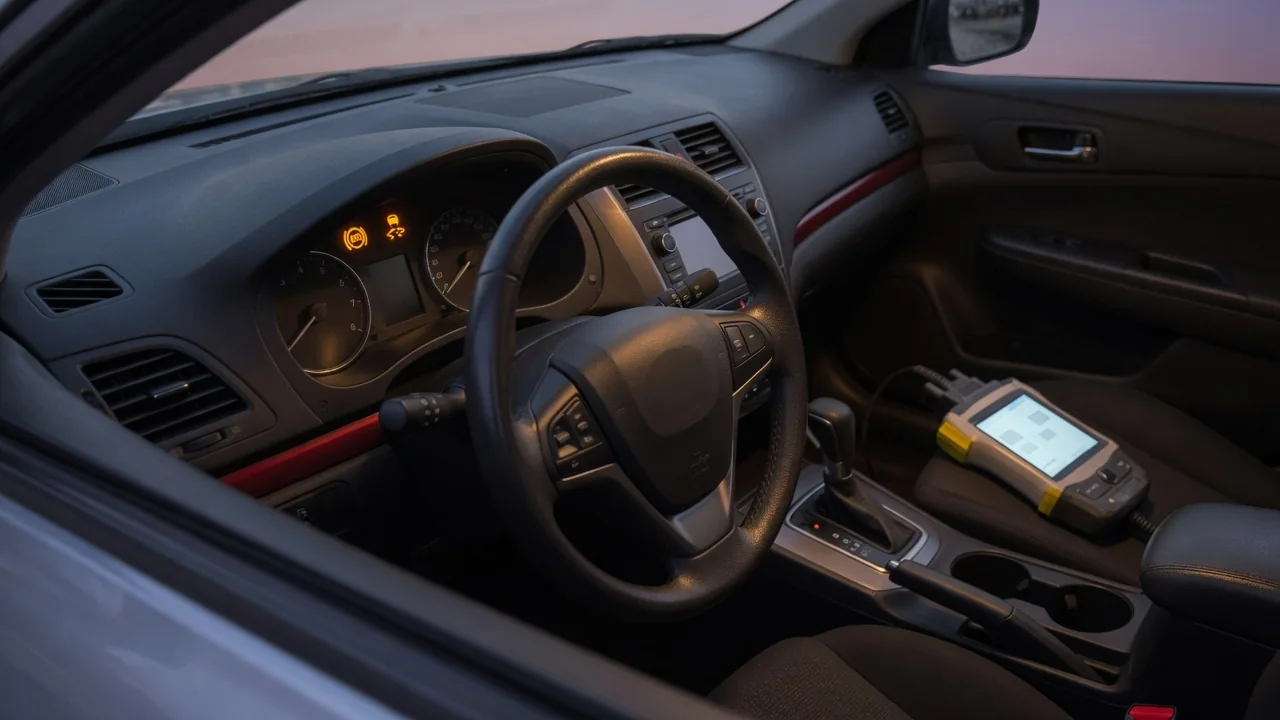
When an ABS warning light, traction control light, or stability control message illuminates, chassis codes such as C0240 and C0241 may be stored. These alphanumeric identifiers belong to the C-code family read through the electronic brake control module, but their exact meaning is not standardized across all vehicles. A scan tool with ABS support can retrieve the code, yet the description often depends on the manufacturer, model, and module. Understanding the possible interpretations, symptoms, and diagnostic steps helps you address the underlying fault without replacing parts unnecessarily.
What the C0240 Code Means and Why You Must Confirm It for Your Vehicle
Chassis codes, designated by the letter C, are typically associated with brake, traction control, stability control, or suspension systems. Unlike generic powertrain codes, they are manufacturer-specific and require a scan tool that can communicate with the ABS or chassis modules. A generic OBD-II reader may not retrieve them. When C0240 is stored, the code's text definition must come from the vehicle's own diagnostic data, because the same number can point to different faults in different vehicles.
C0240 often relates to traction control system communication with the engine control module, but this is only one possibility. The code could also reference a brake module circuit issue, a torque request signal problem, or a stability control malfunction. Its status matters: a current code indicates an active fault, while a history code suggests an intermittent issue. Freeze frame data, which captures operating conditions when the code set, provides valuable clues. Always confirm the exact description for your specific vehicle before acting.
What the C0241 Code Means and How It Differs From C0240
C0241 is likewise a manufacturer-dependent chassis code. On some vehicles, it may be described as a brake control module circuit fault; on others, it could indicate an invalid data signal from the engine computer. Without the factory description, diagnosis is guesswork. The key is to treat C0240 and C0241 as a related pair when they appear together. They often share a common cause, such as a communication breakdown between the traction control system and the powertrain control module, rather than two separate component failures.
Because chassis codes can be triggered by faults reported by other modules, it is essential to record every stored code in all systems. An engine misfire, transmission sensor problem, or even a body control module issue can set a chassis code as a secondary reaction. Relying on a generic online code list that assigns one definition to C0241 for all makes is dangerous. The correct interpretation requires the specific vehicle's service information, which a professional-level scan tool or dealer database can provide.
Symptoms Drivers Commonly Notice With These Codes
The most common symptoms accompanying C0240 or C0241 are illuminated warning lights. Drivers may see the ABS light, traction control light, stability control indicator, or a service vehicle message. In some cases, the check engine light also comes on if the fault affects engine communication. These lights may appear together or individually, and the pattern can hint at the underlying system. A warning light that stays on indicates a persistent fault, while a light that flickers or appears only intermittently suggests a loose connection or intermittent sensor signal.
When traction or stability control shuts off, the vehicle still has conventional brakes, but electronic assistance is lost. This means the system cannot intervene to prevent wheel slip or skidding. On wet, icy, or gravel roads, this increases the risk of loss of control during hard braking or sudden maneuvers. Some vehicles also exhibit reduced engine power or limited throttle response because the brake module and engine computer disagree on torque management. However, many vehicles show no symptom beyond the stored code, so a scan is the only way to detect the issue.
Possible Causes Behind C0240 and C0241
The causes behind C0240 and C0241 span several categories. One common category is a fault in the engine or powertrain system that is reported to the brake control module. For example, a throttle position sensor problem or a misfire can alter the torque signal sent to the traction control system. Another category is wheel speed sensor issues, since these sensors provide critical data for ABS and stability functions. A damaged tone ring, misaligned sensor, or debris on the sensor can produce an erratic signal that triggers a chassis code.
Electrical problems are also likely candidates. Low battery voltage, a weak charging system, or poor ground connections can cause modules to set spurious codes. Corrosion at connectors, water intrusion, or damaged wiring harnesses near the wheels or in the engine bay can create intermittent faults. While an internal failure of the brake control module or traction control module is possible, it should only be considered after testing rules out external causes. No single cause is most common across all vehicles; the verified code meaning and targeted tests determine the actual fault.
Safe Checks You Can Do Before a Shop Visit
Before visiting a shop, you can perform some safe checks. First, use a scan tool that supports ABS and chassis codes to read all modules, not just the engine computer. Save the code list and any freeze frame data before clearing anything. This information helps a technician reproduce the conditions that set the code. Check the battery condition and charging voltage with a basic multimeter or a free parts store test. Loose or corroded battery terminals are simple culprits that can cause low voltage and communication faults.
A visual inspection of accessible wheel speed sensor wiring can reveal obvious damage, such as cracked insulation, chafing against suspension parts, or a disconnected plug. Do not remove brake components or raise the vehicle unless you have the proper equipment and experience. Clearing the code and observing whether it returns can indicate whether the fault is active or historical, but clearing does not fix the problem. Note any pending engine codes, recent battery replacement, or work near the wheels, as these are valuable clues for the technician.
When Professional Diagnosis Is Needed and What Repairs May Involve
Brake and stability systems are safety-critical, so deeper diagnosis requires a qualified technician with the right tools. Professional diagnosis typically begins with confirming the factory definition of the code, then reviewing live data from the ABS and engine modules to see which signal is out of range. Circuit testing may involve checking power, ground, and communication lines at the brake control module. The technician may also look for technical service bulletins that describe known software issues for your particular model and year.
Repairs can range from fixing an underlying powertrain fault, such as a bad sensor or vacuum leak, to repairing damaged wiring or connectors. A failed wheel speed sensor or tone ring may need replacement. In some cases, the brake control module requires reprogramming with updated software, or replacement if internal diagnostics prove it faulty. Never approve an expensive module or sensor replacement based solely on the code. Ask the shop to show you the test results that confirmed the failure before authorizing work.
Is It Safe to Drive With C0240 or C0241 Stored?
In many situations, a vehicle can be driven with C0240 or C0241 stored, but you must understand the risks. The vehicle may handle normally, yet the ABS, traction control, or stability control could be reduced or disabled. These systems provide an extra layer of safety during emergency braking or slippery conditions. Without them, stopping distances may increase, and the vehicle may be more prone to skidding. Therefore, adjust your driving accordingly until the fault is repaired.
If the red brake warning light is on, the brake pedal feels spongy or hard, or braking performance changes, stop driving immediately and have the vehicle towed to a repair facility. Even if only the amber ABS or traction light is illuminated, extra caution is needed. Maintain a greater following distance, reduce speed in wet or icy conditions, and avoid sudden steering or braking inputs. Do not ignore a warning light that keeps returning; the fault may worsen and leave you without electronic stability assistance when you need it most.