C0234 Through C0238 Chassis Codes: Meaning, Causes, and Fixes
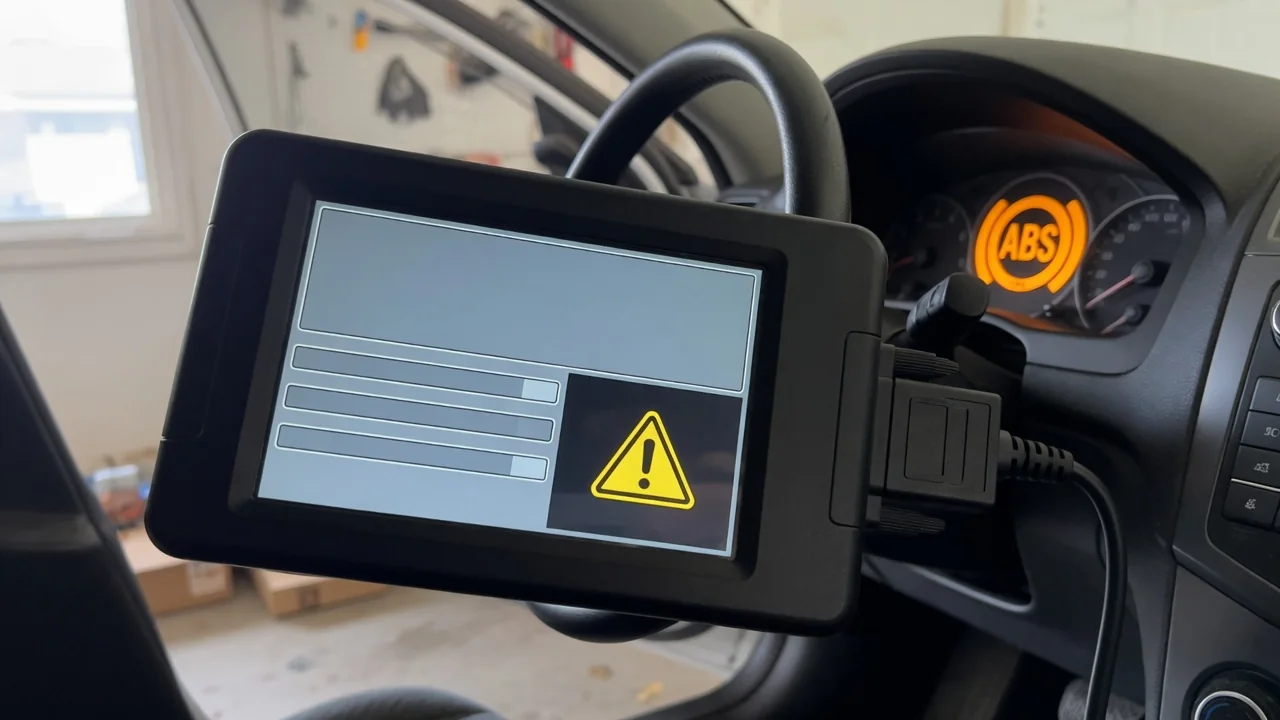
A C0234, C0235, C0236, C0237, or C0238 code can light up your ABS warning light, traction control light, or stability control system indicator at the same time. Some drivers search for “c0237” while seeing only one of these chassis diagnostic trouble codes; others see several together after a bump, a brake job, or a sudden sensor glitch. This article explains why these five C-prefix chassis codes cannot be decoded from the number alone, how a wheel speed sensor, sensor signal circuit, or module fault can produce them, and what safe diagnosis looks like before you clear codes or replace components.
Why C0234–C0238 Meanings Depend on Your Vehicle's Manufacturer
These codes all start with C because they are chassis diagnostic trouble codes, and the electronic brake control module often stores them when it loses confidence in a wheel speed sensor, steering angle input, or another stability control system signal. However, the numeric range C0234 through C0238 is not governed by a single SAE or ISO standard across all cars and light trucks. Each vehicle manufacturer assigns its own definitions, and the same number can point to completely different circuits on a domestic SUV versus an imported sedan.
A generic code reader may show “chassis code” or a vague phrase such as “wheel speed sensor signal” that does not match the actual fault. Before you act, record the full code including any suffix, the control module that reported it, and freeze frame data showing engine speed, vehicle speed, and brake switch status at the moment the code set. A manufacturer-level scan tool or factory service information is required to get the true description for your make, model, and year. Treat the five codes as a group until proven otherwise.
C0234 and C0235 Codes: Confirming the Definition Before Diagnosing
On many platforms, C0234 and C0235 are adjacent codes that reference related inputs such as a lateral accelerometer, yaw rate sensor, or a specific wheel speed sensor signal circuit. Because their definitions are manufacturer-specific, you cannot assume what the module flagged. Pull the verified description from service information first. It should tell you whether the code indicates an open circuit, a short to power or ground, an out-of-range value, or a signal that is implausible compared with the other three wheel speed inputs.
Circuit-type faults usually mean the wiring harness and connector or the sensor itself has an electrical problem that a multimeter can confirm with the key on and the component disconnected. Signal plausibility faults mean the module received a valid-looking but logically impossible signal, such as one wheel reading 60 mph while the others read 20 mph during straight-line driving. Note whether the codes are current or stored from an earlier event, and do not clear them until you have captured the freeze frame data and noted when the ABS, traction control, or stability control indicators came on.
C0236 Code: Reading the Fault in Context
C0236 often relates to a chassis sensor signal on some vehicles, but the exact meaning must come from your vehicle’s service information. The conditions under which the code set provide diagnostic gold. If the code appeared after hitting a pothole or mounting a curb, look for torn sensor wires or a cracked tone ring near the wheel. If it set during wet or icy driving, contamination on a magnetic encoder may be involved. If it set immediately after a brake or wheel bearing replacement, the sensor air gap or a damaged connector is more likely.
Potential causes for these chassis signal codes fall into a few general categories. The wheel speed sensor or its sensor signal circuit may have an intermittent open or short. The wiring harness and connector near the suspension can rub, wick water, or pull apart. The reluctor or tone ring can rust, crack, or become clogged with metallic debris. A wheel bearing with excessive play can vary the sensor air gap. When two or more C02xx codes are stored, diagnose the shared power, ground, or communication circuit first rather than chasing one wheel at a time.
C0237 Code: What It Can Indicate and What to Check First
C0237 is the code people look up most often, but its meaning still depends on the vehicle that stored it. Begin with non-invasive observations. Check whether the ABS warning light, traction control light, or stability control light is steady or flickers at certain speeds or steering angles. An intermittent fault may not set a hard code until the module sees the same failure on consecutive drive cycles. With the vehicle parked, key off, and wheels chocked, visually inspect the accessible wiring near each wheel for cuts, melted insulation, stretched harness sections, or corroded connectors.
During a professional road test with a scan tool live data stream, a technician can graph the four wheel speed sensors while braking lightly, accelerating, and turning. A sensor signal circuit that drops out at 40 mph or only when the suspension articulates will show a flat line or speed mismatch. Do not clear the C0237 code repeatedly or replace a wheel speed sensor based on the code number alone. The fault may be in the tone ring, a corroded connector, or the electronic brake control module itself. Clearing codes erases the freeze frame data that points to the real cause.
C0238 Code: Signal Mismatch and Related Fault Patterns
C0238 may describe a signal comparison or plausibility fault on some platforms. That means the module compared one wheel speed sensor signal with another, or with the vehicle speed and yaw rate, and decided the expected relationship was violated. Mismatched tire sizes can cause exactly this behavior even when every electrical part is healthy. A new tire on one axle, an undersized spare, or tires with significantly different tread depth change the rolling circumference enough to create a permanent speed signal mismatch during straight driving.
C0238 frequently appears alongside C0234 through C0237 because many chassis modules store a separate code for each detected symptom of the same underlying problem. If C0235 says “right front wheel speed sensor circuit” and C0238 says “right front wheel speed signal not plausible,” check that corner’s tone ring and air gap before condemning the sensor. Confirm whether your C0238 definition mentions a circuit fault, a signal comparison, or an internal module calculation. A circuit fault points to wiring and power, while a signal comparison fault points to mechanical or calibration issues.
Symptoms and Driving Safety When These Chassis Codes Are Stored
When any of these codes are active, the ABS warning light, traction control light, and stability control indicator may illuminate together. On many vehicles, the electronic brake control module disables antilock braking, traction control, and stability assist for the remainder of the drive cycle, or until the code clears. The driver may notice the brake pedal feels normal under gentle stops, but wheels can lock during hard braking because the ABS function is no longer intervening. Traction control may allow wheelspin on wet or icy surfaces, and stability control may not correct a slide.
Your base hydraulic braking system usually continues to work, but drive with extra following distance and avoid hard braking or sudden maneuvers until the fault is found. If the red brake warning light comes on with the amber ABS light, or if the pedal feels spongy, low, or pulses without reason, stop in a safe place and have the vehicle towed. Symptoms such as a traction control light that comes on only during highway curves suggest a plausibility fault, but symptoms alone cannot distinguish a bad sensor, a broken wire, or a mismatched tire set.
Repair Paths and When Professional Testing Is Needed
A logical repair path starts with confirming the code definition for your vehicle and saving the freeze frame data. Next, inspect the accessible wheel speed sensor wires, connectors, and tone rings for damage or corrosion. Then use a scan tool to graph live wheel speed sensor data during a straight, steady drive and during gentle turns. If a signal drops out or mismatches, follow the manufacturer’s pinpoint tests for that circuit: resistance checks, voltage checks, and sensor output tests. A chassis diagnostic trouble code is a symptom, not a verdict that a particular part has failed.
Circuit testing and module diagnosis require proper tools and service information, and brake-system work should be handled by a qualified technician. When you visit a shop, bring a written list of every stored code, when the ABS or traction control light first appeared, and any recent tire, brake, suspension, or wheel bearing work. After the repair, the technician should clear the codes, perform a verification drive that reproduces the original conditions, and recheck for stored codes. A code that stays gone across several drive cycles indicates the root cause was addressed, not just the warning light reset.