C0228 to C0232 Codes: ABS and Wheel Speed Sensor Fault Guide
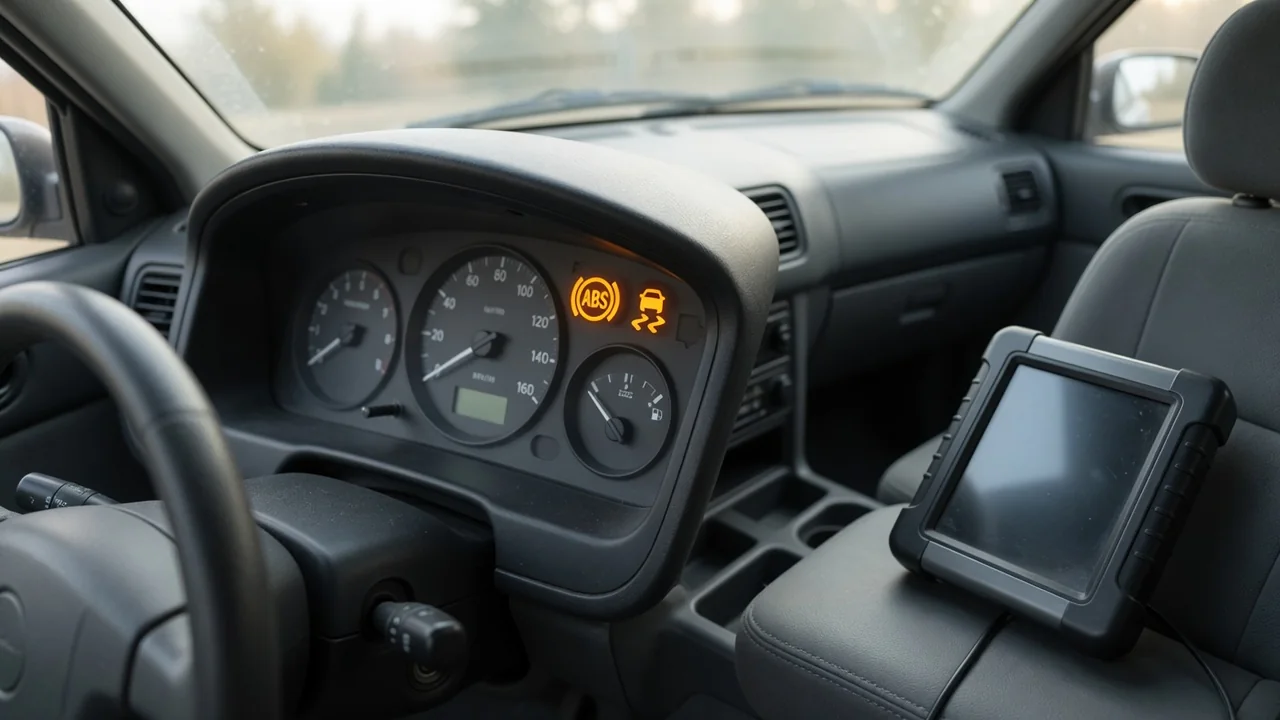
When a scan tool reports C0228 through C0232, you are looking at chassis trouble codes that can involve the ABS, traction control, or stability control systems. Among these, C0231 often points toward a wheel speed sensor circuit or signal fault, but meanings vary by manufacturer. Understanding what your vehicle’s control module is actually flagging—and which corner or circuit is involved—is essential before attempting any repair, because these codes are not universal across makes and models.
How the C0228–C0232 Chassis Code Range Works and Why Meanings Vary by Manufacturer
Chassis codes beginning with C0 are assigned to systems like anti-lock braking, traction control, and electronic stability control. Unlike generic powertrain codes, many C0 codes are defined by each manufacturer rather than following a standardized list. This means C0228 through C0232 do not have one universal meaning. On some vehicles they relate to wheel speed sensor circuits or signals, while on others they may point to different chassis functions entirely, so a code number alone cannot tell you what is wrong.
C0228 is a clear example of why guessing from a generic code list is risky. Depending on the vehicle, it might indicate a wheel speed sensor issue, an ABS control module internal fault, or another chassis-related problem. The only reliable approach is to confirm the exact definition for your make, model, and year using a scan tool that reads manufacturer-specific codes or official service information. Without that verification, replacing parts based on a code number can send you down the wrong diagnostic path.
C0229 and C0230: Checking the Vehicle-Specific Definition First
When you retrieve C0229 or C0230, write down exactly what the scan tool displays. The full code description, any status letters or sub-codes, and whether the code is current or stored all matter, because the same number can mean different things on different vehicles. The tool might call out a wheel speed sensor circuit, a stability control sensor, or something else entirely. Noting the complete definition helps you research the right system instead of chasing a generic wheel speed problem.
If several codes in this range appear together, that can suggest a shared cause such as a wiring harness issue, a poor power or ground connection, or a module communication problem. However, that is only one possibility, not a rule. Always confirm which wheel or circuit each code refers to on your specific vehicle before suspecting a common fault. Replacing a sensor based only on the code number—without checking the manufacturer definition—could focus on the wrong corner or wrong electrical path.
What the C0231 Code Can Mean and What to Confirm Before Acting
C0231 is commonly associated with a wheel speed sensor circuit or signal fault on some vehicles, but the exact meaning—and especially which wheel position is involved—must be verified for your specific application. Note whether the fault is intermittent and when the warning first appeared, such as after driving over bumps or during wet weather. These details narrow down whether you are dealing with a wiring problem, a sensor signal that drops out, or a mechanical issue affecting the tone ring.
There is an important difference between a circuit fault and a signal fault. A circuit fault usually means an electrical open, short, or range problem in the sensor wiring or sensor itself. A signal fault suggests the control module receives a speed reading that is erratic or missing while the circuit tests fine. Understanding this distinction helps you interpret the code. Also remember that clearing a C0231 code does not confirm a repair; if the underlying cause remains, the code will return after the module runs its self-test again.
C0232 Code: Reading It in Context With Other Chassis Codes
C0232 must be interpreted using the manufacturer’s definition because it may refer to a different wheel, a different circuit, or even a different chassis function than neighboring codes. For example, on some vehicles C0231 could indicate the right front wheel speed sensor circuit while C0232 points to the left front, but on other vehicles those numbers are assigned differently. Reviewing C0232 in context with all other stored codes—including any network or voltage-related codes—gives a clearer picture than focusing on a single code in isolation.
Low battery voltage or charging system problems can sometimes trigger multiple chassis codes at once because modules may not receive stable power or ground references. Before condemning a wheel speed sensor, rule out a weak battery or failing alternator with proper testing. If your scan tool provides freeze-frame data, record the vehicle speed and operating conditions at the moment the code was set. That snapshot can reveal whether the fault occurred only at a certain speed or during a specific maneuver.
Symptoms Drivers May Notice With ABS and Wheel Speed Sensor Related Codes
Drivers may notice one or more warning lights when these codes are present. The ABS light, traction control light, and stability control indicator are commonly reported, and some vehicles also illuminate a general brake system warning. Not every vehicle shows all of these, and the combination depends on how the manufacturer links the systems. While a fault is active, ABS, traction control, and stability functions may be reduced or completely disabled, even though normal hydraulic braking still feels unchanged during everyday driving.
Some vehicles may exhibit related effects such as an erratic speedometer reading or unusual ABS activation at low speeds, like a buzzing or pulsing pedal when coming to a gentle stop. These behaviors are possibilities rather than certainties. More importantly, any change in brake pedal feel, pulling to one side, unusual noises, or reduced stopping ability requires prompt professional inspection, and the vehicle should not be driven if braking seems compromised. Safety always comes before clearing codes and continuing to drive.
Safe Observations You Can Make and the Limits of a Code Reader
Before taking the vehicle to a shop, you can perform safe, non-invasive observations without lifting the car or unplugging anything. Note which warning lights are on and when they appear, such as only after driving for a while or only in wet conditions. Think about any recent tire, brake, or suspension work, because a disturbed sensor wire or damaged tone ring can set these codes. With the vehicle parked safely and the engine off, you can visually inspect wiring near the wheels for obvious damage, but do not reach into moving or hot areas.
A basic generic OBD-II reader may not read C-codes at all, or it may show only a generic description that does not match your vehicle’s actual definition. Manufacturer-level scan tools provide accurate code descriptions, live data, and sometimes bi-directional tests. Remember that a fault code identifies where the control module saw a problem—a missing or implausible signal—not necessarily which part has failed. The sensor, wiring, connector, tone ring, or even the module itself could be responsible, so avoid guessing and seek qualified help for anything beyond visual checks.
When Professional ABS Diagnosis Is Needed and What to Expect
Confirming these codes typically requires live wheel speed data, circuit testing, and following the manufacturer’s diagnostic procedure. A qualified technician can observe whether all four wheel speed sensors report matching speeds while driving, check wiring continuity and resistance, and inspect tone rings for damage or debris. Because the exact test steps vary by vehicle, bringing the car to a shop with the right scan tool and service information is the most efficient path to a correct diagnosis.
When you visit a shop, bring the full code list, the definitions your scan tool displayed, when the warnings appear, and any recent repairs. The possible causes vary widely and can include wheel speed sensors, wiring, connectors, tone rings, wheel bearings, or the ABS control module—none of which should be assumed without testing. Check with a dealer for any manufacturer service information or technical bulletins rather than assuming a known fix. Avoid relying on generic repair cost estimates; the real cause must be found first.