C0225, C0226 and C0227 Codes: Meaning, Symptoms and Safe Diagnosis
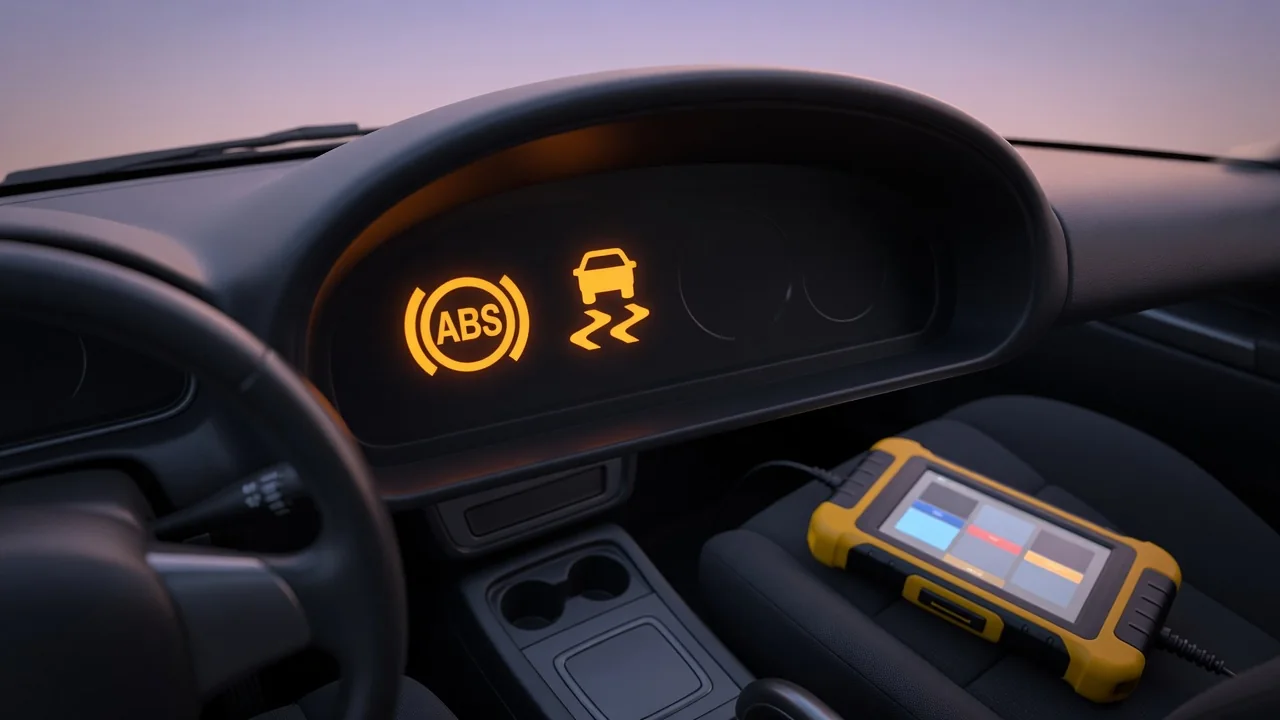
When the ABS warning light or traction control light appears on a GM, Chevrolet, or other vehicle, the stored chassis codes may include C0225, C0226, or C0227. These codes are often related to wheel speed sensor circuits, but their exact meaning can vary by manufacturer. Drivers may notice stability control disabled or erratic speedometer readings. Understanding the code family, reading the code correctly, and knowing safe next steps can prevent unnecessary parts replacement and help restore proper brake system operation.
What the C0225 to C0227 Code Family Is and Why Its Meaning Varies by Make
The C0225 to C0227 code family belongs to the chassis code category, which includes fault data stored by modules controlling ABS, traction control, and stability control. These three codes are grouped because their numbers are consecutive, but they do not share a single universal definition. On some vehicles, they refer to wheel speed sensor signals or circuits; on others, the descriptions may point to entirely different components. The module that sets the code plays a key role in what it means.
Because these are manufacturer-specific codes, a C0225 on one make could indicate a left front wheel speed sensor circuit issue, while on another brand it might relate to a different input. Checking the full description shown by a scan tool or the factory service information is essential before interpreting the code. Generic code lists found online or in forums may apply to a different manufacturer and lead to incorrect conclusions. Confirming the vehicle-specific meaning prevents guessing and wasted repairs.
C0226 Code: Reading It Correctly on Your Vehicle
When the C0226 code is present, the scan tool's description for the specific vehicle should be read carefully. Record whether the code is current or history, and note any freeze frame data that captured vehicle speed, brake status, or other conditions when the fault set. Other stored codes often accompany C0226, and the complete set matters. The timing of the ABS warning light or traction control light coming on provides additional clues about the fault conditions.
C0226 can appear alongside neighboring codes such as C0225 or C0227 because they may reference different wheels or circuits. A single code alone cannot identify whether the problem is a sensor, wiring, connector, tone ring, or ABS module. The code is only a starting point that shows the module detected an abnormal signal or circuit condition. Pinpointing the defective component requires testing based on the manufacturer's definition and diagnostic procedure.
C0225 Code: Confirming the Definition Before Troubleshooting
Before troubleshooting C0225, the exact definition for the vehicle and the module that stored it must be confirmed. The full description may identify a specific wheel position, a circuit condition like open or short, or a signal quality problem such as erratic or missing. Wording such as 'circuit range/performance' indicates a different testing path than 'circuit open' or 'signal invalid'. The description directs which wires, sensor, or connectors need inspection.
After clearing the code, note whether C0225 returns immediately or only under certain driving conditions. An immediate return often points to a hard fault such as a broken wire or failed sensor, while an intermittent code that appears after driving may be caused by connector corrosion or a damaged tone ring that produces errors only at certain speeds. This behavior is valuable information for a technician and should be shared during diagnosis.
C0227 Code: What It May Indicate and the Limits of Inference
C0227 is also manufacturer-dependent, so its meaning must be verified in service information or with a scan tool that shows the complete description. On some vehicles, C0227 may appear together with C0225 or C0226, suggesting a shared cause such as a common wiring harness, connector, or module input. However, this grouping is not universal, and each code must still be interpreted for the specific vehicle. Assuming a common cause without evidence can misdirect repairs.
Clearing C0227 without identifying the root cause usually results in the code returning and leaves the ABS or stability control disabled. If the vehicle definition relates to wheel speed, a technician can compare live data from all four sensors while driving to see which wheel signal drops out or becomes erratic. This comparison helps isolate the issue to a sensor, tone ring, wiring, or bearing. Safely performing this test requires knowledge of the system and proper equipment.
Symptoms Drivers May Notice With These Chassis Codes
When these chassis codes are active, drivers may see the ABS warning light, traction control light, stability control light, or brake system indicator. Since the exact combination varies by vehicle, any illuminated warning related to braking or stability deserves attention. The systems that reduce wheel lockup or loss of traction may be disabled while the fault is present. Normal base braking usually continues to function, but emergency stopping behavior can change, increasing stopping distances on slippery roads.
Some drivers report additional symptoms depending on the system affected, such as speedometer irregularities, unexpected ABS activation at low speeds, or driver-assist features switching off. These signs are not universal but can accompany the codes. Until the problem is diagnosed, driving cautiously and allowing extra stopping distance is wise, especially in wet, icy, or low-traction conditions. If the brake pedal feels different, the red brake warning light is on, or braking feels abnormal, stop driving and have the vehicle towed to a shop.
Possible Causes and Safe Checks Owners Can Do
When the code definitions relate to wheel speed sensor signals, possible causes include damaged sensor wiring, corroded or loose connectors, a faulty sensor, debris or damage at the tone ring, wheel bearing problems, or module and power supply issues. Owners can safely look for obviously damaged, chafed, or disconnected wiring near the wheels while the vehicle is parked on level ground. Recent suspension, hub, brake, or tire work is relevant because those areas are often disturbed and may affect sensor or wiring.
No attempt should be made to lift the vehicle, remove wheels, disconnect ABS components, or replace parts based only on the code number. Replacing a sensor without confirming the real fault can waste money if the actual problem is a broken wire or corroded connector. Sharing information about recent repairs or impacts with a technician can speed up diagnosis. The goal is to identify the true cause through testing, not parts swapping.
When Professional ABS Diagnosis Is Needed
Accurate diagnosis typically requires a scan tool that can communicate with chassis modules, display live data from sensors, and run system tests according to the manufacturer's procedure. A technician may compare live wheel speed readings under various conditions, test circuit resistance and voltage against specifications, and inspect sensor mounting and tone ring condition. These checks pinpoint whether the problem is electrical, mechanical, or related to the module itself.
It is best to seek professional help when codes return after clearing, multiple chassis codes are stored, warning lights stay on, or braking feel has changed. When talking to a shop, ask which definition applies to the vehicle, what testing confirmed the cause, and whether a road test verified the repair. Getting a clear explanation of the diagnosis and the parts replaced helps ensure the problem is truly resolved and not just temporarily cleared.