C0210 and C0215 Codes: Wheel Speed Circuit Fault Diagnosis
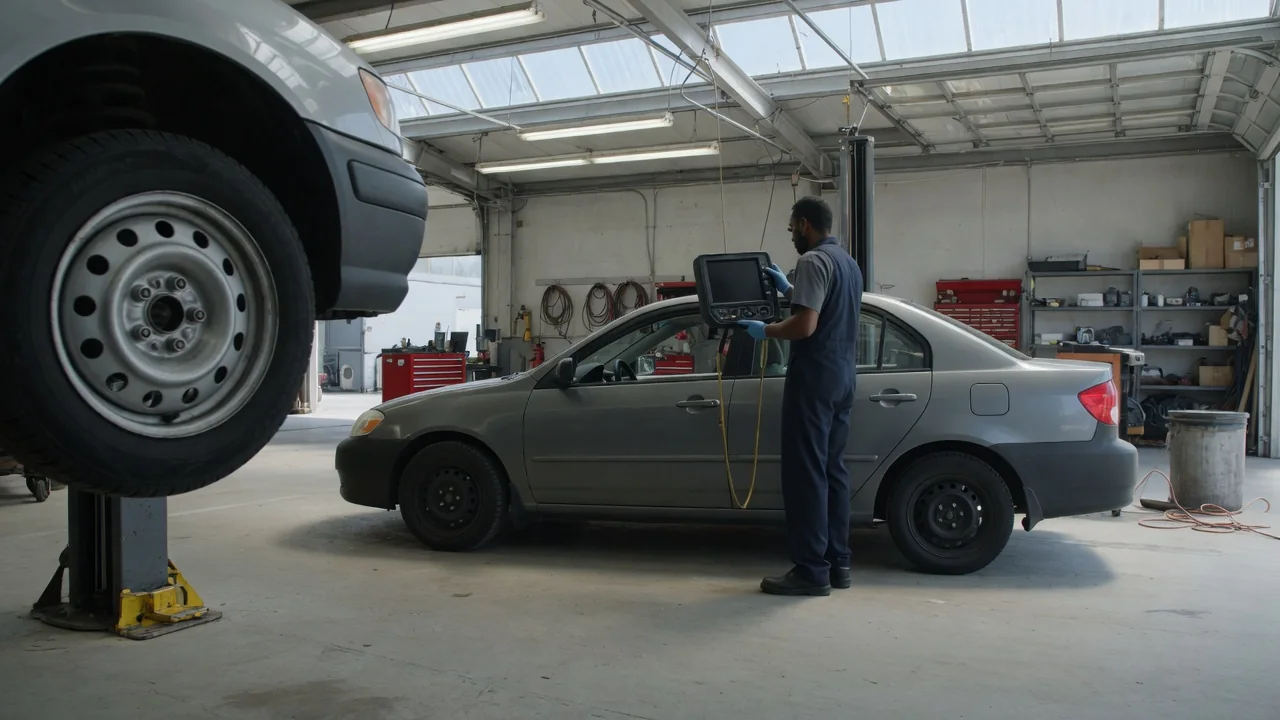
When a chassis diagnostic trouble code such as C0210 appears, it means a control module has logged an unexpected reading from a wheel speed circuit, but the code does not name the exact failed part. Drivers often notice an ABS warning light or a stability-control message, yet the vehicle may still drive normally. Understanding what the code indicates—and what it cannot prove—is the first step toward an accurate repair. The same reasoning applies to the closely related C0215 code, which may point to a different wheel corner or sensor channel depending on the vehicle.
Verify What C0210 and C0215 Mean for Your Vehicle
C0210 and C0215 belong to the chassis family of diagnostic trouble codes, and their definitions vary by vehicle manufacturer, model year, and the module that stored them. On many applications, these codes relate to wheel speed sensor circuits, but the exact circuit designation—such as left front, right rear, or a specific sensor input—requires confirmation in vehicle-specific service information. A code suffix can further refine the fault type, such as a range/performance issue, an open circuit, or an intermittent signal. Without this verification, assuming that C0210 always refers to a particular wheel is a common diagnostic mistake.
A wheel speed sensor circuit monitors the alternating voltage or digital signal produced when a toothed tone ring or magnetic encoder rotates past the sensor. The anti-lock brake module uses this information to detect wheel lockup, and it may share the data with traction and stability systems. A stored code indicates that the module saw a signal outside its expected range, but that observation alone is not proof that the sensor has failed. Corroded terminals, damaged wiring, or an air-gap problem can create the same electrical condition. Record the complete scan-tool wording and note whether the code is current, pending, or history, because that status affects the diagnostic path.
Warning Lights and Symptoms That May Accompany These Codes
An active C0210 or C0215 fault commonly illuminates the ABS warning light, and the traction control or stability control warning may follow. These systems depend on accurate wheel speed information to judge whether a wheel is slipping or losing grip. When one signal is missing or implausible, the module often disables the affected functions for safety, leaving only standard hydraulic braking. The brake pedal may still feel firm and the vehicle may stop normally, which leads some drivers to postpone diagnosis. That delay risks losing the extra protection these electronic aids provide in low-traction conditions.
The warning behavior can be intermittent: a light that appears on a cold morning, vanishes after restart, and returns days later still points to the same circuit fault. Even when no warning is currently lit, a stored code deserves attention because the system may have already deactivated. Certain symptoms require a more immediate response. A red brake warning, a pedal that feels low or abnormally hard, noticeable loss of braking force, or unexpected braking behavior such as momentary lockup or pull should prompt the driver to stop safely and arrange professional assistance rather than continue driving.
Fault Sources Within the Identified Wheel Speed Circuit
Within the identified wheel speed circuit, several physical conditions can produce the fault the module recorded. The sensor wiring harness may be chafed against a sharp bracket, stretched after suspension work, or exposed to heat from a nearby exhaust component. The electrical connector can collect moisture, corrosion, or dirt, increasing resistance or creating a partial short. The sensor itself may develop an internal open winding or a cracked housing, but so can damaged insulation on the pigtail leads. Each of these possibilities disrupts the small voltage or current signal in a similar way, so the code cannot isolate the cause.
On vehicles where the sensor reads a toothed tone ring or magnetic encoder, damage to that rotating component can also generate a wheel speed signal fault. A cracked tone ring, a chipped tooth, or rust buildup that fills the gap between ring and sensor creates an erratic waveform. Recent wheel bearing or brake service may be relevant because a misrouted harness or a disturbed connector is a possibility, but the recent work should not be assumed to have caused the code. Diagnostic evidence from electrical tests and live data must support any conclusion about which component failed.
Safe Observations to Record Before a Service Visit
Before scheduling a service visit, record the conditions under which warning lights appear. Note whether the light comes on at startup, during turns, at highway speed, or only after driving over bumps. An intermittent pattern tied to road vibration or steering angle often points to a harness issue rather than a failed sensor. Also note whether the problem began shortly after wheel, brake, or hub work, because that timeline helps the technician focus inspection. Save the full code report, including any freeze-frame data, and do not clear the codes before the visit unless a professional asks you to do so for a specific reason.
Basic engine-code readers frequently cannot communicate with the ABS module, so a C0210 or C0215 may not appear on those devices at all. Even when the code is shown, the reader may lack live data or manufacturer-specific definitions. Owner checks should remain limited to visible damage that can be seen with the vehicle parked safely. Look for a loose or hanging wiring harness near the wheel, obvious cuts in the outer insulation, or a connector that has pulled apart. Do not lift the vehicle, reach behind moving parts, or disconnect any component; leave that inspection to a technician with proper equipment.
Professional Tests That Can Locate the Signal Fault
A professional diagnostic sequence begins with an ABS-capable scan tool that can read chassis codes, companion faults, and stored data. The technician reviews the exact code definition, current or history status, and any related codes from the engine or transmission that may share a sensor input. On some vehicles, a C0210 and C0215 appearing together may indicate a shared power supply or ground for multiple wheel speed sensors, but that conclusion depends on the verified wiring diagram. Assuming one common cause without checking the circuit layout can lead to replacing wrong parts.
Live wheel speed data is a powerful test: with the vehicle driven at low speed, each wheel should report a smooth, plausible speed that matches the others. A missing, erratic, or intermittent reading confirms the electrical fault but does not identify whether the sensor, wiring, or tone ring is responsible. The technician then inspects the harness and connector visually, checks resistance and continuity according to the service manual, and may use an oscilloscope to view the sensor waveform. These tests locate a broken wire, a corroded terminal, or a weak sensor signal before any component is condemned.
Repair Decisions and Confirmation After Diagnosis
Any repair—whether a wiring repair, connector cleaning, sensor replacement, or hub tone-ring service—must be tied to documented test findings, not just the presence of a code. A new sensor will not fix a chafed wire, and replacing the harness will not cure a cracked tone ring. Before authorizing parts, ask the technician to explain which test failed and how the proposed part addresses that specific result. Clearing the codes or disconnecting the battery may extinguish the warning light temporarily, but the module will store the fault again once the condition recurs.
Post-repair verification is essential. The technician should clear the codes, operate the vehicle according to the service procedure, and re-scan the ABS module to confirm no current or pending faults return. Live wheel speed data should show stable matching readings for all corners, and the warning lights should remain off through a test drive that exercises the same driving conditions that originally triggered the fault. Request a clear explanation of the verification results, so you know the circuit was not merely made quiet but actually restored to proper operation.