C0200–C0223 Codes: Verify ABS and Wheel Speed Fault Meanings
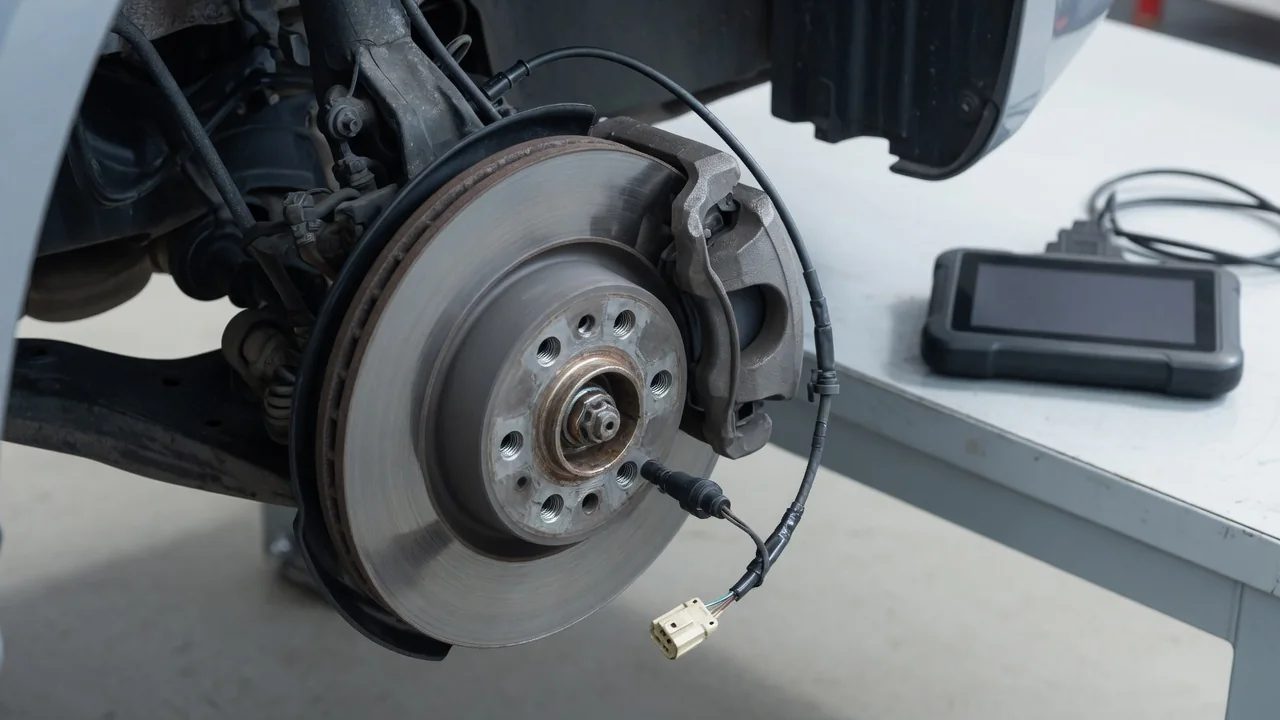
A C0200 code or nearby chassis fault can leave drivers guessing which wheel speed circuit is affected and whether the ABS or traction control system is at risk. Codes such as C0205, C0201, C0209, and C0220 through C0223 vary by manufacturer and vehicle platform, so the numeric sequence alone does not identify a wheel or prove a failed sensor. Interpreting the complete fault description and checking wheel speed signal data is essential before replacing any part.
Verify the Vehicle-Specific Meaning Before Identifying a Wheel
Chassis codes in the C0200 range are not standardized across all manufacturers. A C0200 code on one vehicle may point to a right front wheel speed sensor circuit, while another platform uses the same number for a different ABS component. The model year, ABS control module software, and regional market can change the definition. Always pull the full code text from a vehicle-specific service source or a professional scan tool before assuming which wheel or circuit is involved.
Additional digits or fault descriptors often refine the meaning. For instance, a suffix indicating an open circuit, short to ground, or implausible signal changes the diagnostic direction. The numeric progression from C0220 to C0223 does not automatically correspond to left front, right front, left rear, and right rear wheels. Manufacturer documentation must confirm the wheel location and whether the code even relates to a wheel speed signal. The title's range covers only the listed codes, not every intervening number.
C0200, C0201, C0205, and C0209: Confirm the Circuit and Wheel
C0200 often appears as a wheel speed sensor circuit malfunction on many platforms, but the affected wheel depends on the vehicle. One application may define C0200 as the right front wheel speed sensor circuit, while another uses it for the left rear. A C0205 code frequently describes a different wheel or circuit, such as a right front wheel speed sensor circuit open or performance problem. The ABS module's complete fault description—not just the code—must confirm which corner the code addresses.
C0201 and C0209 require extra caution. On some vehicles, C0201 may relate to a wheel speed sensor supply voltage or signal range issue, not a specific wheel circuit. C0209 could refer to an ABS pump motor circuit, brake fluid level, or another subsystem entirely, depending on the manufacturer. If the verified definition does not mention wheel speed sensing, do not force a sensor diagnosis. A circuit-related code identifies an area for electrical testing, not a failed sensor.
C0220, C0221, C0222, and C0223: Read the Full Fault Description
C0220 through C0223 are commonly wheel speed sensor circuit codes on several makes, with each number assigned to a different wheel in manufacturer documentation. For example, C0221 might indicate the right front wheel speed sensor signal missing, while C0222 points to the left rear. However, adjacent numbers do not guarantee adjacent wheels, and some applications may reuse these codes for pressure sensors or yaw rate issues. The full fault description from the correct service information is the only reliable source for wheel designation.
Stored codes like C0221 and C0223 may include wording such as intermittent signal, erratic signal, or signal missing when the verified definition uses those terms. If two or more wheel speed codes are present, inspect shared circuits such as a common sensor power feed, ground splice, or a section of the wiring harness routed near a heat source or moving component. A shared cause is possible but not proven by multiple codes alone; each circuit still requires individual verification.
ABS and Traction Control Symptoms That Need Attention
When a verified wheel speed fault affects the ABS system, the amber ABS warning light usually illuminates, and traction control or stability control warnings may appear. These systems rely on accurate wheel speed signal comparison to detect wheel slip or instability. A missing or erratic signal can disable traction control assistance or cause the ABS to intervene unexpectedly at low speeds, such as a brief pedal pulsation during normal stops. Not every vehicle shows all warnings, and symptoms vary by platform and the specific code.
Warning lights alone cannot identify a failed sensor or which wheel is at fault. An amber ABS light indicates a stored chassis code has disabled antilock function, but normal power-assisted braking typically continues. If braking feels abnormal, stopping ability changes, or a red brake warning appears, stop safely and arrange professional assistance. Never assume normal braking is available based only on an amber light, especially if the red brake indicator is also on or the pedal feels different.
Sensor, Wiring, and Encoder Faults That Can Disrupt a Signal
A verified wheel speed circuit fault can arise from the sensor itself, damaged wiring, or a compromised connector. Road debris, heat, and vibration can abrade insulation, cause a short to ground, or loosen a terminal. A sensor connector that is not fully seated or has corroded pins can create an intermittent circuit fault. Before condemning a wheel speed sensor, inspect the visible harness and connector for damage, but leave powered circuit checks to professionals using pinout diagrams and proper test equipment.
The signal from an active wheel speed sensor depends on a magnetic encoder or tone ring attached to the hub, axle, or bearing. A cracked tone ring, a magnetic encoder covered with metallic debris, or a bearing with excessive play can alter the air gap and produce missing or erratic wheel speed data. On some designs, a failing wheel bearing can distort the signal because the sensor mounting and encoder alignment shift. Construction varies, so confirm the sensing design before drawing conclusions from a stored code.
Safe Observations and Professional Diagnostic Checks
Before clearing any stored information, record the full code descriptions, freeze frame data, warning messages, and the conditions when the fault occurred. Note whether the light came on at startup, during acceleration, or after hitting a bump. This information helps a diagnostic technician reproduce the issue. Owners can safely inspect visible wiring, connectors, and tone rings with the vehicle parked, wheels chocked, and ignition off, but do not lift the vehicle, remove wheels, probe circuits, or deliberately trigger ABS activation.
A basic engine-code reader often cannot access chassis faults or display live wheel speed data. An ABS-capable scan tool is required to retrieve codes like C0201 or C0223 and to monitor all four wheel speed signals during a road test. A professional technician compares live data for dropouts, speed mismatches, or no signal at a standstill, and then checks wiring integrity, sensor output, and encoder condition using vehicle-specific procedures. One abnormal reading does not prove a sensor failure; the cause must be isolated. After repair, confirm the fault no longer returns and the relevant codes stay clear—clearing a code alone does not verify a fix.