C0186 and C0196 Codes: Lateral Acceleration and Yaw Rate Sensor Faults
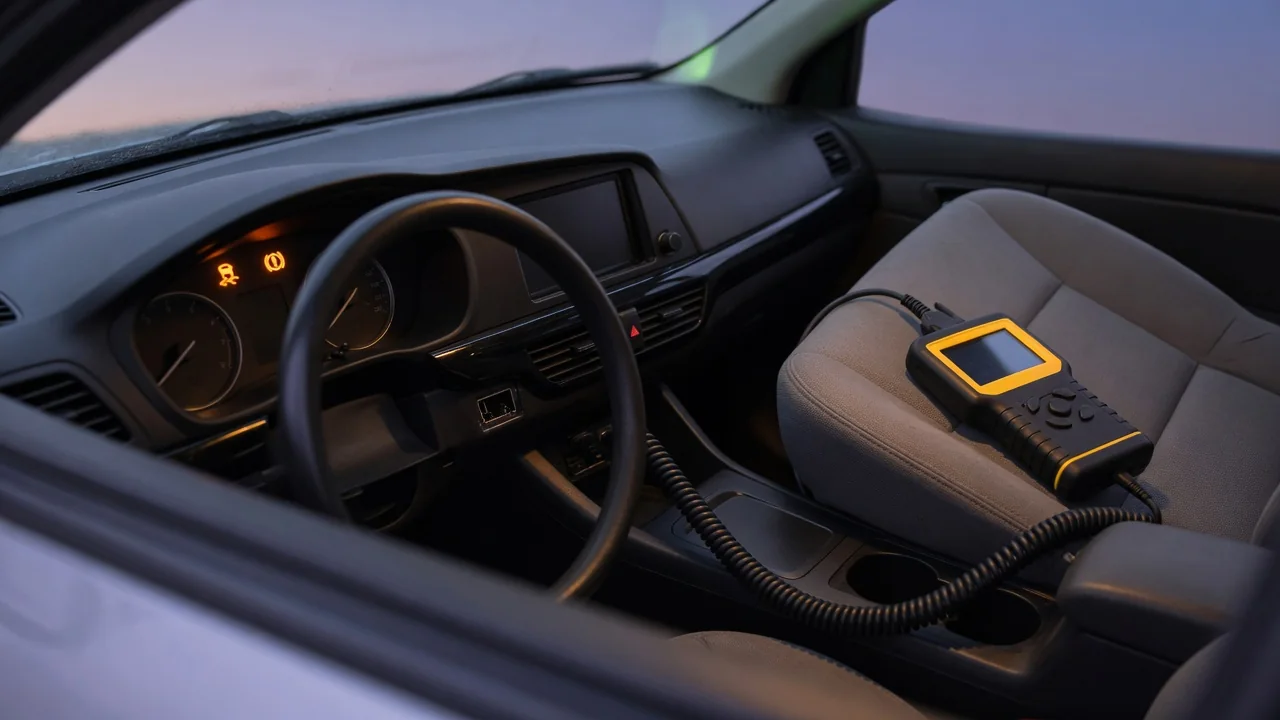
The C0186 and C0196 chassis codes point to sensor problems in your vehicle’s stability control system. When the onboard computer receives an implausible signal from the yaw rate sensor or lateral accelerometer, it may disable traction and stability assistance. These manufacturer-specific codes need careful interpretation, but they often share causes like wiring damage or low voltage. Understanding what the sensors measure and how the system reacts can help you drive safely and discuss repairs with confidence.
C0196 Code: What a Yaw Rate Sensor Circuit Fault Can Indicate
The C0196 code is a chassis diagnostic trouble code, and its exact meaning is set by the manufacturer, not by a universal OBD-II standard. A yaw rate sensor measures how quickly the vehicle rotates around its vertical axis, such as when turning or skidding. The stability control module compares this rotation signal with steering angle and wheel speed inputs to detect if the car is understeering or oversteering and then applies individual brakes to bring it back into line.
When C0196 is defined as a yaw rate sensor circuit fault, it means the control module has detected an electrical signal problem, not that the sensor itself is definitely broken. The fault could be an open circuit, a short, or a signal that stays too high or too low. Before replacing parts, note whether the code is current or stored, any sensor-related subcodes or status bytes, and any other codes set at the same time. This additional information narrows the diagnosis because related faults often appear together.
C0186 Code: Understanding a Lateral Acceleration Sensor Circuit Fault
Like C0196, the C0186 code must be verified against the service information for your specific make, model, and year. A lateral acceleration sensor, sometimes called a lateral accelerometer, measures the sideways force the vehicle experiences during cornering. The stability system uses this data to judge whether the car is following the driver’s intended path or sliding outward. If the lateral acceleration signal does not match the yaw rate, steering, and wheel speed values, the module may set this code to warn that something is not adding up.
On many designs, the yaw rate and lateral acceleration functions are integrated into one sensor housing that shares a wiring connector and data circuit. This explains why C0186 and C0196 often appear together, though the exact arrangement varies by vehicle. A circuit code like C0186 does not tell you what has failed; it only tells you the module saw an implausible, missing, or out-of-range signal. The real cause might be wiring, power supply, mounting, or the sensor itself, so testing is required before replacing anything.
Warning Lights and Driving Symptoms When Stability Sensors Report a Fault
When the stability control module detects a fault from the yaw rate or lateral acceleration sensor, it typically lights warning indicators on the dash. You may see the traction control light, stability control light, ABS warning, or a service message stating that these systems are disabled or require service. The exact combination of lights and messages differs by manufacturer and even by model year, so your vehicle may not show all of them. The warning often appears immediately after starting the engine or while driving when the signal falls out of range.
In most cases, the base hydraulic brakes continue to work normally, so you can still stop the car. However, electronic stability and traction assistance are likely reduced or switched off, which matters most on wet, icy, or loose surfaces and during emergency swerves. Intermittent warnings that come and go with bumps, temperature changes, or after restarting the engine suggest a loose connector or damaged wire. Keep a note of when the light appears and what you were doing, because this pattern can help a technician. If the warning stays on, drive gently and get the vehicle inspected soon. If braking or steering feels abnormal, stop and seek help immediately.
Possible Causes Behind Yaw Rate and Lateral Acceleration Circuit Codes
Many different problems can set a yaw rate or lateral acceleration circuit code. Common categories include damaged or corroded wiring, loose or contaminated connectors, weak power supply or ground connections, a failed sensor, and communication errors in the control module network. Since both sensors often share a harness and connector, damage to that area will trigger both codes. No single cause is more likely than another without inspecting your specific vehicle, but these categories cover almost every field repair.
Low battery voltage, a failing alternator, or a recent jump start can cause temporary sensor codes because the stability module may see sensor supply voltage drop below the expected range. Before checking sensors, have the battery and charging system tested. A sensor mounted loosely, at the wrong angle, or disturbed during interior, seat, console, or collision repair work can send signals the module rejects as implausible. Also, related inputs like the steering angle sensor and wheel speed sensors feed into the same plausibility check, so faults in those systems may appear alongside C0186 or C0196. Do not assume a new sensor is needed before the circuit and mounting have been verified.
Safe Diagnostic Approach and the Limits of a Basic Code Reader
Many basic OBD-II code readers only show powertrain codes starting with P, so they may not display C0186 or C0196 at all. To read these chassis codes and view live sensor data, you need a scan tool that can access the ABS or stability control module. A professional-grade scanner can show the yaw rate, lateral acceleration, steering angle, and wheel speed values in real time, which is often essential for diagnosis. Before going deeper, record all trouble codes and freeze frame data if available, because they capture the conditions when the fault occurred.
Look for obvious problems without taking anything apart: check battery condition, inspect visible wiring and connectors near the sensor and along the floor, and note any recent repairs that might have disturbed the area. A technician can use live data to compare yaw rate and lateral acceleration readings while the vehicle is standing still and moving. A stationary vehicle should show near zero for yaw rate and lateral acceleration on level ground, but a single number is not proof of a bad sensor. Clearing codes without fixing the cause only hides the problem; if the code returns, that information helps pinpoint the fault. For pinpoint electrical checks, module communication faults, or any issue affecting braking, professional testing is strongly recommended, especially if the sensor is located near airbag components.
Calibration and Zero-Point Learning After Sensor or Alignment Work
On many vehicles, a new or disturbed yaw rate or lateral acceleration sensor must be calibrated or zeroed with a scan tool so the stability system knows the correct reference point. This procedure teaches the module what the sensor’s output should be when the vehicle is stationary and level. If calibration is skipped, the system may misinterpret normal driving as a spin or slide and intervene at the wrong time, even with a perfectly good sensor installed. The exact required procedure varies by manufacturer, so always check the service information for your vehicle.
Steering angle sensor calibration and wheel alignment can also affect stability system plausibility checks. The module compares yaw rate, lateral acceleration, steering input, and wheel speed to determine whether the car is doing what the driver wants. Many calibration procedures require the vehicle to be on a level surface, with the wheels straight ahead and the battery voltage stable. Skipping a required zero-point learning routine can leave codes active or cause the stability system to step in unexpectedly during normal turns. Do not guess at the procedure or service intervals; use the manufacturer’s published information for your exact model.