C0161 Code: Meaning, Brake Switch Symptoms, and Diagnosis
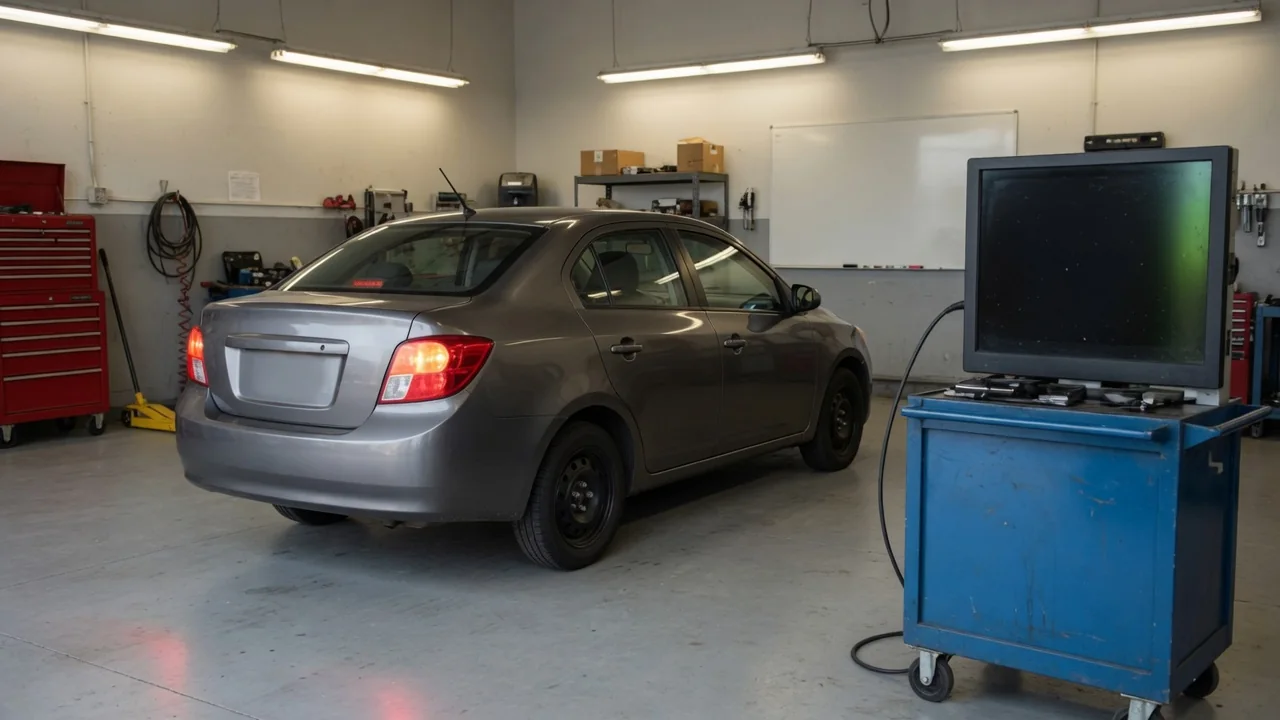
A C0161 code is a chassis diagnostic code that a control module has stored after it saw a problem with a monitored circuit. On many vehicles that circuit involves the brake pedal switch or brake switch signal, but the exact meaning is not the same for every year, make, and model. Confirm the reporting module and the complete factory description before assuming a failed brake light switch or planning any repair.
Verify What C0161 Means for Your Vehicle
Interpreting C0161 starts with the vehicle in front of you, not with a generic label. Record the year, make, and model, then note which module reported the code and the full description attached to it. Chassis codes with the same alphanumeric string can describe different circuits depending on the manufacturer, so treating C0161 as a universal brake switch circuit definition is not valid. Until that vehicle-specific text is in hand, the code is only a stored indication that some monitored condition was not as expected.
When service information for that vehicle identifies a brake switch circuit fault, the relevant module typically watches the brake switch signal as the pedal is applied and released. It compares that input with other data it already uses, such as expected voltage states or related lamp requests. A circuit fault description still does not prove the brake light switch itself has failed. Open wiring, a poor connector, an adjustment issue, or even an unexpected signal from a working switch can produce the same stored result until testing isolates the source.
Symptoms and Warning Lights to Record
Once the factory description is confirmed, related warning lamps become useful context rather than guesswork. An ABS warning light or traction control warning may appear if that same brake switch signal also feeds those systems on the vehicle you are diagnosing, but those lamps should be discussed only when they match the confirmed definition. Brake lights that stay on after the pedal is released, fail to illuminate, or flicker with pedal movement are observations worth recording. None of those lamp behaviors, by themselves, prove a particular part has failed.
Write down when the warnings first appeared, whether they remain after a restart, and whether brake pedal feel or stopping behavior has changed at the same time. Note if brake light operation looks normal from behind the vehicle even while the C0161 code is stored. Normal lamp response does not establish that every monitored brake switch signal is correct, because some modules watch a dedicated input that is separate from the bulbs a following driver sees. Those notes later help a technician compare scan data with what actually happens at the pedal.
Possible Causes After the Code Meaning Is Confirmed
Possible causes follow the switch design and diagnostic information for that vehicle rather than a shared C0161 label. A brake pedal switch can malfunction, or it can sit out of adjustment so the module never sees a clean applied or released state, but those explanations apply only when the service information supports that design. Damaged wiring and connectors, a missing supply, or a poor ground can interrupt or distort the same circuit even when the switch itself still clicks and the lamps still work. Corrosion at a pedal-area plug can produce an intermittent signal.
Recent work around the pedal, a new floor covering, or electrical repairs near the brake light circuit belong in the history because they can disturb a connector or change switch travel. That history does not by itself prove those jobs caused the C0161 code. Control module failure is possible, yet it requires supporting evidence such as failed outputs, implausible scan data that does not match a proven-good circuit, or confirmation after the switch, wiring, and power feeds have been ruled out. The stored code alone cannot justify replacing the switch or the control unit.
Safe Brake Light and Pedal-Area Observations
Safe observations start with the vehicle parked on level ground, the parking brake set, and the transmission in park or in gear with the wheels blocked as the owner's manual directs. From that position, have a helper watch the rear lamps while you press and release the pedal, or use a reflection that is visible from the driver's seat. Confirm whether brake light operation follows the pedal, stays on, or stays dark. Look for an obvious floor mat piled against the pedal and for visible loose or damaged wiring, without reaching into moving pedal components.
Before anyone clears memory, record every other warning light, the complete saved code descriptions, and any recent battery disconnect or electrical issue that might have coincided with C0161. Those details vanish if codes are erased too early and the condition is intermittent. Do not bypass the brake pedal switch, probe live circuits, reposition safety-related components, or try to recreate the fault on the road. Those actions can disable lamps, change pedal travel, or create a hazard that a parked visual check would not have required.
What Professional Diagnosis Should Establish
Professional diagnosis needs a scan tool that can enter the reporting chassis module, not only the engine controller. From that module the technician should retrieve the complete C0161 details, freeze-frame or failure-record data if it is available, and any related codes stored in ABS or traction systems. ABS module scan data for brake pedal input can then be compared with what the driver actually does at the pedal and with the lamps a helper sees. The manufacturer's diagnostic procedure, not a generic parts list, sets the order of those comparisons.
Inspection and electrical testing then focus on the relevant switch, wiring and connectors, power supply, and grounds, following the vehicle's circuit diagram and test values. The goal is to show whether the brake switch signal is missing, stuck, noisy, or simply not reaching the module that stored the code. Parts should be replaced only after that source is confirmed. After the repair, brake light operation should be checked again and the chassis diagnostic code monitored to see whether C0161 returns under the same conditions that first set it.
When to Stop Driving and Arrange Service
A stored C0161 code by itself cannot tell you whether the vehicle is safe to drive or which braking functions remain available. Hydraulic stopping, ABS, traction control, and brake lamp control can be affected in different combinations depending on how that vehicle uses the brake switch signal. If braking feels altered, the pedal is unusually hard, soft, or long, or a red brake warning instructs you to stop in the owner's manual, pull over when it is safe and arrange assistance. Do not continue a trip to diagnose the code on the road.
Brake lights that do not work, or that remain continuously illuminated, are a road safety problem for following traffic and should be corrected before further driving, even if the pedal still stops the vehicle. An ABS warning light or traction control warning deserves prompt assessment as well, because those messages do not confirm that the related systems are still fully operational. Follow the vehicle-specific guidance in the owner's information and have the C0161 code interpreted with the correct module data rather than assuming the remaining braking aids will still intervene as designed.