C0071, C0072 and C0073 Codes: Stability System Sensor Circuit Faults
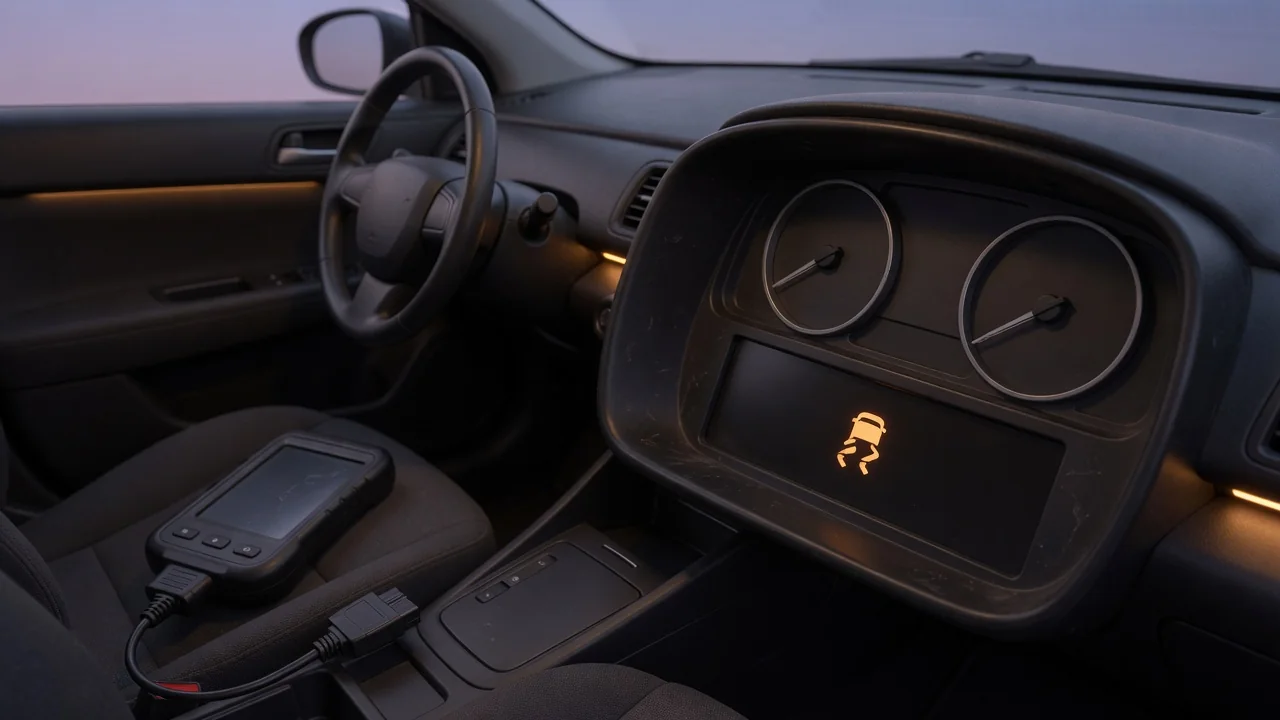
Seeing a C0071 code with a traction control warning light can unsettle any driver. This chassis trouble code is part of a family that includes C0072 and C0073, each flagged by the vehicle's electronic stability control when a sensor signal appears implausible. The stability system depends on inputs like steering angle sensor, yaw rate sensor, and lateral acceleration sensor to keep the car stable during sudden maneuvers. Because these codes are manufacturer-specific, the same number can mean different things on different models. Reading the code is only the start; interpreting the ABS module's live data leads to the real fix.
What a C0071 Code Can Indicate and Why You Must Confirm the Make-Specific Definition
A C0071 code is a chassis-system diagnostic trouble code, but its exact definition is set by each manufacturer. The module that stores it—often the ABS module or a dedicated stability controller—uses manufacturer-specific software to judge sensor signals. Without the correct definition for your exact make, model, year, and module, assuming a universal meaning can send you down the wrong path. A generic code reader may show only “C0071” with no description. A professional scan tool that reads chassis codes and official service information reveals what circuit or signal the module was evaluating when it set the fault.
In general, stability and traction control compare driver intent with actual vehicle motion using multiple sensor inputs. A steering angle sensor shows where the driver wants to go, while a yaw rate sensor and lateral acceleration sensor show what the vehicle is doing. If one input becomes implausible—out of range, stuck, or inconsistent with the others—the module records a chassis trouble code and disables the driver aids. The code points to a circuit or signal that was questionable, not automatically a failed sensor. A wiring harness connector with corrosion or a poor power supply can produce the same code as a bad component.
Reading a C0072 Code Alongside Related Stability Codes
C0072 also has a manufacturer-dependent meaning. On one vehicle it may refer to a steering angle sensor circuit; on another, to a yaw rate sensor or communication line. Before interpreting it, look it up for the specific vehicle using a scan tool with enhanced chassis coverage or official service information. The same applies to C0073—treating these numbers as interchangeable leads to misdiagnosis. Because manufacturers update definitions and add variant meanings, a code list found online may not match your vehicle's software level.
When C0071, C0072, and C0073 appear together or in sequence, they often indicate a shared problem rather than three failed sensors. All three may be on one power feed, ground, or data bus with a weak connection or intermittent short. Code status matters: current means the fault is present now, pending means the module has seen it but not confirmed, and history means it occurred in the past. Recording all stored codes, freeze-frame data, and the conditions when the warning appeared—such as turning at a certain speed or after hitting a bump—gives a technician vital clues before clearing anything.
What a C0073 Code Suggests and the Limits of the Code Alone
A C0073 code is also manufacturer-specific. It may relate to a lateral acceleration sensor, a steering angle sensor, or a module internal check depending on the vehicle. Checking the code against vehicle-specific service information is the only way to know what subsystem the module flagged. Relying on a generic code list can misdirect attention to a part that is not even present on that model. The code itself is a symptom report, not a diagnosis.
The fault can come from a bad sensor, damaged connector, broken or shorted wiring, lost calibration, or a module software issue. Some stability sensors require a calibration or zero-point reset after steering, alignment, or battery work. Where the manufacturer specifies it, this is done with proper scan tool equipment, not by simply clearing the code. Replacing a part based on the code number alone often returns the same code because the root cause—like a bent terminal or a voltage drop in a shared harness—was never addressed.
Symptoms Drivers May Notice With Stability and Traction Control Faults
Drivers usually notice a stability control, traction control, or ABS warning light on the dashboard. The message might say “Service Stability System” or “Traction Control Off.” Sometimes the lights come on together, and there may also be a brake warning if the ABS module flags a related issue. These warnings mean the electronic stability control has been disabled for the current drive cycle. On dry roads, the car may feel completely normal, masking the fact that a safety system is not available when needed most.
The warnings may appear intermittently. They can come on during a sharp turn, after hitting a bump, in heavy rain, or on cold mornings, then go away after a restart. This pattern suggests a marginal connection or an implausible sensor reading under specific conditions rather than a hard failure. Keeping a simple log of when the light comes on—speed, turning direction, road surface, and weather—helps a technician reproduce the fault and narrow down which sensor input is drifting or losing contact.
Safe Observations You Can Make Before a Diagnostic Visit
Before heading to a shop, make safe observations. Check battery condition and think about recent low-voltage events, jump starts, or a battery replacement. Stability modules are sensitive to supply voltage; a weak battery or poor ground can set sensor circuit faults even when the sensor is fine. Note any recent work such as wheel alignment, suspension or steering repairs, collision damage, or aftermarket electrical installs like trailer wiring or a stereo. A disconnected steering angle sensor or a pinched harness during a repair is a common trigger for these codes.
With the engine off and key removed, do a visual check of accessible connectors and wiring in the engine bay and under the dash. Look for obvious damage, corrosion, or a connector not fully seated. Do not unplug safety-system components or probe circuits with a multimeter unless you have proper service information—incorrect probing can set more codes or even deploy an airbag in some harnesses. A simple checklist of when the warning appears, along with any recent changes, gives the technician a head start without risking further damage.
When Professional Testing Is Needed and How to Drive Until Then
Confirming these faults requires live data, circuit tests, and sometimes sensor calibration with manufacturer-level scan equipment. A professional can compare steering angle, yaw rate, and lateral acceleration readings during a test drive and see which one drops out or becomes implausible. Get a professional diagnosis promptly, especially if the ABS or brake warning is also on or the brakes feel different than usual—a stability fault can sometimes come with reduced brake assist or an unusual pedal feel.
Until then, drive gently and leave extra following distance. On wet or icy roads, remember that stability assistance may be unavailable, so take corners slowly and avoid sudden steering inputs. Clearing codes without a repair only hides the problem; a returning code confirms an unresolved fault. After diagnosis, ask the shop to explain the confirmed cause and whether any sensor calibration was performed after the repair. A proper repair includes not just the part replacement but a final check that all related sensors read correctly and the warning stays off.