C0020 and C0022 Codes: Meaning, Symptoms, and How to Diagnose Them
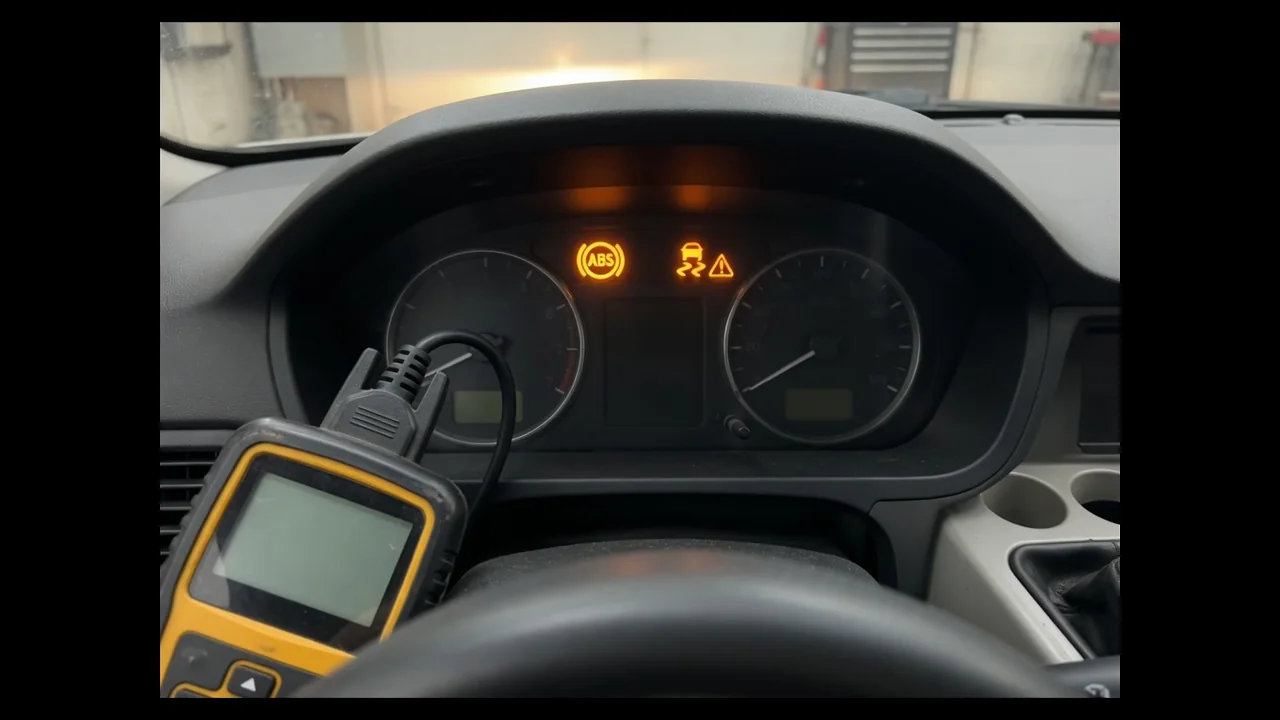
A C0020 code appearing on your scan tool can be confusing because this chassis code lacks a single universal meaning across all vehicles. It may point to the anti-lock braking system, traction control, stability control, or related circuits. The companion C0022 code adds another layer that requires careful interpretation. Understanding how these codes set, what symptoms they produce, and why vehicle-specific definitions matter is essential before attempting any repair. This guide explains the likely system involved, how to read the codes correctly, and what practical steps follow.
What C0020 Means and Why the Definition Depends on Your Vehicle
The leading 'C' in C0020 identifies it as a chassis diagnostic trouble code. Chassis codes are stored by modules that manage functions beyond the engine, most often things like anti-lock braking, traction control, stability control, or suspension. The ABS control module is a common source, but other networked modules can also record these codes. Because chassis systems vary widely between manufacturers, the same numeric code may describe completely different faults depending on the vehicle. Treating C0020 as a single known failure without confirming its definition is a common diagnostic mistake.
There is no universal C0020 definition, so the code meaning can change with make, model, and model year. On one vehicle it may reference an ABS wheel speed sensor circuit; on another it could point to a pump motor relay or steering angle sensor. Generic code lists often provide only a partial or misleading description. The only reliable way to interpret C0020 is to check manufacturer service information for the specific VIN. A professional-grade scan tool with enhanced chassis code definitions can also display the exact fault text, which helps avoid purchasing incorrect parts or chasing the wrong circuit.
Reading a C0020 Code on Your Scan Tool: Status, Freeze Frame, and Source Module
Many inexpensive engine-only code readers cannot communicate with chassis or ABS modules, so they will not show C0020 at all. To retrieve this code you need a scan tool with ABS access and chassis capability. Even when the tool reads enhanced codes, the displayed status matters. A current code indicates the fault is present right now; a pending code suggests the system detected a potential issue that has not yet fully set; and a history or stored code records a past event. Each status tells a different story about how active the problem is.
Freeze frame data, when supported by the scan tool, captures operating conditions at the moment the code set. This can include vehicle speed, battery voltage, engine RPM, and sometimes brake switch state. Reviewing this snapshot helps you see if a low voltage condition or a specific driving situation triggered the code. Before clearing anything, write down every stored code, including any two-digit failure-type characters that follow the primary code. Clearing codes erases freeze frame and history information that can prove invaluable during a proper diagnosis.
What the C0022 Code Can Indicate and How It Relates to C0020
C0022 is also a chassis code, and just like C0020, its definition must be verified against the specific vehicle. On some models C0022 may relate to a brake fluid level sensor or a hydraulic unit performance fault, while on others it could point to a lateral acceleration sensor or steering angle signal. The nearby numerical sequence does not guarantee the codes share the same circuit. Manufacturers assign code numbers according to internal standards, so C0020 and C0022 can exist in completely different subsystems. Never assume a relationship without checking the service information for both codes.
When C0020 and C0022 appear together, technicians look for shared factors that might explain both. Common power supply, ground points, wiring harness connectors, or even a failing module can set multiple chassis codes at once. For example, a corroded ABS module connector could disrupt several sensor signals in one event. The recommended approach is to diagnose the codes as a set, following the priority order given in the manufacturer's service manual. Fixing one code by guesswork while ignoring the other often leads to a comeback repair and wasted expense.
Symptoms and Warning Lights You May Notice
Chassis codes like C0020 and C0022 usually trigger warning indicators on the instrument cluster. The ABS warning light is the most frequent companion, but traction control and stability control lights may also illuminate. Some vehicles light a generic brake warning indicator or display a service message. The exact combination of lights depends on the system affected and how the manufacturer maps warning priorities. Because the lights tell you which driving aids are disabled, noting exactly which indicators are lit provides useful information before any scan tool is connected.
When only ABS-related functions are disabled, normal hydraulic braking typically continues to work. You may still stop the vehicle, but anti-lock, traction, and stability assistance will not be available. Driver-noticeable signs vary; some vehicles exhibit warnings that come and go, slight changes in brake pedal feel during a self-test, or unusual noise from the ABS pump on startup. Other vehicles store these codes with no noticeable symptoms at all. This is why code status and history matter—an intermittent stored code with no current warning still deserves investigation.
Possible Causes to Consider After Confirming the Code Definition
After confirming the vehicle-specific definition, possible causes for C0020 and related codes usually fall into a few categories. Wiring harness and connectors near wheels and the underbody are common failure points due to flexing, corrosion, or physical damage. Fuses, relays, and the power and ground supply to the module also deserve attention because chassis control modules are sensitive to voltage fluctuations. A failed wheel speed sensor, pump motor, or solenoid inside the ABS unit could also be at fault, but these should not be assumed without testing.
Low battery voltage, charging system problems, or a recent jump-start can trigger chassis codes because many systems run self-checks that require stable power. Technicians often begin diagnosis by verifying battery state of charge, alternator output, and clean tight connections. Corrosion or water intrusion in connectors under the vehicle or in the wheel wells is another frequent trigger for chassis circuit faults. Because no single cause is universal, the exact failure must be confirmed with manufacturer test procedures and live data, not by substituting parts from a generic list.
Safe Checks You Can Do and Where Owner Diagnosis Stops
Several safe checks can help narrow the issue before involving a professional. Start by noting exactly which warning lights are on and when they appear—at startup, over bumps, in wet weather, or at a certain speed. Perform a visual inspection of reachable wiring harnesses and connectors near the wheels and under the hood without disassembling anything. Loose or damaged connectors, chafed wire insulation, and visible corrosion are worth recording. Also confirm the battery terminals are clean and tight, since poor connections can cause intermittent chassis faults.
However, owner diagnosis stops well short of internal component repair. Brake hydraulic systems, ABS units, and control modules should not be opened, bled, or taken apart by untrained individuals. A code such as C0020 indicates a fault in the monitored circuit, but it is evidence to interpret, not proof that a specific part has failed. Confirming the root cause typically requires manufacturer-specific test procedures, live scan data showing sensor signals, and circuit testing with a digital multimeter. That level of diagnosis goes beyond what the code alone can show.
When to Get Professional Brake and Chassis Testing
Schedule a professional inspection soon whenever brake or ABS-related warnings are on. If the red brake warning light is lit or the brake pedal feels different, treat it as urgent and have the vehicle towed if necessary. Driving with reduced stability or anti-lock assistance calls for extra caution, particularly in wet, icy, or emergency braking situations where these systems are designed to help. Even if the car feels normal, the disabled aids mean you have less safety margin in a sudden stop or slippery corner.
When you bring the vehicle to a shop, provide a complete picture: the full code list with status, freeze frame notes if captured, a description of when warnings appear, and any recent repairs or battery work. This information helps the technician focus on the most likely circuits first. After repairs, some vehicles require module setup, calibration, or a system verification routine using professional equipment. Following the manufacturer's post-repair procedure ensures the warning lights stay off and the chassis systems are fully functional again.