C0002, C0003 and C0004 Chassis Codes: Meaning, Causes and Diagnosis
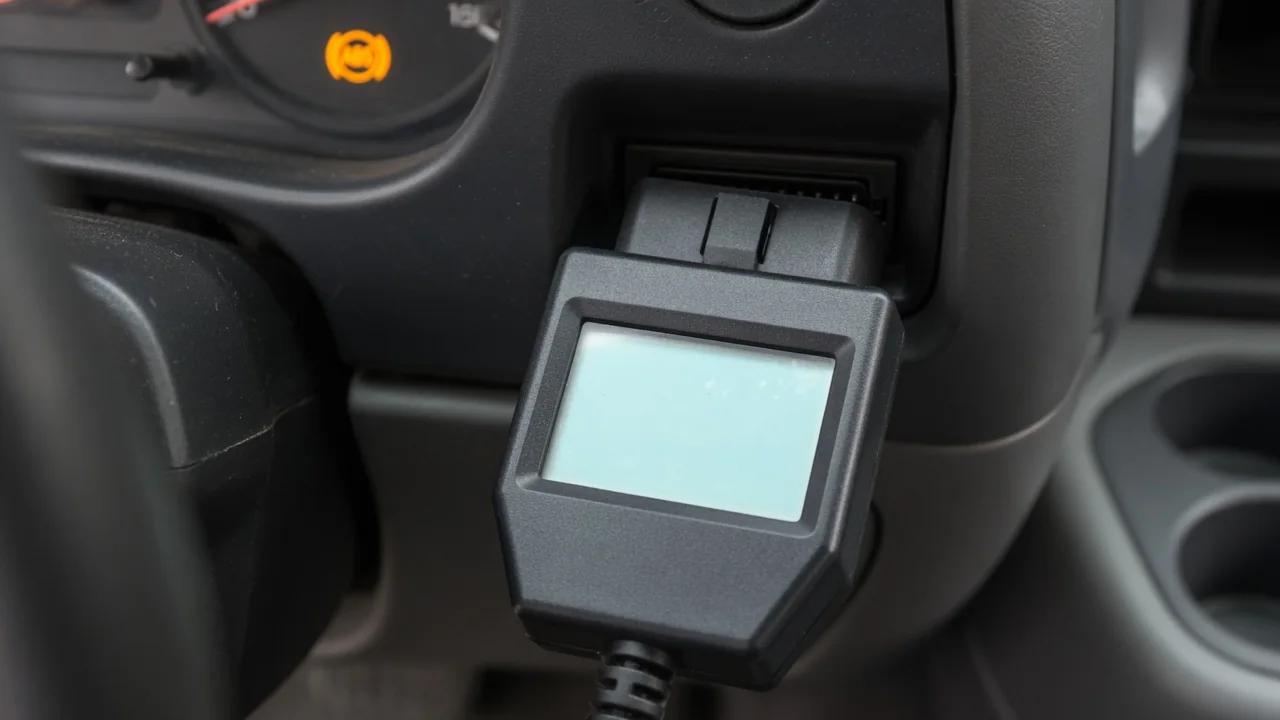
C0002, C0003, and C0004 are chassis diagnostic trouble codes that can appear on a scan tool when a brake, stability, or steering module detects a fault. Unlike universal powertrain codes, these C-prefix codes often have manufacturer-specific meanings, so the same number may point to different problems on different vehicles. Understanding how to confirm the exact definition for your model and interpret the accompanying freeze-frame data is essential before attempting diagnosis or repairs.
What C-Prefix Chassis Codes Are and Why C0002–C0004 Need Vehicle-Specific Lookup
Chassis trouble codes, identified by the letter C as the first character, are stored by modules responsible for systems outside the engine and transmission. Typical sources include the ABS module, electronic brake control module, steering angle sensor, or suspension controller. Because these systems often work together, a single fault can trigger multiple codes or warning lights. A basic code reader may not access chassis codes, so a professional-grade scan tool is usually required to retrieve them.
C0002, C0003, and C0004 have no standardized definition across all automakers. The meaning depends on the vehicle make, model, year, and the specific module reporting the code. For example, C0002 could relate to a traction control system input on one brand and an internal module failure on another. Always verify the code using factory service information, a dealer lookup, or a scan tool that can display manufacturer-enhanced definitions before drawing conclusions.
C0002 Code: How to Confirm Its Meaning on Your Vehicle
When C0002 appears, resist the urge to guess its meaning. The code could be associated with wheel speed sensor circuits, steering angle sensor initialization, brake fluid pressure, or another chassis subsystem, but this varies by manufacturer. Confirm the definition through a factory scan tool or official service data. Pay attention to which module stored the code—such as the ABS module or power steering control module—and whether the fault is currently active or stored as a history code.
Record all available information when C0002 is present. Note the freeze frame data, which captures operating conditions at the time of the fault, such as vehicle speed, brake switch state, or system voltage. Also document any other chassis codes stored at the same time. Warning lights like the ABS, traction control, or stability control indicators can provide real-world symptoms that match the verified code definition. Replacing a sensor or module based solely on the code number often leads to unnecessary expense.
C0003 Code: Interpreting It Without Guesswork
C0003 is another manufacturer-dependent code that requires confirmation for your specific vehicle and reporting module. A scan tool capable of reading the full code description and any failure-type byte or symptom code can clarify whether the issue is electrical, signal-related, or internal to a module. For example, a C0003 on one model may indicate a steering angle sensor not calibrated, while on another it could point to a brake pressure sensor circuit range problem.
Observe whether C0003 returns immediately after clearing or only appears intermittently. If the code clears and stays away for a drive cycle, it may have been a transient glitch, but an immediate return suggests a continuous fault. Do not clear codes before recording all data, because freeze frame and other stored codes are lost. Simple observations like checking for damaged wiring or loose connectors can be done safely, but deeper electrical testing requires professional equipment and knowledge.
C0004 Code: Common Diagnostic Paths After Verification
After confirming the exact meaning of C0004 for your make and model, diagnostic paths typically fall into a few general categories. Chassis codes often stem from wiring or connector issues, sensor signal faults, low system voltage, or internal module problems. For instance, a damaged wheel speed sensor harness or corroded connector can cause intermittent signal loss. The code definition and wiring diagram will guide which circuit to inspect first.
If C0004 appears alongside C0002 or C0003, consider the possibility of a shared power supply, ground point, or communication network. Multiple codes in the same system often result from one root cause, such as a weak battery or failing alternator causing voltage drops during ABS pump operation. Check battery condition and charging voltage before replacing expensive components, because low voltage can trigger multiple spurious chassis codes.
Symptoms and Warning Lights That May Accompany These Chassis Codes
Chassis codes may be accompanied by various warning lights, including ABS, traction control, or stability control indicators. Some codes store silently with no noticeable symptoms, while others cause the system to disable. When a stability or traction system is off, normal braking and steering still function, but electronic assistance may not be available. Drive cautiously and have the vehicle inspected promptly if these lights illuminate.
Stop driving and seek assistance if the red brake warning light comes on, the brake pedal feels spongy or abnormally hard, or steering becomes unusually heavy or unpredictable. These symptoms may indicate a base brake or steering issue separate from the electronic aids. Note when symptoms occur—such as at startup, over bumps, in wet weather, or at specific speeds—because this information helps a technician reproduce and diagnose the fault.
Safe Checks You Can Do and Where Owner Diagnosis Ends
You can perform a few low-risk checks before taking the vehicle to a professional. Visually inspect accessible wiring and connectors for obvious damage, such as chafed insulation, corrosion, or loose plugs. Confirm battery terminals are clean and tight, and ensure the battery voltage is above 12.4 volts with the engine off. After these checks, rescan for codes to see if C0002, C0003, or C0004 returns.
These checks have limitations: a code number and a visual inspection cannot confirm a failed sensor or module. Do not unplug brake system components, bypass warning systems, or open hydraulic brake lines without proper training, tools, and service procedures. Repeatedly clearing codes without fixing the underlying cause can hide developing faults and make later diagnosis more difficult, so avoid using a code reader as a reset button.
When Professional Testing Is Needed for C0002, C0003 or C0004
A qualified technician will use a professional scan tool to read manufacturer-enhanced data, review live sensor values, and follow pinpoint test procedures from the factory service manual. This often involves measuring circuit resistance, voltage drops, and signal waveforms with a digital multimeter or oscilloscope. Some fixes may require module programming, calibration, or initialization procedures that only dealer-level tools can perform.
When visiting a shop, bring notes on the verified code definition, freeze-frame data, any other stored codes, and the conditions under which symptoms appeared. Check with a dealer or official lookup channels whether any technical service bulletins apply to your vehicle, but do not assume a bulletin exists. Providing this information helps the technician diagnose efficiently and avoid unnecessary parts replacement.