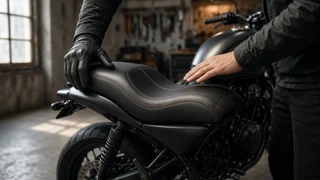
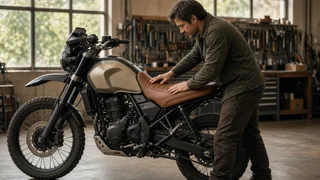
C&C Motorcycle Seats: What to Know Before Choosing a Custom Seat
Riders who search for C&C motorcycle seats are usually looking for a seat maker that trades under the C&C name and offers aftermarket or custom-built seats for road motorcycles in the US market. This guide does not have confirmed details on that maker's current catalog, prices, lead times, covered models or contact information. Get those details directly from the seller. What this guide does cover is how a custom or aftermarket seat differs from a factory seat, which design choices affect rider fit and passenger comfort, and what to settle before ordering any seat, whatever the brand.
What a Replacement Seat Actually Changes
A motorcycle seat does more than provide padding. Its shape and height set where the rider sits relative to the handlebars, foot controls and ground. Moving the seating position even slightly changes knee bend, how far you reach to the bars, and whether you can put both feet down flat at a stop. The foam and the base underneath it, called the seat pan, decide how pressure spreads across the rider's body on longer rides. On two-up motorcycles, the rear section decides how much room and support a passenger has.
Factory seats are designed as a compromise for a wide range of rider sizes and uses. Aftermarket and custom seats exist because a given rider's body, riding style or passenger needs often fall outside that compromise.
Custom, Aftermarket and Stock Seats Compared
Aspect | Factory (stock) seat | Mass-produced aftermarket seat | Custom-built or rebuilt seat; Fit to rider | Built for an average range of riders | Set shape, often in a few height or style options | Can be shaped to one rider's height, weight and preferences; Model fitment | Made for the specific model and year | Made for listed models; fitment depends on the listing | Usually built on, or matched to, the owner's specific seat pan or model; Passenger section | Standard pillion | Varies by design; solo and two-up versions are common | Can be built for the rider's actual passenger needs; Turnaround | Available from the dealer | Typically shipped from stock | Typically longer, because the seat is built or modified to order; Cost | Included with the bike | Varies by brand and design | Varies widely with materials and the amount of custom work
Where a C&C seat sits in this comparison depends on what the maker offers for your model. It may be a ready-made design, work on a customer-supplied seat pan, or a fully custom build. Ask which service applies before comparing prices with other options.
Rider Fit: The Factors That Matter Most
Seat height and ground reach: a lower or narrower front section can help shorter riders reach the ground, while taller riders may want more height to open up knee angle. Width at the front of the seat: a narrow nose shortens the effective reach to the ground even when seat height barely changes. Pocket or bucket position: a defined rider pocket keeps you from sliding forward, but it fixes your position. Riders who like to shift around on long rides may prefer a flatter profile. Reach to riding controls: moving the seating position forward or back changes your reach to the handlebars, clutch and brake levers, and foot controls. Check that the new position works with your existing bars and pegs or floorboards. Foam firmness and layering: soft foam feels comfortable at first but can bottom out over hours of riding. Firmer or layered foam is often chosen for long-distance comfort. Some seats add gel or similar inserts in pressure areas. Rider backrest: a removable or adjustable backrest can help on touring rides, but it has to suit the seat design and leave enough room for the passenger.
Passenger Accommodation
If you carry a passenger, the rear section deserves as much attention as the rider's area. A small, angled pillion can look sleek but tends to tip the passenger forward into the rider. A wider, flatter pillion with supportive foam is more comfortable on longer trips. Consider how the passenger seat lines up with the rear footpegs. A seat that raises the passenger also changes their knee bend.
Solo versus two-up: decide whether you need a permanent passenger section, a removable pillion pad, or a solo seat only. Backrest and sissy bar compatibility: if the motorcycle has a sissy bar, rack or tour pack, the seat must clear its mounts and should sit naturally against a passenger backrest. Step height between rider and passenger: a pronounced step gives the rider lower-back support and keeps the passenger from crowding the rider, but too much height can block the rider's view of the passenger or limit their own position. Grab strap or handholds: confirm whether the design keeps a passenger strap or relies on separate grab rails.
Model Identification and Equipment Compatibility
Seats are almost always specific to a model, and often to a range of model years. The seat pan has to match the frame's mounting points, latch or bolt locations, fuel tank shape and rear fender. Manufacturers sometimes change these between generations, even within one model name. Accurate model identification is the most important step in ordering a seat that fits.
Make, model and model year, plus the trim or variant if the manufacturer offers more than one. Any aftermarket fuel tank, rear fender, side covers or frame modifications, since these change how the seat sits. Lowered or raised suspension, which affects how much seat height change is useful. Accessories that interact with the seat, such as heated-seat wiring, luggage racks, saddlebag mounts, tour packs or backrest mounting hardware. Whether the motorcycle has electronics or a battery under the seat that need clearance or access.
Engine configuration can also play a part. On some cruisers with an air-cooled V-twin, heat from the rear cylinder and exhaust reaches the rider's inner thighs. A seat cannot remove that heat, but seat shape and rider position affect how much of it the rider feels. Discuss this with the seller if heat is already a complaint.
Covers, Materials and Construction
Covers are commonly made from vinyl, leather or synthetic leather-look materials. Vinyl usually resists water well and needs little care. Leather offers a traditional look and feel but needs regular conditioning and protection from prolonged rain and sun. Stitching style, embroidery and inlays are mostly cosmetic. Seams in the rider's contact areas can affect comfort and water resistance, though. Ask how the cover is attached and whether it can be replaced separately later, since covers often wear out before the foam and pan.
Questions to Settle Before Ordering
Is the seat a ready-made design, a rebuild of your existing seat pan, or a fully custom build? Which makes, models and years does the design fit, and does it fit your bike as modified? What seat height change, if any, should you expect compared with your current seat? What foam, cover material and passenger configuration are available? If you send in your own seat, how long will you be without it? What are the return, warranty and repair terms if the seat does not fit or wears early?
Installation and Service Notes
Most motorcycle seats install with the factory latch, mounting tabs or a few bolts, and no special tools. If the seat is held by fasteners, tighten them to the service specification in your motorcycle's service manual rather than by feel. Recheck them after the first few rides. Confirm the seat is fully locked before riding, and check that it does not pinch wiring, cables or fuel lines underneath. Clean and protect the cover according to its material, and store the motorcycle covered or indoors when possible to reduce sun and weather damage.
Bottom Line
C&C motorcycle seats belong to the broader category of aftermarket and custom seats. Riders choose these seats to improve fit, long-ride comfort and passenger accommodation over a factory seat. Whether a C&C seat is the right choice depends on what the maker offers for your specific model and year, and how well that matches your height, riding style and two-up needs. Identify your motorcycle accurately, decide what you want to change, and confirm fitment and terms directly with the seller before ordering.