Bypassing an In-Tank Fuel Pump
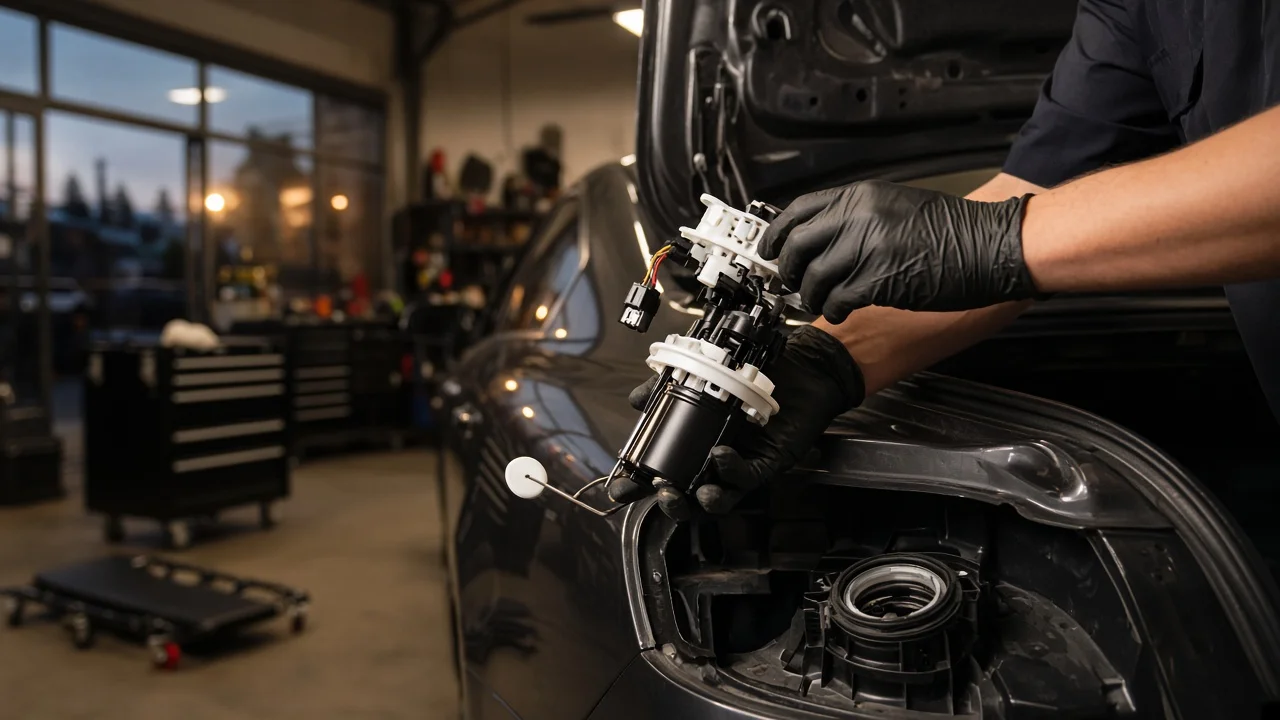
Bypassing an in-tank fuel pump is a diagnostic or temporary repair topic that comes up when a vehicle cranks but will not start, or when fuel delivery is in question. The idea is to route around the factory pump and its in-tank circuit so you can confirm whether the pump, wiring, relay, or control module is responsible for the no-start. It is not a permanent street fix. In most cases the bypass is performed with the ignition off, fuel pressure relieved, and a fused jumper or external fuel source arranged so the fuel system can be tested without replacing parts blindly. The underlying question is whether the pump can be made to run and supply adequate pressure when commanded directly.
Essential answer
Bypassing an in-tank fuel pump typically means applying controlled battery power and ground directly to the pump circuit, or temporarily connecting an external fuel supply, to separate a failed pump from a failed control side. The pump may be silent because the relay is not closing, the fuel pump driver module is inhibiting operation, the inertia switch is open, or the wiring has high resistance. A bypass is therefore a diagnostic step rather than a repair. It helps you determine whether the pump itself can spin and build pressure when the normal command path is removed from the equation.
The scope matters because a bypass is not a substitute for a proper fuel pump replacement or a repaired control circuit. On a return-type fuel system, bypassing can reveal whether the pump delivers fuel at the rail. On a returnless system, the pump is usually pulse-width modulated by a module, and direct battery feed may not represent normal operation. Before any bypass, the fuel system should be treated as pressurized. The goal is to create a short, controlled test that confirms pump response or exposes a restriction caused by a plugged filter, damaged wiring, or a failed check valve.