Buying or Owning a Car With Rust: Stages, Severity and Dealbreakers
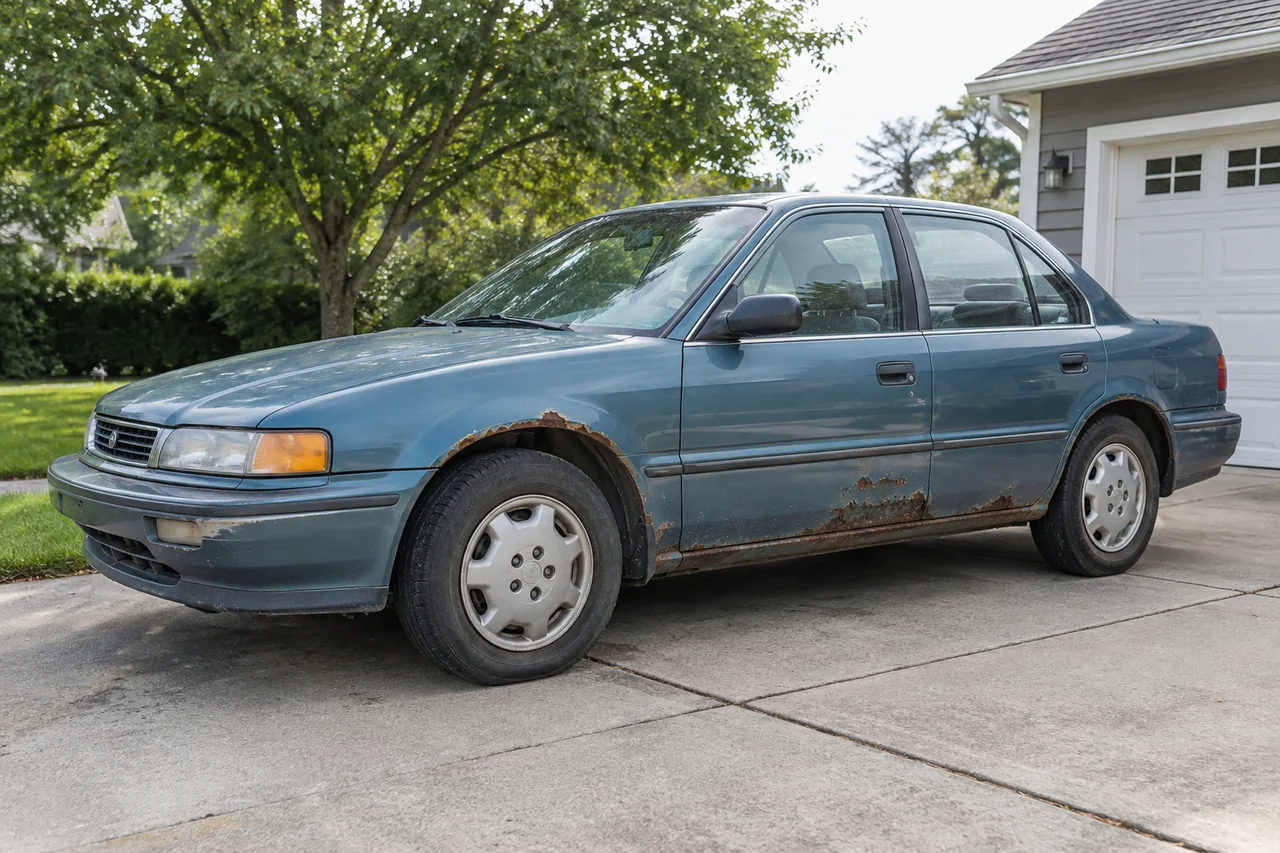
Car rust ranges from a cosmetic blemish to a hidden structural weakness, and the difference is rarely obvious from a quick walk-around. Whether you are shopping for a used vehicle or deciding how long to keep an older one, judging corrosion means looking at where it sits, how far it has spread, what caused it and what a professional inspection reveals.
Start With the Rust’s Location, Extent and Inspection History
A spot of orange on a fender tells you little on its own. Visible rust shows that corrosion has started somewhere, but not how deep it runs, whether it has spread behind panels, or whether it touches parts that hold the car together. Begin by noting exactly where each patch appears and how large an area it covers. Look for paint bubbling near wheel arches, door bottoms and rocker panels, and for seams that look swollen or pushed apart, because those signs often mean corrosion is working underneath the finish.
History fills in what the eye cannot. Ask the seller whether the car has had rust repairs, panel replacement or welding, and whether it has suffered water leaks from windshields, sunroofs or door seals. Where and how it was stored matters too, as do any prior inspection reports. Be cautious with fresh paint, thick undercoating or new trim in rust-prone spots. Those treatments may be legitimate maintenance, yet they can also hide corroded metal, and a clean coating says nothing reliable about the steel beneath it.
Recognize Surface Rust, Scale and Perforation
Rust is commonly described in three conditions. Surface rust is oxidation visible at the metal's surface, often appearing as light discoloration where paint has chipped or worn through. It is generally the least advanced condition, but appearance alone cannot confirm how much sound metal remains. Scale is more serious: layered, flaky or crusty corrosion that lifts away in pieces, signaling that the underlying metal is actively deteriorating and losing thickness rather than merely showing a stained surface.
Perforation means corrosion has eaten completely through, leaving holes. The visible opening usually understates the problem, since the metal surrounding a hole is often thinned and weakened well beyond its edges. These categories describe conditions, not a schedule; there is no reliable timeline for how quickly surface rust becomes scale or scale becomes a hole, because climate, care and design all vary. Photos in a listing are especially limited, since they cannot show depth, thickness or whether a load-bearing area remains sound.
Trace Road Salt, Coastal Exposure and Moisture History
Corrosion needs moisture, and road salt accelerates it by keeping water conductive and lingering on metal. The greatest damage often happens where salty slush and debris pack into seams, pinch welds, rocker interiors and other enclosed areas that stay damp long after the road dries. Rather than hunting for a ranking of the worst states, think in exposure factors: regions that treat winter roads heavily, coastal areas with salt-laden air, and any setting where a car sits damp for long periods all raise the risk.
A car's current location does not erase its past. A vehicle sold in a dry climate may have spent years commuting through salted winters, and corrosion that started then can keep progressing. Vehicle history reports and registration records can suggest where it lived. Ask whether it was driven through winter, parked in a garage or outdoors, and whether the underbody was washed regularly. Those answers help set expectations, but a diligent maintenance story is no substitute for someone actually examining the metal.
Investigate Rust Under Seats and Around the Floor
Rust inside the cabin often goes unnoticed until it is advanced. Without removing anything, you can look at exposed seat rails and the visible parts of their mounting areas, lift floor mat edges where they come away freely, check along door sills where carpet meets metal, and inspect the spare-tire well if the trunk floor lifts out. Damp carpet, musty smells, water staining or windows that fog persistently suggest water is getting in, though none of these signs proves flood damage.
Different interior parts carry different consequences. Seat hardware, such as rails and brackets, positions the seat and holds it during a collision. The floor pan forms part of the body's structure and supports those mounts. Seat-belt anchorages tie restraints to the body and must hold under crash loads, so corrosion near them is especially significant. Keep your own checks to what you can see. Removing seats, disturbing airbag or seat wiring and assessing concealed floor sections belong with a qualified professional.
Identify Corrosion That Needs a Structural Safety Assessment
Not all metal on a car does the same job. Outer body panels such as fenders and door skins are largely cosmetic and weather-protective. Rocker structures, frame members and subframes carry loads and help manage crash energy, though the layout differs between body-on-frame trucks, unibody cars and individual models. Corrosion near suspension attachment points, seat and seat-belt anchorages, designated lifting points, or along brake and fuel lines deserves professional assessment, because failures there can affect control, occupant protection or fluid containment.
Certain signs justify pausing a purchase or limiting driving until someone qualified examines the area: visible holes in structural members, heavy flaking scale, bent or deformed metal, and seams that have separated. A proper evaluation happens with the vehicle raised on suitable professional lifting equipment. Do not crawl under a car supported only by a jack, poke at suspect metal to see whether it gives way, or lift the vehicle at a point that looks corroded, since weakened metal can fail without warning.
Decide Whether to Buy, Repair or Retire a Rusty Car
For a used purchase, an independent prepurchase inspection is the most reliable way to judge rust. Ask the inspector to document where corrosion appears, which concealed areas need further assessment and any safety concerns. Then weigh the findings: how much metal would need repair, whether it can be reached without major disassembly, how much sound metal remains to attach repairs to, the car's mechanical condition, and whether local safety inspection rules would affect it. Get repair quotes locally rather than relying on assumptions about cost.
Some findings should end a purchase outright. Unresolved structural concerns, corrosion that compromises seat, belt or suspension attachments, and a seller who refuses to allow an inspection are all reasons to walk away. For an older car you already own, professional findings help set a path: monitoring minor surface rust, repairing localized damage while enough solid metal remains, or retiring the car when structural deterioration outweighs its value. If structural integrity is in doubt, stop driving it until it has been assessed.