Buying a Used Sports Car: What to Check Before You Commit
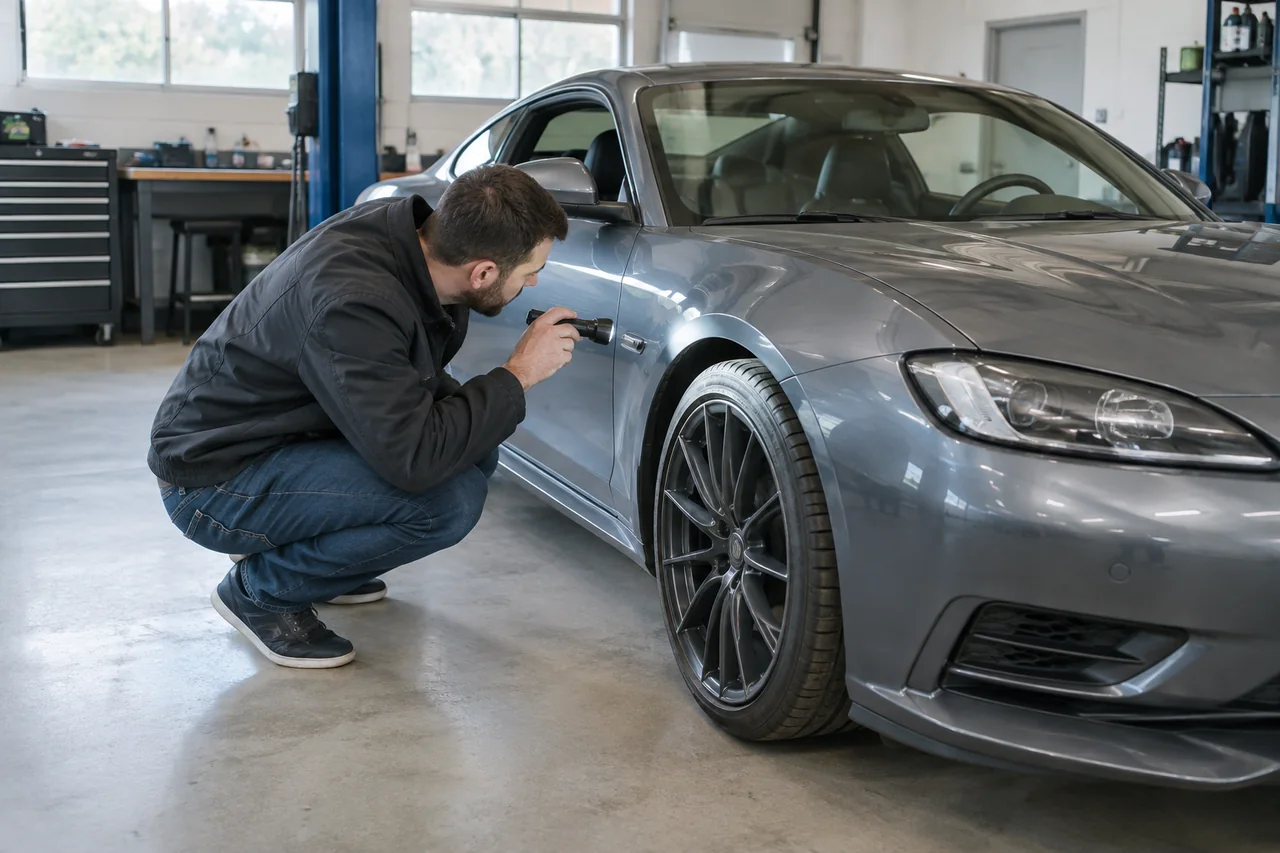
Buying a used sports car often means evaluating the way a previous owner actually used the vehicle, not just reading the odometer. Performance machines invite spirited driving, occasional track days and personal modifications, so identical mileage between two examples can hide very different mechanical realities. A slower inspection that documents hard use and incomplete upkeep helps you predict costs before signing paperwork.
Why Buying a Used Sports Car Calls for a Closer Inspection
Sports cars are engineered for repeated hard acceleration, heavy braking and high cornering loads, which accelerates wear on items that stay fresh far longer in ordinary sedans. A car with 40,000 miles can need a clutch, dampers and brake rotors while a commuter at the same mileage would not. Owner habits such as cold-start thrashing, short trips and delayed oil changes leave damage that no numeric service interval fully captures.
Storage conditions and driving style shape a performance car as much as age. Cars parked outside through winters can develop corroded fasteners and brittle rubber, while a meticulous owners example may be weekend-only and fully warmed up before use. Research your target model through reputable owner forums and independent service specialists to learn which failures appear at what mileage, because even a thorough inspection cannot eliminate every future surprise.
Reading Tires, Brakes, Clutch and Drivetrain for Signs of Hard Use
Walk around the car and inspect each tire with a tread depth gauge and flashlight. Inner-edge wear can indicate aggressive negative camber or worn control-arm bushings, while center wear often points to overinflation. A single tire that is newer than the others may hide a past blowout or pothole impact. No single pattern proves abuse, but a mixed set of cheap all-seasons on a car that came with summer performance rubber suggests cost-cutting ownership.
Through the wheel spokes, look for deep scoring or a mirror-like groove on the rotor faces, and note whether pads appear thick and even from side to side. Mismatched calipers, drilled rotors added later or obvious fluid leaks at the lines are worth mentioning to your mechanic. On a test drive, a clutch that engages only near the top of pedal travel or shudders during takeoff may be worn, while a manual gearbox that resists downshifts into second gear or emits a whine under load deserves a specialist diagnosis.
Identifying Aftermarket Modifications and Judging Their Impact
Open the hood and look for parts that appear newer or cleaner than their surroundings, such as an intake pipe without factory markings, an aftermarket exhaust with visible welds, or nonstandard coil springs and adjustable dampers. A boost gauge, wideband oxygen sensor or aftermarket blow-off valve can hint at added turbo pressure or engine tuning, even if the original engine cover is still in place.
Ask the seller for receipts listing every changed component, who installed it, and whether the original parts were kept. Tunes in the engine control unit often leave no visible evidence, but they can alter fuel mapping, emissions readiness and long-term durability. A shop familiar with the platform can read calibration IDs and sometimes detect non-factory software. Because modified cars can be denied coverage after a claim, you should tell your insurer exactly what has been changed before binding a policy.
Spotting Track Use, Accident Repair and Abuse in the Body and Interior
Run your eyes along each panel gap where the hood meets the fenders, the doors meet the quarter panels, and the trunk meets the rear body. Factory gaps are consistent in width; a gap that tightens on one end or a door edge that sits proud often means the panel was removed or repaired. Look under the hood and inside the trunk for overspray on rubber seals or bolts with chipped paint from being turned.
Inside, a bolsters left-side cushion that is crushed flat, a steering wheel rim worn smooth at the nine and three positions, or a shift knob with missing leather can suggest far more entry and exit cycles than the odometer claims. Rubber marbles stuck behind the wheel arches, a film of brake dust baked onto the calipers, or harness mounting points welded into the floor may indicate track use, though similar clues can come from spirited canyon driving or simply neglected cleaning. Deep scrapes on the front splitter or bent underbody braces require a lift to inspect properly.
Service Records, Vehicle History and the Pre-Purchase Inspection
A meaningful service history contains dated invoices from identifiable shops, not handwritten notes without parts numbers or mileage. Regular oil changes alone do not prove the differential fluid, transmission oil, brake fluid and coolant were ever replaced. Receipts for clutches, water pumps or valve adjustments are reassuring, but a gap of several years with no documentation should make you ask why the owner skipped upkeep.
Enter the VIN into the manufacturer and government recall lookups rather than relying on a sellers word. A vehicle history report can flag salvage titles, reported collisions and ownership transfers, but it cannot see accidents that were never reported, dealer warranty work, or mechanical failures repaired out of pocket. An independent pre-purchase inspection by a make specialist, including a compression test or leak-down test where appropriate, is the best way to find internal engine wear before you own it. If a seller refuses to let your shop put the car on a lift, treat that as a red flag.
Insurance, Running Costs and Budgeting for Ownership
Call at least two insurers with the exact VIN before you agree to buy, because performance versions of ordinary models can carry dramatically higher premiums for young drivers or urban garaging. Some companies refuse vehicles with track-day history or specific modifications, while others may require an appraisal. Registration fees, annual property tax in some states and emissions testing costs also vary with engine size and model year.
Budget for the parts a sports car actually consumes. Staggered summer tires wear faster than all-seasons and cannot be rotated in the usual pattern; performance brake pads and rotors cost more than economy replacements; a specialist independent shop will charge more labor per hour than a franchise chain. Setting aside a repair reserve equal to several months of payments helps you handle a failed water pump or leaking strut without turning a fun purchase into financial stress.
Test Drive Checks and Knowing When to Walk Away
If possible, arrive before the seller has warmed the engine, because a cold start can reveal piston slap, timing chain rattle or a lazy starter that hides once the oil is hot. Let the engine idle for a minute while you watch the exhaust for white smoke or blue oil haze, and check that the check-engine light illuminates when the key is turned and then goes out. A seller who always has the car warm and running when you arrive may be masking a cold-start fault.
During the drive, hold the steering wheel lightly on a straight road to feel for pulling, and brake gently from about 40 mph to detect shimmy in the wheel or pedal. Shift through every gear including reverse, and note whether the transmission crunches or the engine stumbles under full throttle. Any illuminated warning light, stored diagnostic code or odd smell should be scanned and interpreted by a technician who understands that a code points to a circuit or condition, not necessarily a failed sensor. Missing title paperwork, a seller who pressures you to decide, or any refusal of your inspection request are reasons to walk away without guilt.