Buying a Used Engine for Your Car: Where to Look and What to Check
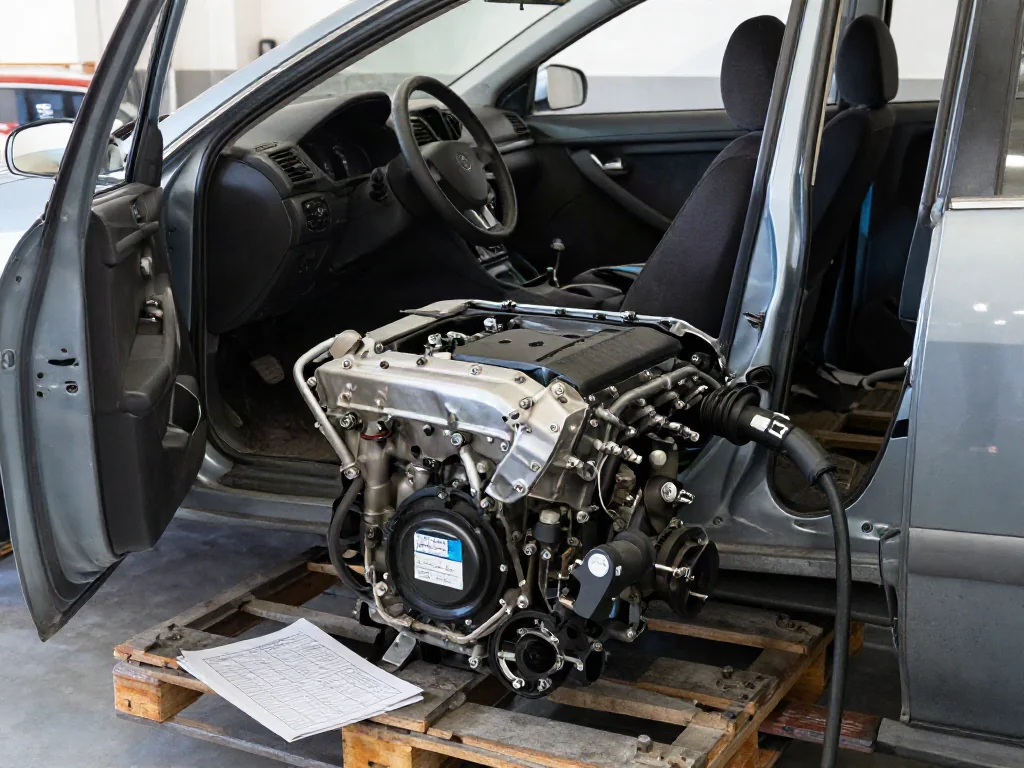
A used engine for a car can return a sound vehicle to service, but buying a used car engine is a parts purchase, not a completed repair. Confirm the assembly you need, find a seller with traceable inventory, prove compatibility, review mileage and condition evidence, and read the used car engine warranty before you pay.
Define the Engine Assembly Your Car Needs
Sellers use used engine, salvage engine, long block, and complete engine assembly in overlapping ways. A long block typically includes the cylinder block, crankshaft, connecting rods, pistons, cylinder head, and related internals, while a complete assembly may add the intake, exhaust manifolds, sensors, or even the wiring harness. Because those lists are not standardized, the written inventory of included components is the only reliable description. Record your car's VIN, model year, engine identification code, and equipment such as transmission type, emissions package, and accessories before you request a used engine for your car.
Have a qualified shop confirm that engine replacement actually addresses the diagnosed problem before you buy a used car engine. Misfires, oil consumption, and overheating can originate in the cooling system, fuel delivery, ignition, or a control module rather than the long block, and a fault code is evidence to interpret, not proof the engine has failed. Confirm with the seller whether accessories, wiring, control modules, mounts, sensors, and the oil pan travel with the engine. Missing items can stall installation even when the core assembly is otherwise suitable.
Find Sellers With Traceable Engine Inventory
Where to buy a used car engine includes automotive recyclers, salvage yards, dedicated engine suppliers, online marketplaces, and repair shops that arrange the purchase. Recyclers often pull a salvage engine from a known donor and can quote a stock number; marketplaces may list engines from mixed sources. Identify the actual seller, the inventory location, business contact information, and the party responsible for warranty claims, because the listing site is not always the warrantor. Ask where you can buy a used engine for your car that can be inspected or photographed before freight delivery.
When you buy a used car engine, request a stock number, donor vehicle VIN and details, photographs of the actual engine, and written sale terms before you order. Clarify who handles freight delivery, what unloading equipment the receiving shop must provide, how shipping damage claims are filed, and whether a core return is required. A core is the old engine or equivalent assembly you send back so the seller can recoup residual value; missing or incomplete cores can trigger a charge. Get those logistics in writing so the purchase does not stall on the dock.
Confirm Compatibility Before Paying
Require both the seller and the installer to confirm compatibility using the recipient vehicle's VIN, engine identification code, and documented application information. Matching displacement or a familiar model name does not establish fit, because the same family can differ by emissions calibration, sensor layout, intake design, or mounting. How to buy a used car engine starts with that VIN-level match, not a catalog nickname. Ask the installer to verify emissions configuration, electronics, transmission interfaces, mounting details, and accessory drive requirements against the engine you intend to purchase.
Put the promised fit, supplied components, permitted substitutions, and the remedy for an incorrect engine in writing before you pay. If the seller substitutes a close application, the installer still needs to confirm harness connectors, engine mounts, flywheel or flexplate pattern, and accessory brackets. Installing the wrong used engine can require extra parts, extra labor, or a full return. Written terms should state who pays freight on a mismatch and how quickly a replacement or refund is processed so the car is not left without a powerplant.
Check Mileage, Donor History, and Condition Evidence
What to look for when buying a used car engine includes documented mileage, donor history, and condition evidence, not a photograph alone. Documented mileage is more credible when the donor vehicle VIN, dated odometer records, and service history can be compared, yet those files can still miss a prior engine swap. Ask why the vehicle was dismantled and whether flood exposure, fire, collision damage, overheating, or extended storage is noted. A salvage engine from a rear-end collision may be mechanically sound, while heat or water exposure can leave internal damage that photographs do not show.
Safe exterior observations include visible cracks, corrosion, damaged connectors, leaks, and uncovered openings, but they cannot prove internal wear. Request dated compression test results or a leak-down test with the test conditions and the specifications the tester used; a qualified person must interpret those numbers, and neither test establishes every aspect of engine health. A documented running video or professional inspection can show that the engine starts, idles, and holds oil pressure at that moment. Neither guarantees future reliability after freight, storage, and installation.
Read the Used Engine Warranty and Return Terms
A used car engine warranty varies by seller and may provide repair, replacement, or a refund for qualifying defects; the written agreement controls. Some warranties cover only the long block internals, while others include limited accessories. Identify whether diagnostic work, removal, reinstallation, freight, fluids, and incidental expenses are covered or excluded, because those costs often exceed the claim credit. Ask how to buy a used engine for a car with claim authorization that does not require you to disassemble first without written approval.
Check coverage duration, any mileage limit, the start date, installation requirements, documentation obligations, and claim authorization procedures. Coverage may begin at shipment, delivery, or installation, and some sellers require a professional installer and retained oil samples or photos. Distinguish an engine warranty claim from a return for incorrect fit, shipping damage, or a canceled project; those paths can have different deadlines and restocking or freight fees. Read both the warranty and the return policy so the claim is filed under the correct process.
Document the Purchase and Plan the Delivery Inspection
Build a final purchase checklist covering engine identity, compatibility confirmation, mileage evidence, condition reports, included parts, and written warranty terms. An itemized quote should show applicable freight, the core deposit, taxes, and installation charges as line items without treating any figure as a market listing. A shop can buy a used car engine from several channels, but the paperwork must identify the same unit you reviewed. Keep the stock number, donor VIN, and engine identification code together so the receiving shop can match the crate to the order.
Arrange freight delivery with the receiving shop and have qualified personnel handle unloading and inspection. Document visible damage, missing components, and identification discrepancies promptly, before the engine is uncrated into the shop and mixed with other parts. Retain the listing, invoice, seller correspondence, test reports, delivery photographs, and installation records; those files support a core return, a shipping claim, or an engine warranty request. Buying a used car engine ends at the dock only if the delivered assembly matches the written order and the shop is ready to inspect it.