Buying a Used Electric Car: Is It Worth It and What to Check
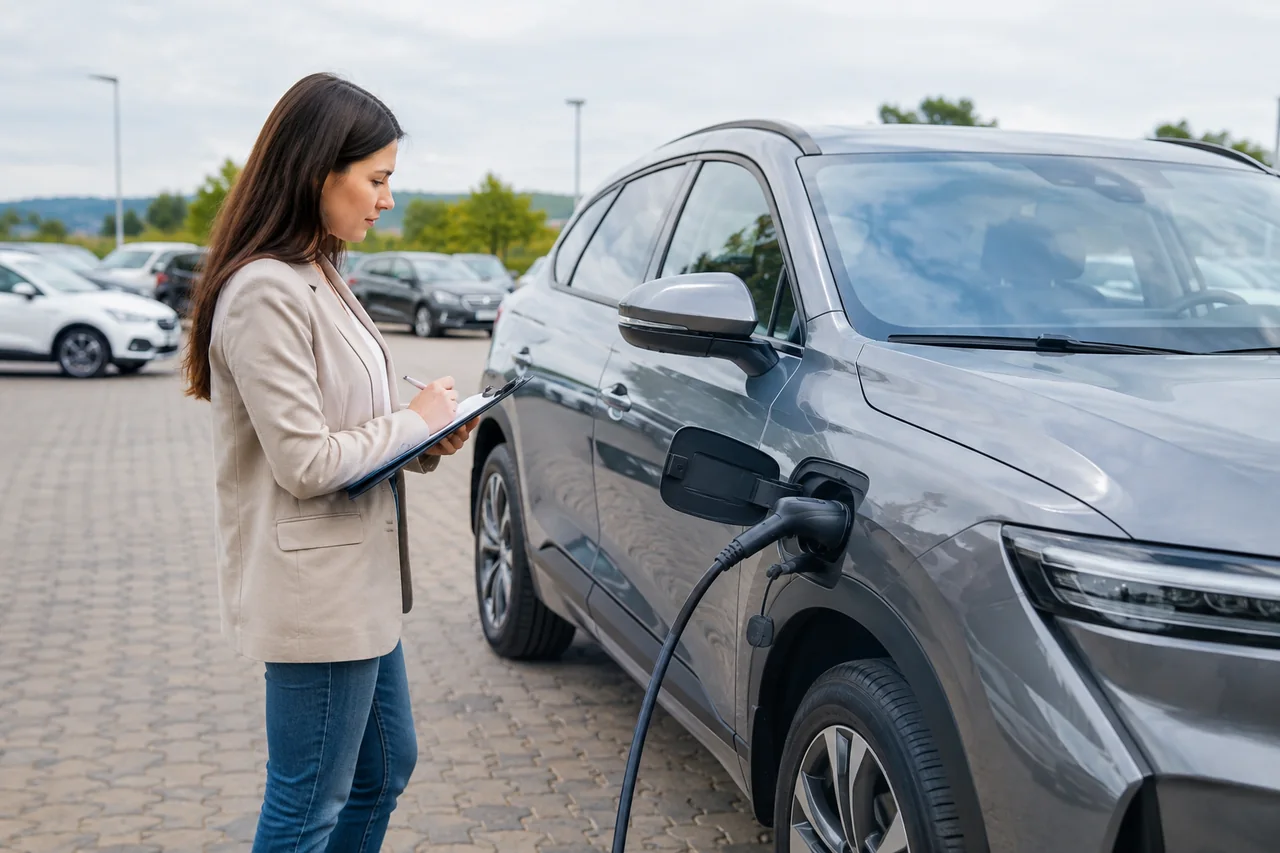
Buying a used electric car can be worthwhile when the vehicle still delivers usable range for your days, charging is dependable, and the remaining battery warranty plus ownership costs fit your budget. Whether it is a good idea depends on the specific car, not the category. What to look for and what to check includes battery health evidence, charging hardware, service records, and a qualified inspection, not a headline price alone.
Decide Whether a Used Electric Car Fits Your Routine
The worth-it decision starts with how you actually drive, not with a used EV as a category. Map typical daily mileage, parking that allows home charging or reliable workplace charging, and how often you take highway trips that would need a public stop. A used electric car is more likely to be a good idea when documented condition, remaining usable battery capacity, and charging logistics already match those days, and the purchase price plus foreseeable ownership costs stay inside a budget you can absorb if repairs are not covered.
Pause if battery state of health is undocumented or disputed, if you cannot charge where the car will sit overnight, or if real-world range after a reserve would not cover essential commuting and family trips. Occasional long drives are manageable with DC fast charging along known routes, but they become a problem when those chargers are sparse for your itinerary or the car's remaining range leaves no margin. Whether that used electric car is worth it depends only on that individual vehicle and those circumstances lining up; a similar model in worse condition is a different purchase.
Ask the Seller for Battery, Service, and Ownership Records
When you sit down with the seller, the questions to ask when buying a used electric car should pin down how the vehicle was used, not only how many miles it shows. Ask who owned it, whether it was a commuter, fleet, or ride-service car, how it was typically charged, and whether the high-voltage battery was repaired or replaced. Request any current or past warning messages, including those the seller says were cleared. Ownership history and charging habits give context for wear, but they still cannot prove remaining usable battery capacity on their own.
Ask for service invoices and any battery health report, then check the date, VIN match, testing method, and what the tester says the result cannot show. A recent report from a documented procedure is more useful than an undated percentage on a printout. Confirm what comes with the car, including charging equipment, spare keys, app or account transfer, paid connected features, and whether the pack is owned outright or still under a separate battery lease. Unresolved account locks or a leased battery change both access and residual financial exposure.
Check Battery Health and Establish a Practical Range Budget
Battery state of health is not the same as the charge level on the gauge or the dashboard's estimated remaining miles. State of health describes remaining usable battery capacity relative to a new pack, while the displayed range is an estimate that moves with recent driving, temperature, and accessory load. A credible capacity assessment, dated and tied to this VIN, can show whether the pack still holds enough energy for your planned days. An undocumented percentage or a single screen reading is not enough, because either can be incomplete, outdated, or taken under unrepresentative conditions.
Build a range budget around highway speeds, cold or hot weather, cabin heating or cooling, passenger and cargo load, and a charging reserve so you are not arriving empty. Do not treat a fixed percentage drop as a rule, because energy use varies with the route and conditions. When records are missing, the reported result is unclear, or the car's observed range does not match the claim, arrange a qualified battery assessment. A short test drive cannot measure full usable battery capacity, and a healthy-looking charge session still does not replace that measurement.
Confirm Charging Will Work at Home and on Regular Routes
Confirm the exact vehicle's charging connector, its AC charging capability, whether it supports DC fast charging, and whether any adapter the seller includes is manufacturer-approved for that car. Then check practical access, including a parking space you may legally use for home charging, workplace or destination charging you can count on, and public chargers on the routes you already drive. A car that only charges reliably at a location you cannot use overnight will not fit a routine that depends on waking up ready.
Charging time depends on the vehicle, the equipment, battery temperature, and starting charge level, so advertised peak power does not tell you how long a typical session will take. A cold pack or a high state of charge can slow a DC session well below the peak number on a window sticker. If you plan a home installation, have an electrician assess the panel, circuit, and parking layout before you buy, and inspect any included portable charger for damage, missing parts, and suitability for that connector and circuit.
Use the Inspection and Test Drive to Find Unresolved Problems
During the walkaround, what to check when buying a used electric car includes the instrument cluster for warning messages, tire condition and age, brake pedal feel and any corrosion on visible hardware, climate controls, charging-port latches and seals, and body or underbody impact damage. Stay outside high-voltage components: do not probe exposed wiring or open battery enclosures. Persistent warnings, including manufacturer-dependent diagnostic codes, are evidence to interpret, not proof that a particular part has failed, and they still need vehicle-specific confirmation before anyone replaces hardware.
On a normal test drive, listen for unusual noises, feel for vibration or power interruptions, note regenerative and friction braking behavior, and confirm heating and air conditioning actually operate. With the seller's permission, request a normal charging demonstration on appropriate equipment; a successful session shows the port and onboard charger can accept power that day, not that battery state of health is adequate. Arrange an EV-qualified prepurchase inspection for fault diagnostics and for the battery enclosure, cooling system, and other parts you cannot see. Impact damage or warnings that return after a reset need professional evaluation before you commit.
Verify Warranty Coverage and Set a Complete Ownership Budget
Confirm remaining coverage for this VIN using the original in-service date, current mileage, transfer conditions, and exclusions in the written terms. Battery warranty language often separates defect coverage from capacity-loss coverage, and the capacity threshold plus any required testing procedure matter as much as the calendar years remaining. A transferred policy that still covers the pack can reduce financial exposure; a lapsed or non-transferable policy leaves you paying if a later claim is denied. Manufacturer-dependent terms need confirmation for this vehicle rather than an assumption based on a similar model year.
Set a complete ownership budget that includes electricity, a possible home charging installation, insurance, registration, tires, routine maintenance, connected-service subscriptions, and repairs the warranty will not cover. Avoid treating the purchase price as the full cost of buying a used electric car. The purchase is easier to justify when inspection findings are acceptable, battery evidence is credible, remaining real-world range covers your days with a reserve, home charging and route charging are workable, coverage is verified, and those ownership costs stay affordable. If any condition fails, walk away from that car.