Buying a Used Car With Accident History: What to Check
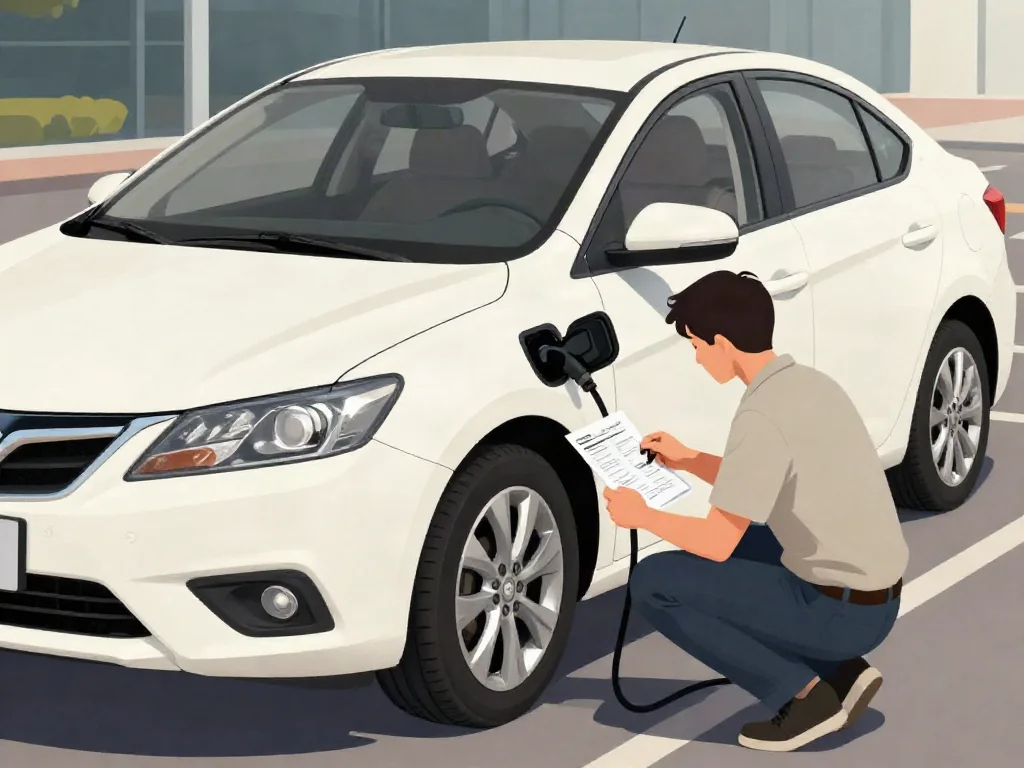
Buying a used car with accident history can feel risky, but it doesn't have to be a dealbreaker. Accidents range from cosmetic scratches to serious structural damage, and a vehicle history report rarely tells the whole story. Understanding what to check—title brands, repair quality, airbag status, and frame integrity—helps you decide if the price matches the car's true condition. A careful inspection and the right questions can turn a questionable listing into a confident purchase.
What Accident History Really Means on a Used Car Listing
A single line on a vehicle history report says little about severity. The same phrase could describe a dented bumper or a bent unibody. Reports often lack details because many accidents never appear—repairs paid privately or handled without an insurance claim never make it into databases. That means a clean report isn't a guarantee, and an accident record only tells you to look deeper.
Branded titles like salvage, rebuilt, or reconstructed carry meaning that varies by state. Salvage usually means an insurer declared the car a total loss, while rebuilt indicates it was repaired and passed a state inspection to return to the road. Since wording and requirements differ, contact your state DMV for exact definitions. An accident record doesn't automatically rule a car out, but it should prompt a closer inspection of repair quality and structural soundness.
How to Read a Vehicle History Report for Damage Clues
A vehicle history report is a starting point, not a final verdict. Focus on fields like damage severity notes, the area of impact, and any airbag deployment flag. If the car was declared a total loss, that's a major clue the damage was extensive. Look for gaps: mileage that suddenly drops, a title that moved between states in months, or several owners in a short period can indicate problems were hidden.
Reports can't tell you how well a car was repaired or whether factory or aftermarket parts were used. A cheap repair might look fine for now but fail later. Always compare the VIN on the report with the VIN on the dashboard, door sticker, and title paperwork. Mismatches suggest fraud or unrecorded damage. If the report shows an accident, don't just accept it—use it to guide your physical inspection.
Visual Signs of Repair Quality You Can Check on a Walkaround
Start with a walkaround in good light. Uneven panel gaps—spaces between fenders, doors, and hood that differ side to side—can signal poor alignment after repairs. Paint mismatch, where one panel is slightly lighter, darker, or has more orange peel texture, suggests respraying. Run your eyes along body panels for wavy reflections, which often indicate body filler. Look for overspray on rubber seals, trim, or headlights, a common sign of a quick paint job.
Open the doors, hood, and trunk. Check bolt heads for tool marks—scratches or chipped paint mean panels were removed. Misaligned latches, seals that don't match, or doors that need extra force to close can point to shifted structure. Look at headlights, glass markings, and wheels; a newer headlight on one side or mismatched tire brands may suggest impact. These clues show where to look more closely, not proof of bad work, and a clean walkaround doesn't rule out hidden damage.
Structural Damage, Airbags and Safety Concerns
Damage to the frame, unibody, or crumple zones matters more than cosmetic issues because these parts absorb crash energy and protect occupants. If they were bent and improperly repaired, the car may not protect you in a future collision. On a test drive, notice if the car pulls to one side on a flat road, if tires wear unevenly, or if you hear clunks over bumps—these can indicate alignment or structural problems, though they don't prove a specific cause.
An airbag warning light that stays on or a history of airbag deployment demands professional confirmation. Airbag modules, sensors, and wiring must be correctly restored after a crash, and even a small mistake can mean they won't fire when needed. Do not attempt to disassemble panels, lift the car, or work on airbag components yourself; these systems can be dangerous and require specialized tools. Leave structural and restraint checks to qualified technicians.
Why a Pre-Purchase Inspection Matters After an Accident
An independent pre-purchase inspection by a shop the seller didn't choose is the smartest money you'll spend on a used car with accident history. A mechanic or body shop not tied to the sale has no reason to hide problems. They can put the car on a lift and check things you can't from the driveway, giving you an unbiased assessment of whether the repair was done correctly and what might fail next.
A thorough inspection might include a frame and alignment check, a paint thickness reading to find hidden body filler, a diagnostic scan for stored trouble codes, and a restraint system check. Scope varies by shop, so ask what's covered. If the report shows moderate or severe damage, a body shop is especially valuable—they can assess repair quality, panel alignment, and structural integrity. A seller who refuses an inspection is a meaningful warning sign; walk away.
How Accident History Affects Price, Insurance and Resale
Accident history and branded titles usually lower market value because buyers fear hidden problems. The discount should reflect the severity of the damage and the quality of the repair—a minor fender bender with receipts is less concerning than a rebuilt title from a flood. Without specific percentages, know that the lower price you pay now will likely carry over when you sell, meaning you won't recoup the discount.
Some insurers and lenders treat branded-title cars differently. You may pay higher premiums or struggle to get comprehensive coverage; some lenders won't finance a salvage or rebuilt title at all. Contact your insurance company and bank before committing. Weigh the savings against the possibility of future repairs and a harder resale. If the price is only slightly below a clean-title car, it may not be worth the extra risk.
Questions to Ask the Seller and When to Walk Away
Ask the seller direct questions: What happened? Which areas were damaged? Who did the repair? Did it go through insurance? Do you have repair invoices? Pay attention to how they answer—evasive or vague responses are a red flag. Repair records are gold; they show the work done, parts used, and any post-repair alignment or calibration. A seller with detailed documentation is more trustworthy than one with only a story.
Walk away if you find evasive answers, missing paperwork for major damage, unresolved warning lights, or inspection findings on structural parts like the frame or unibody. Get the seller's statements in writing—a simple note describing the accident and repairs can protect you later. Read any as-is terms carefully before signing; in many states, as-is means the seller has no obligation after the sale. If anything feels off, trust that feeling and keep looking.