Buying a Used Car From a Private Seller: Steps and Checklist
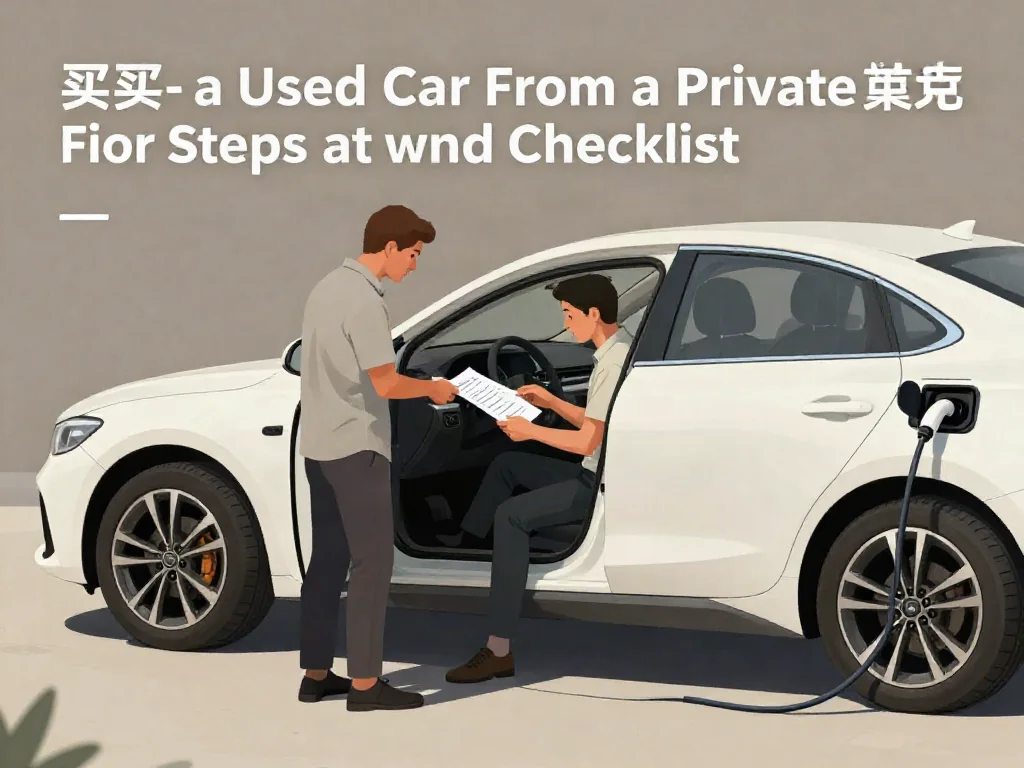
Buying a used car from a private seller puts more of the verification work on you than a dealer sale. A private-party purchase can still be orderly if you treat it as a sequence: contact the owner, check identity and title, inspect the vehicle, agree on terms, pay through a verifiable method, then complete the paperwork handoff. Planning those steps before you commit money reduces rushed deposits and incomplete documents.
Map Out the Purchase Before Committing Money
The process of buying a used car from a private party starts with the listing and a conversation with the owner, not with a payment. After you confirm the car still exists and the advertised details match, you verify seller identity and title, arrange an independent inspection, then agree on price and conditions. Only after those checks should funds move and keys change hands. Skipping ahead to a closing date because the seller is in a hurry is how buyers lose leverage and later discover missing paperwork.
Set a total spending limit that covers more than the asking price. A private sale still brings inspection fees, possible transaction costs, insurance before you drive away, and any immediate maintenance the inspection flags. Arrange those funds and book the inspection appointment before you promise a pickup day, and resist a deposit demanded under time pressure. Keep the listing and written messages so you can compare the vehicle description, the seller's statements, and the final agreed terms if something later conflicts.
Ask the Owner About History, Maintenance, and Known Problems
Questions to ask when buying a used car from the owner start with ownership, not the price. Ask how long the seller has owned the car, why they are selling, how it has been used, and who normally drives it. Those answers frame later claims about mileage and wear. Follow with collisions, flood exposure, major repairs, warning lights, recurring symptoms, modifications, and known defects. An individual who cannot describe daily use or who changes the story between messages and the meeting is giving you a reason to slow down.
Request maintenance records and ask what work is still outstanding. Receipts, shop invoices, and dated service notes are stronger than verbal assurances that everything was just done. Distinguish documented work from memory, and note gaps that leave you guessing about major services or wear items. Confirm that the private owner will allow an independent pre-purchase inspection and a test drive, and that you will have a valid license and insurance arrangement for that drive. A refusal to allow either is a practical reason to walk away.
Verify Seller Identity, Ownership, and Title Before Payment
Title verification and seller identity checks belong before any payment, including a deposit. Compare the owner's identification with the name on the title and other ownership papers, then match the vehicle identification number on the car to the title and any records you have. Unexplained name differences, missing documents, altered entries, or pressure to accept an unsigned or incomplete title are reasons to pause. Buying a used car by owner only works if the person in front of you can actually transfer ownership.
Look for disclosed title brands and outstanding liens, and treat a vehicle history report as supporting evidence that can still have gaps. Salvage, flood, or rebuilt notations, or a history that does not match the seller's story, call for more questions rather than a rush to close. If a lender still holds the title or a lien remains, confirm the payoff and lien release process directly with that lender before sending money. Do not rely on the seller's summary of what the bank will do after you pay.
Meet Safely and Arrange an Independent Inspection
When buying a used car from a private party, meet in a well-lit public place during daylight, bring a companion when practical, and do not carry a large cash payment to the first viewing. At the car, look at body condition, tire wear, visible leaks, cabin controls, and dashboard warnings without dismantling parts or crawling underneath. During an agreed test drive, watch starting, braking, steering, shifting, unusual noises, and temperature indications. Stop safely if the car feels unsafe to continue.
A professional pre-purchase inspection can check systems a walk-around cannot, including wear that is not obvious from a short drive. A clean vehicle history report and a brief test drive do not establish mechanical condition, because history databases miss some events and a short loop can hide overheating, weak brakes, or intermittent faults. Use unresolved symptoms, denied inspection access, or inconsistent seller statements as reasons to pause or leave. What to look for when buying a used car privately includes the seller's willingness to let a shop examine the car.
Agree on Terms and Coordinate a Verifiable Payment
Record the agreed price, included items such as spare keys or floor mats, and any conditions before arranging payment. Cash, cashier's checks, and bank transfers each carry different risks, and none is automatically safe. Coordinate with the relevant bank or lender using contact details you confirm independently, not a number the seller texts at the last minute. Screenshots and emailed confirmations are not proof that funds have cleared or that a check is genuine, so wait for the institution to verify status.
Buying a used car with PayPal is not a shortcut around those checks. Look up current vehicle-transaction eligibility and protection terms for that service, and do not assume purchase protection covers a private-party car. Coordinate payment with verified ownership documents and the vehicle handoff so money and keys move together. Avoid advance transfers prompted by urgency, and refuse unexplained third-party payment requests that send funds to someone other than the named owner on the title.
Complete the Paperwork and Final Handoff Checklist
A checklist when buying a used car from a private seller should cover identity and VIN checks, ownership and lien documents, inspection results, agreed terms, verified payment, and possession. Ownership-transfer documents, a bill of sale or receipt, and any required odometer disclosure record who sold the car, for how much, and at what mileage. Check names, VIN, price, date, and signatures for accuracy before anyone leaves. Incomplete or mismatched entries are a reason to delay the handoff rather than sort them out later.
Collect keys, remotes, service records, included accessories, and copies of the completed transaction documents before you leave. Confirm insurance and applicable registration, plate, and transport requirements before driving away, because a private sale does not automatically put the car on your policy or plates. Keep the payment record and signed paperwork together so you can show price, mileage, and what was included. Arrange follow-up attention for issues the inspection already identified rather than waiting until the first long trip.