Buying a High-Mileage Car: Model Research and Essential Checks
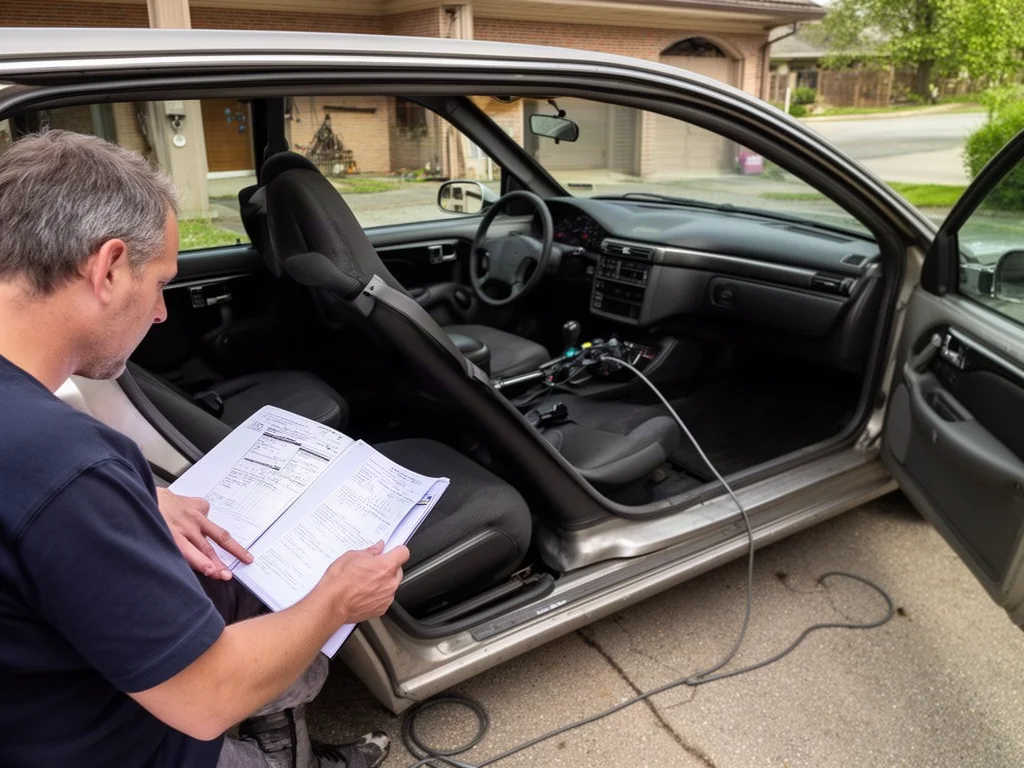
Buying a high mileage car is less about chasing a headline number and more about judging how that mileage was accumulated, recorded, and maintained. Shoppers hunting for the best high-mileage used car still need a model that matches their driving, a readable service file, and a budget that can absorb repairs. Mileage alone does not name the best used car with high mileage; the listing in front of you does.
What High Mileage Can Tell You About a Used Car
An odometer reading records accumulated use, not remaining service life. Two cars with similar mileage can be in very different mechanical condition depending on climate, highway versus stop-and-go duty, storage, and whether oil, fluids, and wear items were actually serviced. Buying a car with high mileage therefore starts with context: how the vehicle was driven, how it was stored, and whether the seller can show that the engine and transmission were treated as scheduled work rather than ignored until something failed.
There is no universal mileage cutoff that separates a sound used car from a risky one. Age matters as much as distance: a short-trip car that sat for long stretches can age seals, batteries, and brake hardware even when the odometer looks modest. Before shopping, set your expected annual driving, how long you plan to keep the car, and how much deferred maintenance or unexpected repair you can actually fund. Those limits decide whether a high-mileage listing is a practical purchase or a gamble you should skip.
Service Records That Make the Car’s History Traceable
Traceable history is built from dated maintenance records, not from a seller's memory. Collect receipts, inspection stickers, dealer invoices, and vehicle history report entries, then line them up against odometer history so each event has a date and a mileage. That timeline should show oil services, brakes, tires, coolant, and other scheduled items in a pattern that roughly follows the manufacturer's schedule for that exact vehicle. Do not invent intervals; confirm what the maker specified for the model year, engine, and transmission sitting in front of you.
Major work deserves the same paper trail. Look for itemized invoices that name the diagnosis, the repair date, the mileage, the parts used, and any transferable warranty terms that would follow the car. A vehicle history report can flag title brands, reported accidents, and some odometer readings, but it cannot establish present mechanical condition or prove that maintenance was done. Missing paperwork does not automatically mean the car was neglected, yet it does raise uncertainty, because the next owner of a high-mileage car inherits whatever was skipped.
How to Research Models With Evidence of Long Service
People looking for the best car for high mileage often start with familiar names such as the Toyota Corolla, Toyota Camry, Honda Civic, and Honda Accord. Those models are reasonable research starting points because many examples have remained in daily use, but a model name is not a reliability ranking and does not guarantee longevity. Any durability claim has to name the relevant model year, generation, engine, and transmission. A later redesign, a different automatic, or a particular engine family can change service needs even when the badge stays the same.
A surviving high-odometer example is not proof that a similar listing will last. One well-kept car does not establish typical lifespan, and it cannot predict rust, leaks, or shift quality on the car you are considering. Practical ownership checks matter as much as reputation: confirm that a shop near you can service that exact vehicle and that parts are actually available, not merely theoretically listed. Anyone hoping to find the best car with high mileage still needs the example they can keep on the road with local knowledge, parts, and a realistic repair budget.
Safe Checks During a Viewing and Test Drive
A viewing starts on the ground, not under a hoist. Walk around for visible leaks, cracked or damaged tires, uneven wear, structural rust, bubbling paint at seams, and signs of water intrusion such as damp carpets or fogged lamps. Appearance can hint at problems, but it cannot establish how deep corrosion goes or how badly a leak has progressed. With the seller's permission, watch a cold or cooled start, note dashboard warnings, listen for unusual noises, and look for persistent exhaust smoke without treating any of those observations as a diagnosis.
On a legal, ordinary test drive, pay attention to steering pull or play, braking feel, how the transmission shifts, vibration through the wheel or floor, and any temperature warning. If the car behaves unsafely, stop in a safe place and end the drive. Check lights, wipers, defroster, and other essential equipment, then write down every concern for a later prepurchase inspection. Do not lift the car, open hot fluid systems, or attempt repairs at the curb. Buying a car with high mileage is an evaluation, not a roadside teardown.
What to Request From an Independent Prepurchase Inspection
Ask a qualified shop that actually works on the make and generation to perform an independent prepurchase inspection. Request a look at structural condition, brakes, suspension, leaks, and engine and transmission operation under ordinary conditions. When it is appropriate, have the shop scan for stored and pending fault codes. A code is evidence to interpret, not proof that a part has failed, and manufacturer-dependent codes need vehicle-specific confirmation plus supporting tests. Do not treat a printout as a parts list.
Have the inspector say which symptoms, if any, justify additional testing, and get the seller's authorization before that work is scheduled. Not every car needs invasive follow-up. Request written findings that separate immediate safety needs, documented maintenance that is overdue, and unresolved concerns that still lack a confirmed cause. That report is a snapshot, not a warranty. Even a promising high mileage used car can need work after purchase, because an inspection cannot guarantee how the next several thousand miles will go.
Decide Whether the Individual Car Fits Your Budget
The right used car is the one whose ownership costs you can actually carry. Build a purchase budget that includes taxes, registration, insurance, identified repairs, overdue maintenance, and an allowance for uncertainty. Do not treat the asking price as the full cost of buying a high-mileage used car. Compare that budget against the service records and inspection findings: if the listing cannot cover your commuting, cargo, or reliability needs without stretching the repair budget, it is not the best car with high mileage for you, no matter how well-known the model is.
Pause or walk away when ownership is cloudy, when odometer history does not match receipts, when structural rust or crash damage remains unexplained, or when the seller refuses an independent inspection. Keep any offer conditional on satisfactory documentation and a completed prepurchase inspection, and obtain written repair estimates before you commit. Buying a car with high mileage can still make sense when the paper trail, the inspection, and the remaining budget line up. When they do not, the cheapest path is the listing you decline.