Buying a Cheap Used Car Under $5,000: What to Look For
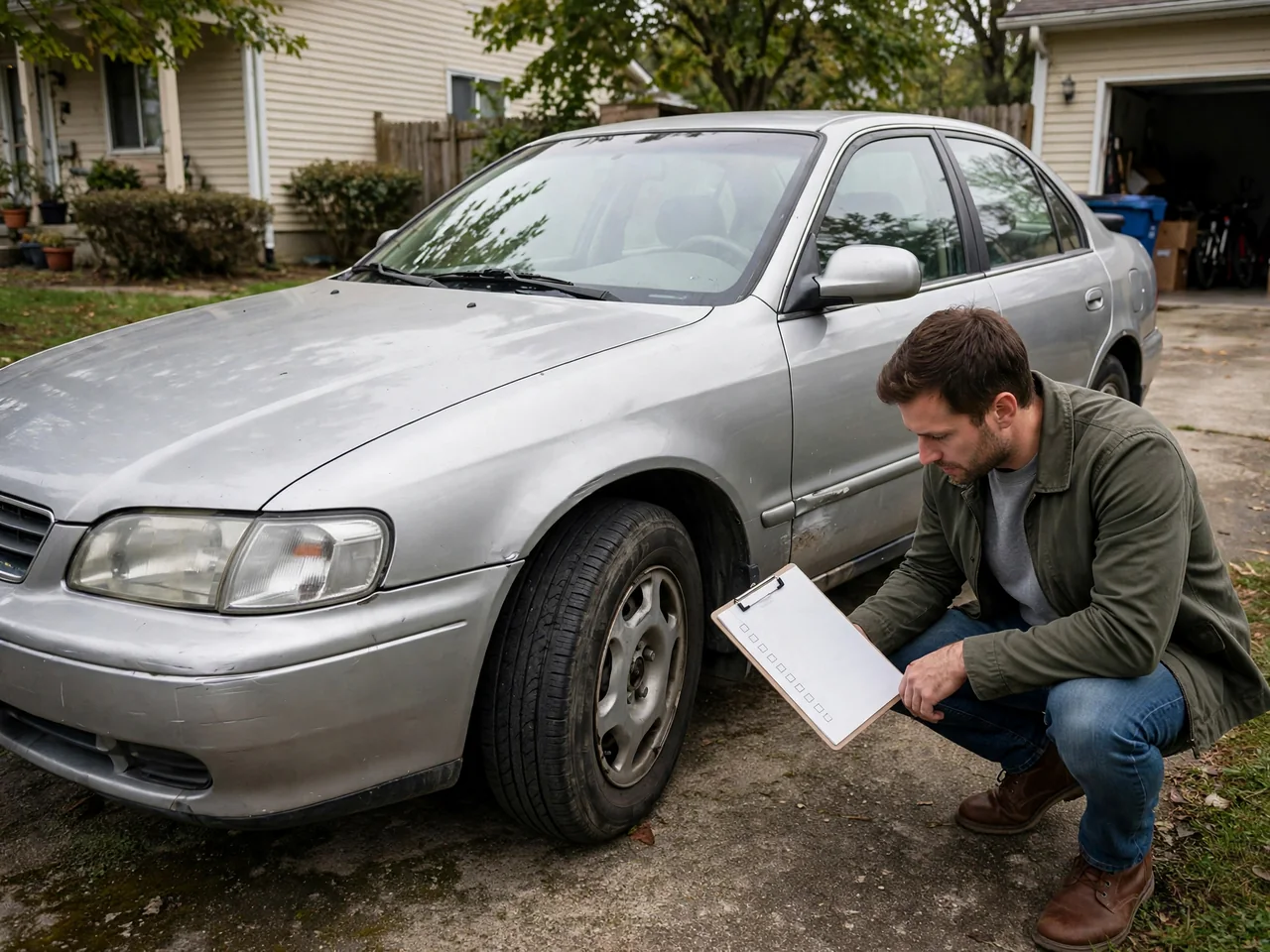
Buying a cheap used car under five thousand dollars is possible, but the low price is not proof the vehicle is ready for daily use. What to look for when buying a cheap used car starts with mechanical condition, documented ownership, and a total purchase budget that still leaves a repair reserve. Cosmetics can wait; unresolved safety problems, structural rust, and missing paperwork should not.
Set a Purchase Limit That Leaves Room for Repairs
When buying a used car under 5000 dollars, decide first whether that figure is only the advertised price or the entire amount you can spend. Taxes, title and registration fees, insurance, and a prepurchase inspection all reduce what you can safely offer. If those costs are paid from the same pile of cash as the car, an attractive listing can still leave you unable to register it or to address problems found later. Set the offer ceiling after those known extras are subtracted.
Keep a separate repair reserve rather than spending every remaining dollar on the vehicle itself. Its size should follow what an inspection later reveals and how much unexpected expense you can absorb without losing transportation. At this price, expect age, higher mileage, cosmetic wear, and incomplete maintenance records; none of those automatically disqualify a car, and a low asking price does not prove the mechanical condition is acceptable. Treat the budget as a total purchase budget, not a permission slip to ignore obvious risk.
Screen Listings and Sellers Before Visiting
Before you travel to see a listing, define what the car must actually do. Passenger capacity, commute length, highway use, and how much downtime you can tolerate should shape which ads are worth a visit. A cheap used car that cannot carry your household or that sits for weeks after a breakdown is not a bargain. Asking about ownership, why it is being sold, known problems, recent repairs, and available maintenance records also weeds out sellers who cannot describe the vehicle they are offering.
Confirm the seller can document authority to sell and that the vehicle identification on the car matches the vehicle title and related paperwork. Mismatched names, missing title documents, or a story that the owner is unavailable are reasons to pause, not to hurry. Evasive answers, pressure to pay a deposit before you have seen the car, or a refusal to allow an independent prepurchase inspection are stronger signals. Those tactics often hide lien issues, salvage history, or problems the seller does not want a mechanic to find.
Check Mechanical Condition and Safety in Daylight
Inspect in daylight with the car parked on level ground, and stay outside the engine bay until surfaces are cool. Walk around for tire damage, uneven wear, and cracked sidewalls, then look along body edges for wet spots that suggest fluid leaks. Check glass in the driver's view, confirm exterior lights are intact, and tug seat belts so they latch and retract. Faded paint can wait; suspected structural rust, damaged tires, or unresolved safety concerns need professional assessment.
Have the seller start the engine while you watch from a safe distance. Note slow cranking, knocking, smoke, or dashboard warning lights, but treat those observations as questions for a mechanic rather than a diagnosis. A warning light is evidence that a system needs interpretation, not proof a specific part has failed. Inside the cabin, try accessible controls, look for damp carpet or a musty odor that can indicate water intrusion, and skip dismantling, touching hot parts, or crawling under the vehicle.
Use a Safe Test Drive to Identify Questions
Do not drive until you have permission, understand whether insurance would cover you, and can see that the car looks roadworthy enough for public roads. Skip the test drive if steering play, bald tires, leaking brake fluid, or a warning that suggests a serious fault is already visible. On a legal, ordinary route, observe starting, acceleration, shifting, steering, and braking without abrupt maneuvers. You are gathering notes, not proving the car in a way that risks a crash or a roadside breakdown.
Write down pulling to one side, vibration through the wheel or seat, unusual noises, warning lights that appear after startup, and temperature indications that climb quickly or stay unusually low. Those details help an inspecting mechanic focus on the right systems. A short, uneventful drive still cannot establish long-term reliability, especially when buying a cheap used car with unknown service history. If a serious warning appears or the car behaves unsafely, stop in a legal, visible place and end the drive rather than continuing to the seller's preferred destination.
Have an Independent Mechanic Assess the Risks
Pay for a prepurchase inspection by a shop you choose, not one recommended only by the seller. Ask the mechanic to cover safety items, structural condition including rust in load-bearing areas, visible leaks, tires, brakes, and drivetrain concerns raised by the test drive. Request findings grouped by immediate safety needs, work that is necessary soon, and issues that can reasonably wait. That grouping turns a long list of faults into a decision tool, because not every worn bushing has the same urgency as a brake or steering problem.
Obtain written estimates for identified work and ask which findings remain uncertain or need further testing, such as a compression check or a scan of stored diagnostic information. Stored codes still require vehicle-specific confirmation and do not by themselves prove a part has failed. Use maintenance records and a vehicle history report as supporting evidence of past ownership, accidents, and title brands, while remembering that missing events and undocumented repairs remain possible. Paperwork can reduce surprises; it cannot replace what the inspector sees on the lift.
Choose an Affordable Car and Complete the Paperwork
Base the final choice on the purchase amount, remaining fees, identified repairs, and whatever is left in the repair reserve. Documented inspection findings are the fair basis for an offer, because a seller's claim that a noise is an easy fix is not a substitute for an estimate. If the necessary work would consume the reserve or leave you without a buffer, the car is not affordable even if the sticker is under five thousand. Walking away is the correct move when ownership cannot be verified, structural safety is unresolved, or the repair math no longer works.
When you do proceed, verify local transfer requirements for the vehicle title, taxes, and registration before money changes hands. Record the agreed price, included items, and any disclosed defects in writing so later disputes are not a contest of memory. Arrange required insurance so the car is covered before you drive it home, and keep copies of the inspection and history report with the bill of sale. Completing those steps is part of buying a used car under 5000 dollars, not an optional extra after you already have the keys.