Buying a Cheap Car for a Road Trip in the USA: Is It Worth It?
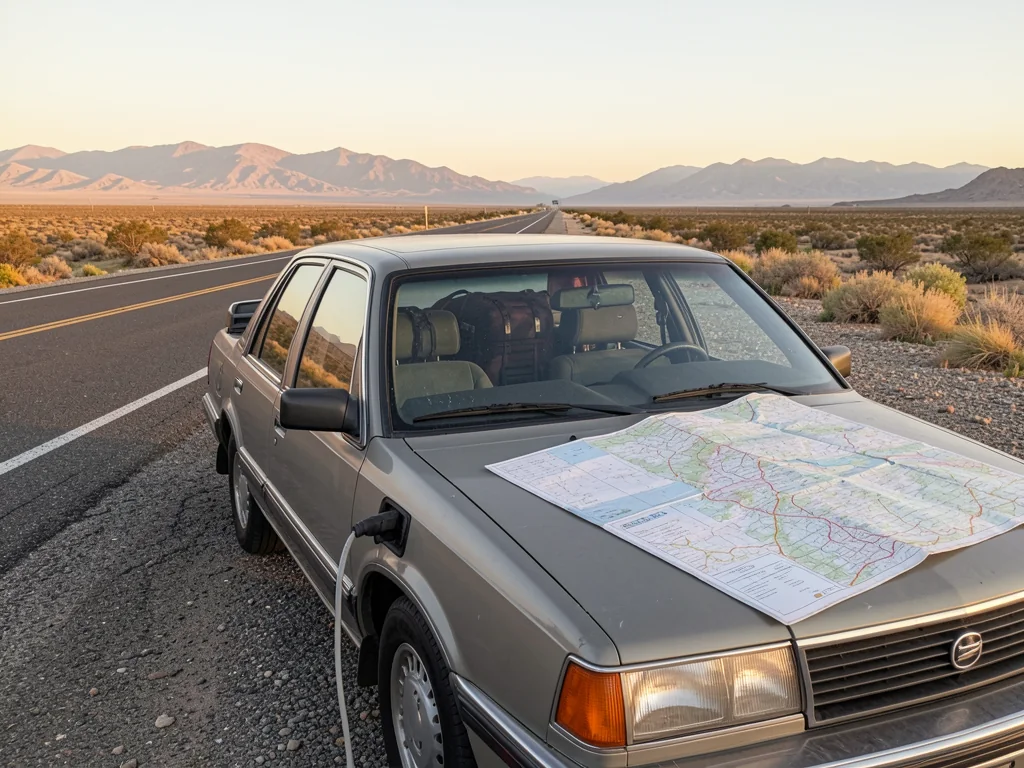
Buying a cheap car in the USA for a road trip can offer freedom, but it demands time, paperwork, and financial risk. Rental cars have mileage caps, one-way fees, and age rules that vary by company. A used car road trip lets you set your own pace and carry extra gear, yet you must handle purchase price, registration, insurance, repairs, fuel, and resale loss. The decision hinges on trip length, traveler count, route flexibility, and how much hassle you can accept.
When Buying a Car for a Road Trip Makes Sense
Buying a car for a road trip makes sense when the route is open-ended or lasts several weeks. With two or more people, a private vehicle often costs less per person than repeated bus or train tickets, especially outside major cities. For a one-way journey, buying at the start and selling at the end avoids large one-way rental charges. A round-trip route favors keeping the car throughout. Having your own car means you can detour to national parks or small towns without rigid schedules.
The full expense goes well beyond the sticker price. Registration and vehicle title transfer fees differ by state, and non-resident car insurance can be harder to get. A pre-purchase inspection and vehicle history report are wise upfront costs, but a breakdown far from home adds towing and repair bills. Fuel for an older model adds up quickly on a cross-country route. When you resell, you rarely recover the full purchase price, so the true cost is depreciation plus operating expenses. Renting may seem more expensive per day, but it includes a newer car and roadside support.
Special Considerations for Visitors Buying a Car in America
Visitors buying a used car as a tourist face extra obstacles. Many states require a local address for registration, and insurers often want a US driving history or residential link. Foreign license holders can sometimes get coverage, but eligibility varies by company and state. A visitor's home-country license plus an international driving permit may be necessary, and the visa length can limit how long the car stays registered. Some states accept a mail-forwarding address while others demand a physical residence, so no single state is universally easiest.
Before committing, contact the state motor vehicle agency and get quotes from several insurers. Explain that you are a non-resident with a foreign license and ask about temporary registration and proof of address options. Timing matters: title transfer, emissions or safety inspections, and insurance paperwork can take days. Plan to arrive well before your trip departure to handle delays. If the process looks too complex, a one-way car rental or buying through a dealer that handles paperwork for a fee might be more practical.
Choosing an Inexpensive Car That Can Handle Long Distances
A good cheap road-trip car should have a documented maintenance history showing regular oil changes and timely belt or fluid replacements. Common models from high-volume brands are easier to service in small towns, and reasonable fuel economy keeps long-distance costs down. Enough cabin and trunk space for all passengers and luggage reduces fatigue. Avoid rare or heavily modified vehicles because parts availability can ruin a trip. A well-kept older sedan or hatchback with a four-cylinder engine is often better value than an aging luxury car with complex electronics.
A very cheap car with unknown history is a gamble. A low-priced sedan that needs a timing belt, tires, and brakes can quickly cost more than a slightly pricier example with receipts. Breakdowns far from home mean towing, hotel stays, and local shop rates. Private sellers often have lower prices but no warranty and no obligation to disclose faults. Dealers may charge more but usually handle title paperwork and sometimes offer a short limited warranty. However, don't assume a model with a reputation for reliability is automatically safe; the individual car's condition from a vehicle history report, pre-purchase inspection, and test drive matters most.
What to Inspect Before Buying a Used Road-Trip Car
Start with static checks. Turn the key to the run position without starting and confirm the check engine, oil pressure, and battery lights illuminate; a missing warning light can indicate tampering. Examine tire tread depth and look for uneven wear that suggests alignment or suspension faults. Look under the car for fresh fluid leaks—engine oil is dark, coolant is green or orange, transmission fluid is reddish. Surface rust is common, but holes in the floor or rocker panels are structural problems. Panel gaps should be consistent, and mismatched paint can signal prior crash damage.
Drive the car on city streets and a highway if possible. The automatic or manual transmission should shift smoothly without hesitation or clunks. Brake firmly and feel for pulling to one side or a pulsating pedal, which points to warped rotors. Listen for whines, roars, or clunks over bumps. Watch the temperature gauge during a long climb; it should stay steady. Even if everything seems fine, pay an independent mechanic for a pre-purchase inspection; a lift reveals underbody damage, exhaust leaks, and suspension wear. A vehicle history report or VIN check shows reported accidents and title brands like salvage, but it only knows what was reported. If a seller refuses an independent inspection, walk away.
Paperwork Basics: Title, Registration, and Insurance
A clean title in the seller's name is essential. Check that the VIN on the dashboard, door jamb, and title all match; a mismatch may mean theft or title washing. Ask for a government-issued ID that matches the title owner. A bill of sale should list buyer and seller names, date, price, VIN, and signatures. In many states, you must transfer the title at a motor vehicle office within a set period. You'll also need proof of insurance before driving away, and some states require an emissions or safety inspection first. A temporary permit lets you drive while paperwork processes.
Registering a car by state rules is the buyer's responsibility. Some states charge sales tax at registration, others at purchase. If you buy from a private party, you usually pay tax when you register. Dealers may handle title transfer and registration for a fee. Driving without valid insurance and registration is illegal and exposes you to fines, impound, and personal liability. As a visitor, confirm whether your home country's driving record can help get cheaper insurance, and ask about non-owner policies if you plan to sell quickly. Never sign a title before all details are correct.
Preparing the Car and Budgeting for Surprises on the Road
Before a long trip, have a mechanic perform basic checks: oil level and quality, coolant condition, brake pad thickness, serpentine belt condition, and tire pressure including the spare. Don't attempt major repairs yourself unless you have experience; a failed roadside fix can be dangerous. Carry an emergency kit with jumper cables, a flashlight, basic tools, a tire inflator or sealant, reflective triangles, water, and a phone power bank. A roadside assistance plan is worth the cost; many cover towing a limited distance, jump-starts, lockout service, and fuel delivery, though terms vary widely.
Set aside a repair reserve of at least a few hundred dollars. On a cross-country road trip, a failing alternator, radiator, or wheel bearing can appear suddenly. If the car breaks down in a remote area, stay with the vehicle if safe, call roadside assistance, and avoid unverified tow operators. Keep all maintenance and repair receipts; documented service increases resale value and reassures the next buyer. A VIN check at resale can confirm no unresolved recalls or title issues. Budget for an extra night's lodging if a shop needs parts shipped in.
Selling the Car When the Trip Ends
Resale value is not guaranteed. A car depreciates with every mile, and selling far from where you bought it means a thin market. Condition matters: a clean, well-documented car with new tires and recent service attracts buyers, while dents and mechanical faults slash offers. Time is critical. Private sale usually yields the most money but takes days or weeks of listing, showing, and negotiating. Dealer trade-in or buyback is faster but pays wholesale. Instant-offer services fall in between.
When selling, sign the title over exactly as the state instructs—many require the odometer reading and buyer's printed name. Complete a bill of sale with both signatures and keep a copy. Remove license plates if the state requires it. Cancel insurance and registration only after ownership transfer, and file a notice of sale if applicable. Selling under time pressure before a flight often means accepting a lowball offer, so start advertising online a week or two before you plan to finish the trip.