Buying a Car From a Tow Yard Auction: Process, Paperwork, and Checks
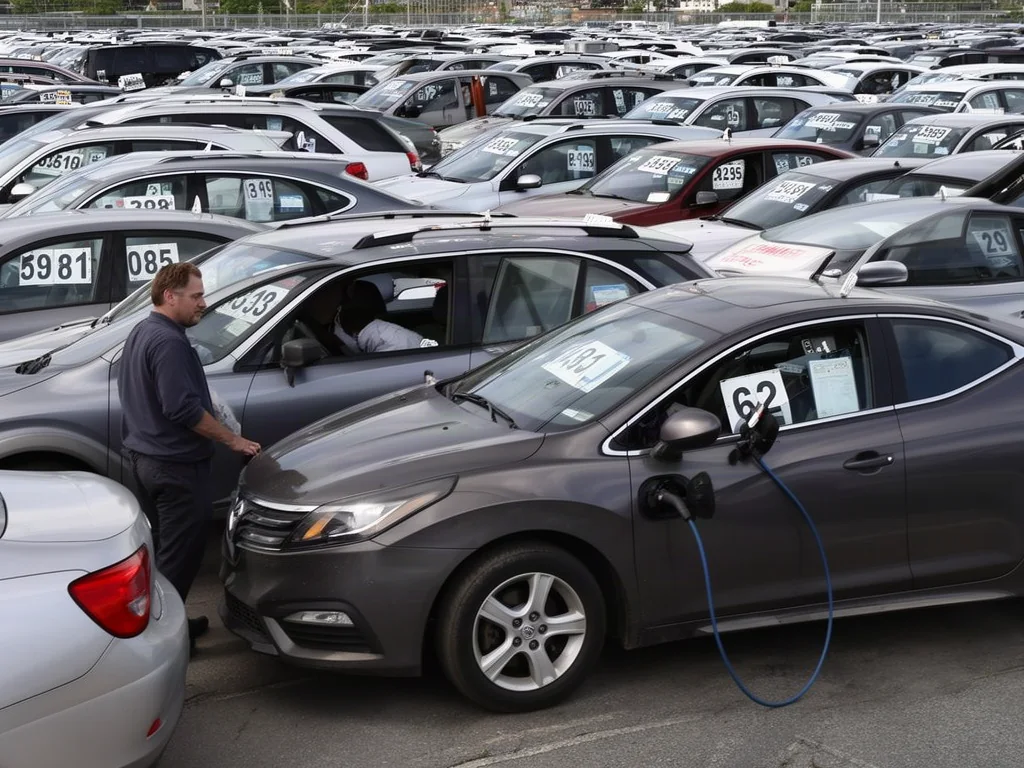
Buying a car from a towing company can look cheaper than a dealer lot, but a towing car auction is a legal sale of an unclaimed vehicle, not a used-car showroom. Towing company car sales and impound auctions follow local notice rules, title paperwork, and as-is terms. Knowing how towing car auctions work, who may bid, and what to verify before payment and pickup reduces the chance of buying a car you cannot title, register, or safely move.
Why Tow Yards Sell Vehicles and Who Can Buy
Towing yards sell cars after an owner fails to reclaim an unclaimed vehicle and the company completes required notices and waiting periods. Those rules vary by jurisdiction, so a towing car auction in one city may follow different timelines than a lien sale elsewhere. Possession of the car does not by itself give a towing company unrestricted power to sell it. Public access, bidder eligibility, and licensing depend on the sale type and local law, so some towing company car sales are open while others restrict who may buy.
A vehicle's presence at an impound auction does not reveal its mechanical condition or why the owner never reclaimed it. The car may have been towed after a breakdown, a crash, a parking dispute, or simple abandonment, and none of those stories is guaranteed by the listing. Buying a car from a towing company therefore starts with treating the lot as a legal disposal process, not as proof the car is cheap, complete, or ready for the road. That distinction matters before you spend time on auction registration or travel to a yard preview.
Confirm the Seller, Sale Format, and Bidder Requirements
Before paying a deposit, confirm the towing company's identity, the vehicle's actual location, and the official sale terms in writing. A listing that merely names a yard is not enough if storage sites, sale dates, or seller names differ from the company you intend to pay. Towing company car sales may use a live or online auction, a sealed bid, or another legally permitted format, so establish which process applies. That choice affects how bids are submitted, when a sale is final, and which auction registration steps you must complete.
Check identification rules, bidder eligibility, deposit amounts, accepted payment methods, and deadlines before sale day. Some towing car auctions require a refundable deposit, government identification, or proof that you are a licensed dealer, while others admit the general public. Determine when a bid becomes binding and whether a listed vehicle can be withdrawn if the owner appears, a lienholder objects, or the seller cancels. Those details decide whether your money is at risk the moment you raise a paddle or only after an invoice is issued.
Verify Title Documents, Liens, and Registration Eligibility
Identify the exact documents supplied with the vehicle, such as a title, bill of sale, or lien-sale paperwork, and confirm what your motor vehicle agency will accept. A bill of sale alone may not establish eligibility for a title or road registration, especially when the towing company is transferring an unclaimed vehicle rather than selling a clean retail title. Compare the vehicle identification number on the car with every available document. Investigate title brands, rebuilt notations, or inconsistent VIN characters before you bid, because those problems travel with the car after the hammer falls.
Buyers must also verify whether the sale legally clears existing claims. A towing car auction or lien sale does not automatically wipe every lien, and some jurisdictions leave salvage, theft, or finance claims attached until a court or agency process is completed. If title documents are missing, ownership claims remain unresolved, or registration eligibility is uncertain, pause and seek guidance from the relevant motor vehicle agency or a qualified legal professional. Bidding without that confirmation can leave you with a car you cannot insure, plate, or resell.
Assess the Car Within the Yard’s Inspection Rules
Establish whether previews, keys, engine starts, diagnostic scans, or an independent mechanic's inspection are allowed under the yard's rules. Many impound auctions limit buyers to a walk-around from marked aisles, with no test drive and no access to locked interiors. From permitted areas, look for visible body damage, tire condition, fluid spots, broken glass, interior moisture, and missing components such as catalytic converters, wheels, or airbags. Those observations help you decide whether to bid, but they are still only a snapshot of what you can see without tools.
A clean appearance or an engine that starts cannot establish roadworthiness or rule out expensive faults in the transmission, frame, airbags, or electrical system. Run available vehicle-history and VIN checks, but incomplete records cannot prove an absence of damage, flood exposure, or odometer problems. Do not bypass locks, attempt jump-starts, crawl beneath unsupported vehicles, or drive a car whose brakes, steering, and tires have not been established as safe. If the yard will not allow a closer look, treat that restriction as a reason to lower your bid or walk away.
Set a Bid Limit That Accounts for the Full Purchase Cost
Build a budget that includes the winning bid, any buyer premium, taxes, document charges, title and registration costs, and transport. Towing car auctions often add fees after the hammer, so a low bid can still become an expensive purchase once those extras are stacked on. Confirm storage, release, loading, and late-payment charges, and learn when those charges begin if you cannot remove the car the same day. The vehicle removal deadline is part of the purchase cost, not an afterthought.
Reserve money for unresolved mechanical issues and required inspections without pretending you can guess a repair bill from a yard walk-around. As-is sale terms usually mean you accept the car in its present condition, and you should not assume a warranty, return period, or cancellation right unless the sale documents grant one. Set a firm maximum bid before bidding begins. Missing paperwork, unclear liens, or uncertainty you cannot afford are valid reasons to pass, even if the car looks like a bargain on the lot.
Complete Payment, Collect Records, and Arrange Removal
Confirm the final invoice and pay through the seller's verified process within the stated deadline. Do not send funds to a personal account or a name that does not match the towing company running the sale. Retain the sale terms, receipt, vehicle identification details, ownership documents, and release authorization so you can prove what you bought and when you were allowed to collect it. Those records matter if a clerk later questions the title transfer or if the yard disputes whether payment cleared.
Arrange suitable transport and confirm collection hours, loading assistance, access requirements, and the vehicle removal deadline before you leave the sale. Taking possession does not establish permission to drive; applicable insurance, registration, permits, and safety requirements must still be satisfied. If the vehicle's condition is uncertain, have it professionally assessed before any road use, and move it by trailer or rollback if brakes, steering, or lighting cannot be verified. Buying a car from a towing company ends only after the car is legally documented, safely removed, and fit for the use you intend.