Buy used Chrysler Aspen body parts
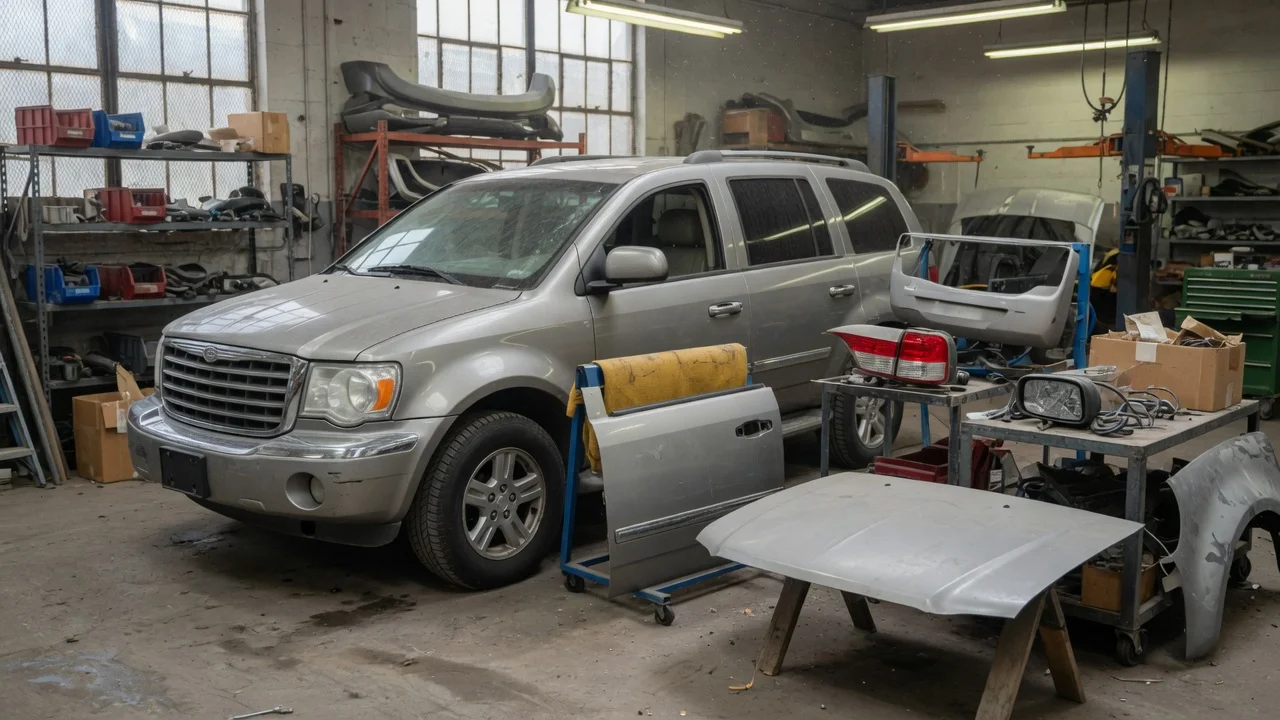
Used Aspen body parts, in short
Used body parts for a Chrysler Aspen need to match the 2007–2009 model years, the exact panel you are replacing, and—for painted pieces—a color and surface condition you can refinish or live with. The Aspen was a full-size SUV sold in North America for only those three years, so there is no later generation to pull panels from. Many inner stampings and bolt-on skins correspond to the same-generation Dodge Durango, but grilles, lamps, fascias, and badges are often unique to the Aspen. Confirm the part number, side, and mounting points on a donor of the same body style before you buy.
Which years, market, and variants change the answer
Fitment starts with model year and market: a U.S. or Canadian 2007, 2008, or 2009 Aspen. Trim and powertrain, including the 2009 hybrid, usually do not change doors, fenders, hoods, or the liftgate, though badges, under-hood shields, and some lighting details can. Rear-wheel-drive and four-wheel-drive trucks typically share outer body panels; running boards, splash shields, and some underbody pieces can differ. A sunroof, roof rack, body-color versus chrome moldings, fog lamps, or a particular bumper style must match the donor if you want the piece to look and bolt up as original. Year-to-year lamp and fascia differences are a known risk; treat those as unresolved until the part number matches.
What you are matching Why it matters; 2007, 2008, or 2009 Aspen Only generation; no later Aspen body to interchange; Left or right, front or rear Doors, fenders, lamps, and quarter cuts are side-specific; Paint code and fade Same code can still mismatch after sun and prior resprays; RWD or 4WD, sunroof, bumper style Outer skins often match; cladding, shields, and some assemblies may not; Durango donor of the same generation Useful for hidden or structural pieces; styling parts often look wrong
Body parts people commonly buy used
Typical used pieces are hoods, front fenders, bumper covers, grilles, headlamps, taillamps, doors, side moldings, quarter-panel cuts, liftgates, roof sections, mirrors, and glass. A “clip” or front section may include the radiator support, fenders, and lamps together; a rear cut may include the quarter, taillamp panel, and part of the floor. Ask whether hinges, glass, moldings, wiring, and impact absorbers are included, because those items are often sold separately.
Dodge Durango overlap, with limits
The Aspen was closely related to the Dodge Durango of that generation, so doors, inner structure, and many unpainted parts are frequently interchangeable when the donor is the same generation. Visible Chrysler-specific pieces—grille, headlamps, tail lamps, front and rear fascias, and badges—are styled differently and often will not look correct even if they physically attach. A 2004–2006 Durango front end is especially likely to differ from a 2007–2009 Aspen. Use a Durango donor for hidden or structural parts when the part number matches; do not assume a Durango bumper, lamp, or grille will finish the job on an Aspen.
What to verify on a used panel
Match the donor’s model year to your Aspen and confirm left versus right. Read the paint code on the certification label, usually on the driver’s door jamb, and decide whether you will blend, respray, or accept a mismatch. Inspect mounting flanges, inner reinforcements, and the back of the panel for creases, rust, and prior repair. For lamps and bumper covers, check haze, moisture, cracks, fog-lamp holes, and any sensor openings. Confirm the part number on the panel or in a catalog rather than a verbal claim that it should fit. Ask whether glass, regulators, moldings, hinges, and interior trim are part of the sale.
Condition and repair trade-offs
A straight, rust-free used panel in a close color can reduce the amount of new metal and filler a shop has to add. Salvage and yard parts vary: a door with a good skin but a bent intrusion beam, or a fender with a hidden crease at the flange, can take more labor than a cleaner piece. Quarter panels and roof sections are often sold as cuts; a shop still has to section, weld, and refinish them. Used lamps are commonly sold as-is, so clouding, leaks, and broken tabs should be treated as extra work. There is no reliable public price or availability figure that applies to every panel and market; compare the cost of the used piece plus install and paint against a new aftermarket or dealer skin that still needs finishing.
Paint, plastic, and complete assemblies
Factory color is a starting point, not a guarantee of match. Bumper covers are textured plastic and are often painted separately from steel panels. Mirrors, door handles, and cladding may be body color or chrome depending on trim. If you need a complete door, confirm that glass, the regulator, wiring, and inner trim are included. Lighting assemblies should match the housing style for that year; unresolved year-to-year lamp differences should be checked on the part number.
A practical next step
Write down the exact panel, your Aspen’s model year, paint code, and any options that affect that area (sunroof, fog lamps, cladding, 4WD shields). Search used Aspen donors first. Consider a same-generation Durango only where appearance does not matter or the part number is identical. Inspect in person or require photos of the mounting edges and the reverse side. If the damage is structural or the used piece is a large cut, have a body shop confirm it is worth installing before you purchase.