Buy Bosch ESI6 brake fluid
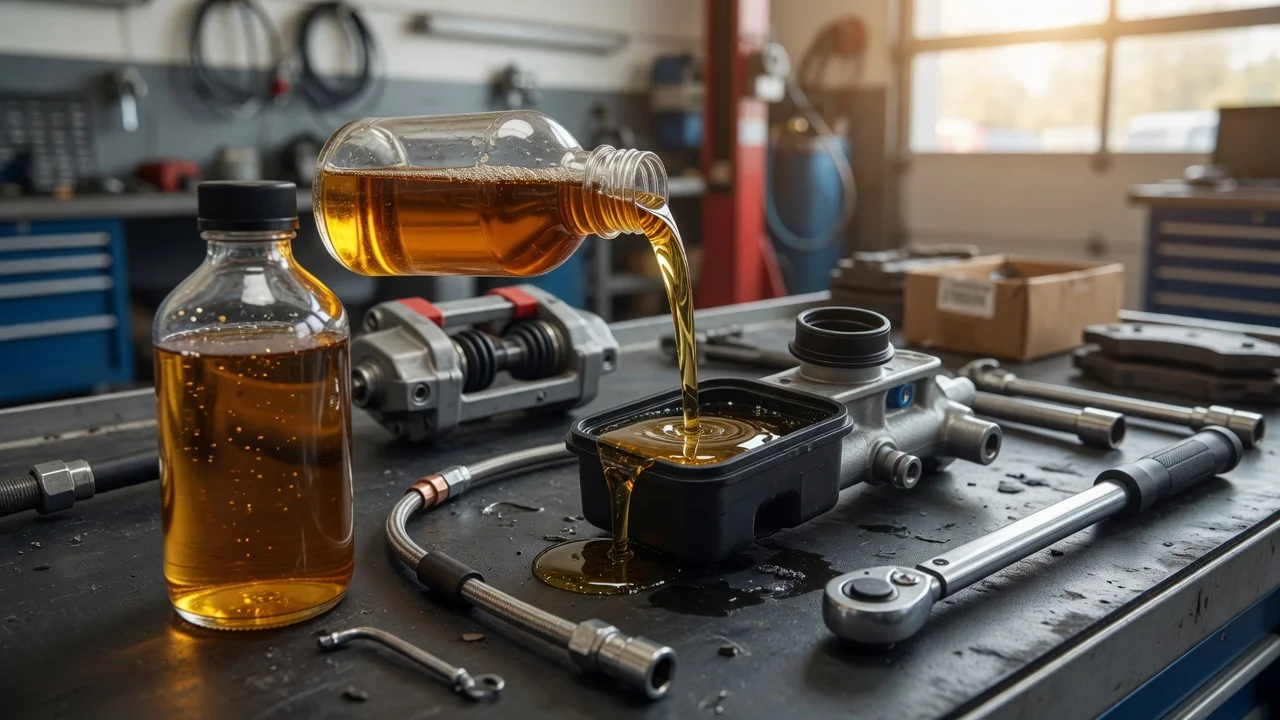
Bosch ESI6 Extended Service brake fluid is a reasonable purchase if your vehicle calls for a glycol-based DOT 3 or DOT 4 fluid, or specifically for a low-viscosity fluid. It is the wrong purchase if your vehicle uses DOT 5 silicone fluid or a mineral-oil hydraulic system. The deciding factor is the fluid specification your vehicle's manufacturer lists for your exact model year, market and brake system, not the brand.
The short answer
Bosch markets ESI6 as a DOT 4 fluid made to the low-viscosity ISO 4925 Class 6 standard. The number 6 in the name refers to that class. Check the ratings printed on the container you buy, because labeling can differ between markets and production runs. If the container's ratings meet or exceed what your owner's manual or reservoir cap specifies, the fluid is a suitable match.
Likely suitable: vehicles that specify DOT 3 or DOT 4 glycol-based fluid, where the manufacturer allows a DOT 4 fluid in place of DOT 3; Likely suitable: vehicles that specify a low-viscosity DOT 4 or ISO 4925 Class 6 fluid; Check carefully: vehicles that specify DOT 5.1, a manufacturer-specific fluid standard, or a particular viscosity limit; Not suitable: vehicles that specify DOT 5 silicone fluid; Not suitable: systems that use mineral hydraulic oil, such as some older hydropneumatic designs
Find your vehicle's specification first
The required fluid is usually printed on or near the brake fluid reservoir cap. It is also listed in the owner's manual's fluids and capacities section. Specifications can vary within one model line between model years, markets, and vehicles with different braking or stability-control hardware. Check the documentation for your exact vehicle rather than a general model listing. If the manual names a manufacturer standard instead of a DOT rating, confirm with a dealer parts department or a Bosch application lookup that ESI6 meets that standard. A DOT rating alone does not settle the question.
What the ratings mean
DOT ratings are US Department of Transportation performance grades for brake fluid. DOT 3, DOT 4 and DOT 5.1 are all glycol-based and generally miscible with one another. DOT 5 is silicone-based and must not be mixed with glycol fluids. ISO 4925 is an international brake fluid standard. Its Class 6 covers fluids with lower viscosity at cold temperatures. Some manufacturers specify low viscosity for vehicles whose anti-lock braking and stability-control systems need fluid that moves quickly through small valves.
Glycol-based fluids are hygroscopic, which means they absorb moisture from the air over time. Absorbed water lowers the fluid's boiling point and can promote internal corrosion. That is why brake fluid has a replacement interval. An "extended service" label suggests the fluid is formulated to hold its performance longer. Your vehicle's maintenance schedule still sets the interval you should follow.
Before you buy
Confirm that the DOT rating and any ISO class on the container match or exceed your vehicle's requirement; Buy a sealed container sized for the job: a small bottle for a top-off, more for a full flush and bleed; Check that the seal is intact, because opened fluid starts absorbing moisture; Do not keep a partly used bottle indefinitely for later use; If you are topping off a system of unknown history, consider a full flush, since mixing compatible glycol fluids is generally acceptable but will not restore degraded fluid; If you are not confident bleeding the brakes, have a qualified technician do the work, because air left in the system reduces braking performance
What this guide cannot confirm
No source data was available for ESI6's boiling points, viscosity figures, recommended service interval, container sizes, current prices or retail availability. Model-specific compatibility was also not available. Check these details on the product label, Bosch's published technical data, or your vehicle manufacturer's documentation before you buy.