Brake Vacuum Pump Repair Cost: What Determines the Estimate
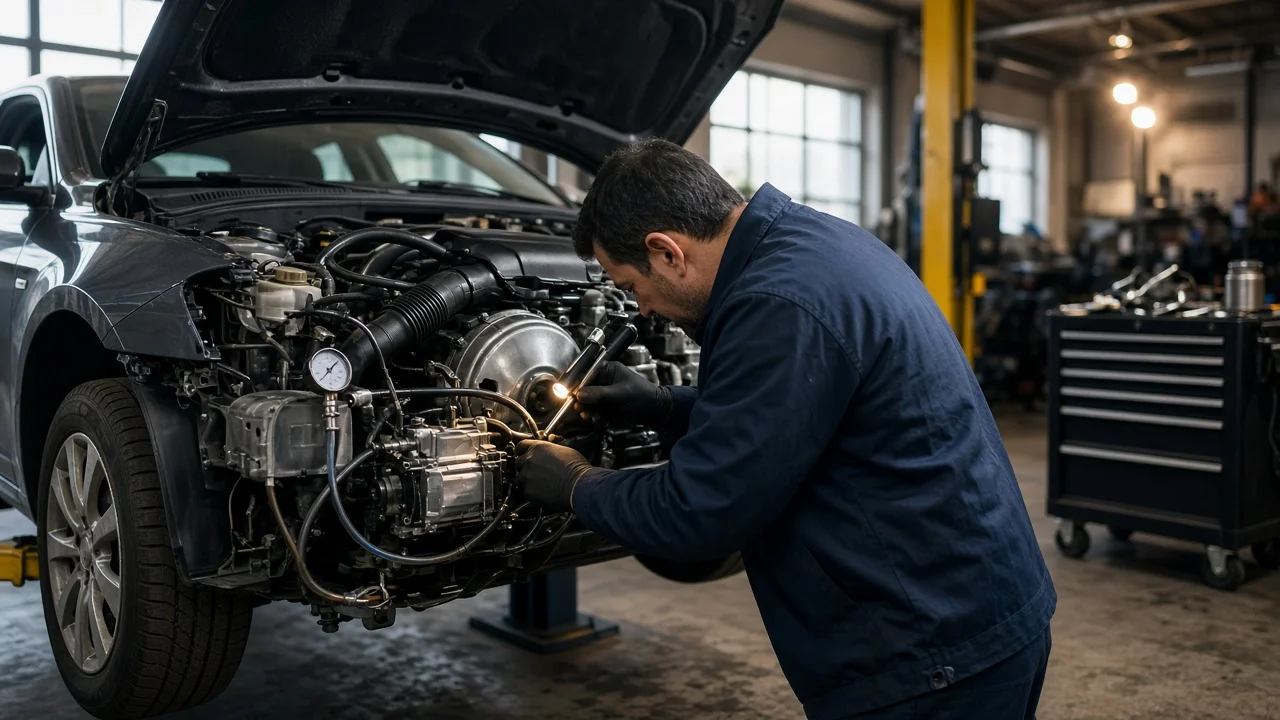
A brake vacuum pump supplies vacuum to the brake booster on engines that do not produce enough manifold vacuum on their own. These include many diesels, direct-injection gasoline engines, and some hybrids and electric vehicles. When the pump fails, the pedal turns hard and the car takes longer to stop. This guide explains what a repair estimate should cover, why quotes differ between vehicles and shops, and how to compare offers on equal terms.
What the estimate includes
A complete estimate for this job usually has several parts. It starts with diagnosis to confirm the pump is actually the cause. It then covers the pump or a repair kit, gaskets or seals, any vacuum hoses or check valves replaced at the same time, labor, and shop supplies. A hard pedal can also come from a leaking booster diaphragm, a cracked vacuum line or a faulty check valve. On systems with an electric pump, a wiring or sensor fault can produce the same symptom. A quote that skips testing may be pricing the wrong part.
Partial figures are easy to mistake for totals. A parts-only price, a labor-only quote, or a figure that leaves out diagnosis does not tell you what you will pay. Ask whether the amount is the final out-the-door price, including taxes, disposal, fault code clearing and a test drive. If the shop gives a range, ask what would move the bill from the low end to the high end before you approve anything.
What changes the cost
Pump type is the biggest factor. Mechanical pumps are driven by the camshaft or another engine shaft and usually mount on the cylinder head or engine block. Many are lubricated by engine oil, so replacement involves a new seal or gasket and sometimes an oil top-up. Electric pumps are standalone units with their own connector and control logic. They appear on hybrids, electric vehicles and some gasoline engines. After installation, the shop may need a scan tool to confirm the pump runs correctly and to clear stored fault codes.
Access determines most of the labor time. On some engines the pump sits in plain view at the end of the cylinder head. On others, intake parts, engine covers or accessories must come off first. The same model can use different pumps depending on engine code and model year, so confirm vehicle fitment by VIN rather than by model name alone. Labor rates also vary by region and by shop type. Dealers, independent shops and mobile mechanics price their time differently.
The extent of the fault matters as well. On some designs, a leak at the pump seal can be fixed with a seal kit. Internal wear, a damaged drive or a failed electric motor usually calls for a complete unit. If leaking oil has reached belts, hoses or wiring, cleaning or additional parts may be added to the bill.
Compare like-for-like options
Typical choices are a new original-equipment pump, a new aftermarket pump, a remanufactured unit, or a seal or rebuild kit for the existing pump where one is offered. Compare these only on the same scope. That means the same part number or a confirmed equivalent, the same gaskets and hoses included, and the same labor steps. A cheaper quote that reuses old seals or ignores a faulty check valve is not a lower price for the same job.
Compare warranty terms alongside price. Check how long the parts warranty lasts, whether labor is covered if the part fails again, and whether the coverage is honored at other shops. Some shops will install parts you supply but will not warranty the labor, which can wipe out the savings. Rebuild kits depend on the condition of the pump body and shaft, so they suit only designs that can be serviced that way.
Associated work should be judged on its own evidence. Brake pads, brake rotors, calipers and brake fluid are not part of a vacuum pump repair. If a shop recommends them during the visit, ask for pad thickness and rotor measurements compared with the manufacturer's wear limits, or a fluid test result. That way, each item is approved because it is needed, not because the car happens to be on the lift.
Read an itemized quote
A useful quote identifies the vehicle and engine. It gives the exact pump part number, brand and condition, whether new original-equipment, aftermarket or remanufactured. It lists each additional part, such as gaskets, O-rings, vacuum hoses, check valves and fasteners. It shows labor hours and the hourly rate, and states any diagnostic charge and whether that charge is credited if you approve the repair. Shop supplies, disposal fees and taxes should appear as separate lines rather than being folded into one number.
Look carefully for exclusions. Common ones are broken or seized fasteners, other oil leaks found during the job, core charges on remanufactured parts, and electrical diagnosis beyond the pump itself. Ask how the shop handles unexpected findings. Requiring your approval before any extra work is reasonable. Also confirm what testing follows installation, such as checking vacuum level or pump operation, confirming no warning lights remain, and verifying pedal feel on a road test.
Decide the next step
If the pedal is hard, a brake warning light is on, or the car takes noticeably longer to stop, limit driving and arrange an inspection promptly. Without power assist, the brakes need much more pedal force, which can be unsafe in an emergency stop. If stopping feels unreliable, having the vehicle towed to the shop is the safer choice.
Before approving the work, make sure the diagnosis names the pump specifically rather than just the symptom. Confirm the replacement part is matched to your VIN. Get at least two itemized quotes covering the same scope, with parts and labor warranty terms in writing, and agree in advance on the testing that will be done afterward. Avoid shortcuts such as plugging or bypassing vacuum lines, fitting a pump from a different engine because it looks similar, or putting off the repair because the brakes still seem adequate at low speed. These choices may save money briefly but leave the car with unreliable braking assist.