Brake Booster Vacuum Hose Connectors and Fittings: Choosing Compatible Parts
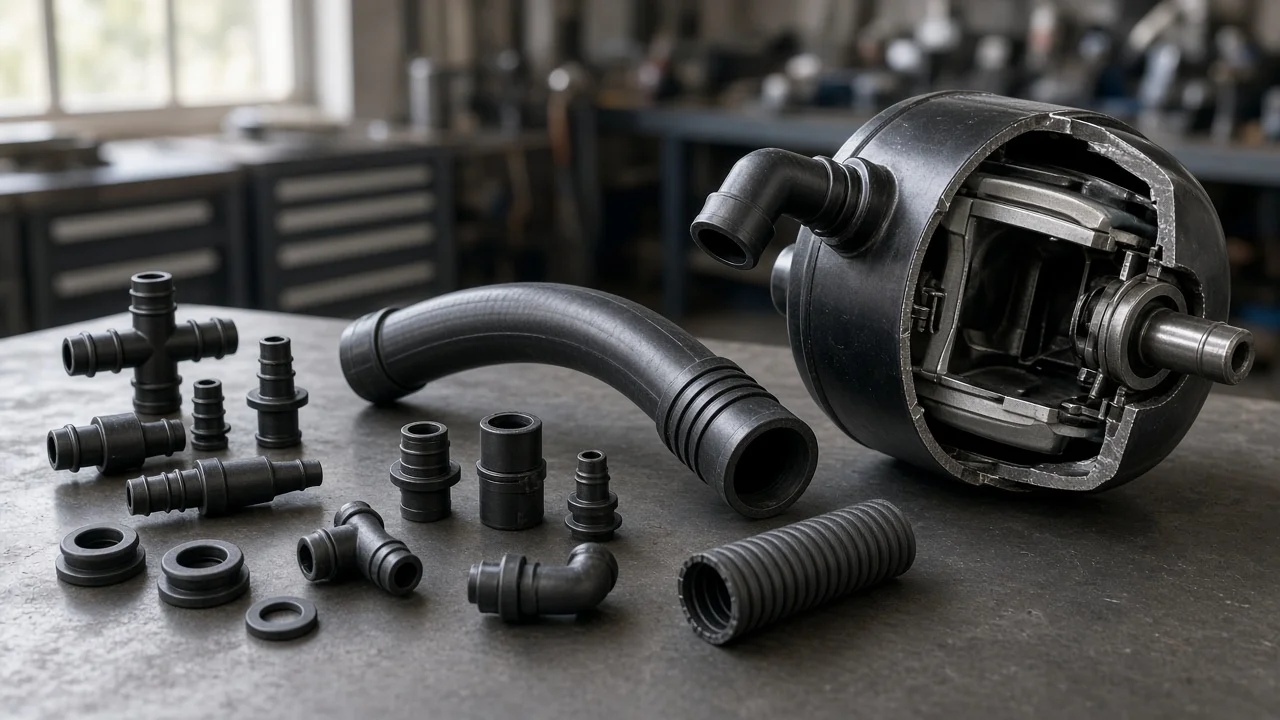
A brake booster vacuum hose connector looks like a minor plastic or rubber part, yet it carries the vacuum that makes the brake pedal light and predictable. When a fitting cracks, collapses or seals poorly, the pedal can turn hard and the engine may idle roughly. This guide explains how to choose a compatible replacement connector or fitting, what to confirm before ordering, and when the symptoms call for a professional brake inspection instead of a parts swap.
Define the job the product must do
The connector links the vacuum source to the power brake booster so the booster can multiply the force from your foot. On most gasoline engines that source is the intake manifold. Many diesels and some turbocharged or direct-injection engines use a mechanical or electric vacuum pump instead, and the connection layout differs accordingly. The vacuum path usually includes several separate pieces: a port fitting at the manifold or pump, a rubber hose or molded nylon line, a one-way check valve, and a rubber grommet that seals the valve into the booster shell. Some manufacturers supply these as a single assembly, while others sell each piece individually.
Before shopping, identify exactly which part failed. Common failures include a brittle plastic elbow that snapped, a grommet that hardened and no longer seals, a hose softened by oil contamination, or a quick-connector latch that broke during other engine bay work. Knowing the failed piece keeps you from buying a full assembly you do not need, or a single fitting when the whole line is degraded. If the pedal has become hard to press or stopping distances have grown, stop driving the vehicle and have it inspected. Reduced brake assist is a safety issue, and a temporary patch with tape or sealant is not an acceptable repair.
Check compatibility
Vehicle fitment starts with year, make, model and engine, and sometimes production date or build plant. The same model can use different boosters or vacuum sources depending on engine and drivetrain, so a fitting listed for the model alone may not suit your car. The most reliable reference is the original part number, often molded or printed on the old part, or the number listed in vehicle-specific service information or a parts catalog keyed to your VIN. When an aftermarket brake booster vacuum hose fitting is offered as a replacement, look for a cross-reference to that original number rather than a broad list of vehicles.
Then compare the physical interfaces. Check the hose inside diameter and barb size, the angle of each end, and whether the ends use barbs, threaded ports or plastic quick connectors with a specific latch style. At the booster, the grommet must match both the hole size and the shell, and the check valve must fit the grommet snugly. If the original valve or line had an extra port feeding another vacuum device, the replacement needs that same port. Measure the old part and photograph both ends before removal so you can compare them directly against the listing.
Features that affect the choice
Material matters because the line operates under vacuum near engine heat and oil vapor. Thin-walled or general-purpose tubing that is not rated for vacuum service can soften, swell or collapse internally, restricting airflow to the booster even when it looks intact from outside. Reinforced vacuum hose or OE-style nylon lines resist collapse and keep their shape at operating temperature. Rubber elbows and grommets should be resistant to oil and heat. A part that fits on the bench but uses an unsuitable material may fail again within a short time.
The check valve deserves particular attention. It lets air be drawn out of the booster toward the vacuum source while preventing flow back in, which preserves some assist after the engine stops or during moments of low manifold vacuum. Many valves carry an arrow or marking indicating flow direction, and installing one backward eliminates assist. Treat labels such as heavy duty, upgraded or premium as marketing unless they come with concrete details. Useful evidence includes a stated original part number cross-reference, listed dimensions, clear photos of both ends, the material specification, and whether clamps or a new grommet are included.
Limitations and ownership costs
Installation is often straightforward on accessible layouts, but aged plastic becomes brittle, and nearby vacuum lines or connectors can crack when disturbed. Budget time and possibly extra parts if surrounding lines are in similar condition. Spring clamps should be reused only if they still grip firmly, and quick connectors need the correct release method to avoid breaking the latch. When replacing the grommet, avoid pushing debris into the booster. Afterward, check the result: with the engine off, pump the pedal several times to deplete stored vacuum, hold light pressure, then start the engine. The pedal should move down slightly as assist returns. Listen for any hissing around the new connection.
A new connector only fixes a leak or blockage in the vacuum path. It cannot repair a leaking booster diaphragm, a failing vacuum pump, a faulty master cylinder, low or contaminated brake fluid, a sticking caliper, or brake pads and brake rotors worn past their wear limits. A hard pedal from lost vacuum assist feels different from a soft or spongy pedal, which more often points to air in the hydraulic system or another fluid-side problem. If replacing the fitting does not restore normal assist, further diagnosis by a qualified technician is needed. As ongoing maintenance, inspect vacuum hoses and fittings whenever you service brake pads or friction material, or work elsewhere in the engine bay.
Build a practical shortlist
Use a short checklist to compare candidates. Confirm fitment for your exact vehicle, including engine and any production date split. Match the original part number or a verified cross-reference. Compare hose diameter, barb size, end angles and connector style against your measurements and photos. Confirm the check valve flow direction and any additional port. Verify that the material is suited to vacuum service and engine bay temperatures. Note whether the grommet and clamps are included or must be bought separately. Finally, review the seller's return terms in case the part does not fit as described.
Between original equipment and aftermarket options, an OE part offers the most certain match, while a quality aftermarket power brake booster vacuum hose connector can serve well when its dimensions and fitment are clearly documented. Avoid stacking adapters or cutting universal hose to bridge a mismatch, because every extra joint is another potential leak point in a safety system. If a part needs force, trimming or extra sealant to fit, it is the wrong part. When in doubt, choose the option whose specifications you can verify against your vehicle rather than the one with the most confident marketing.