Brake Booster Check Valve Replacement Cost: What to Expect
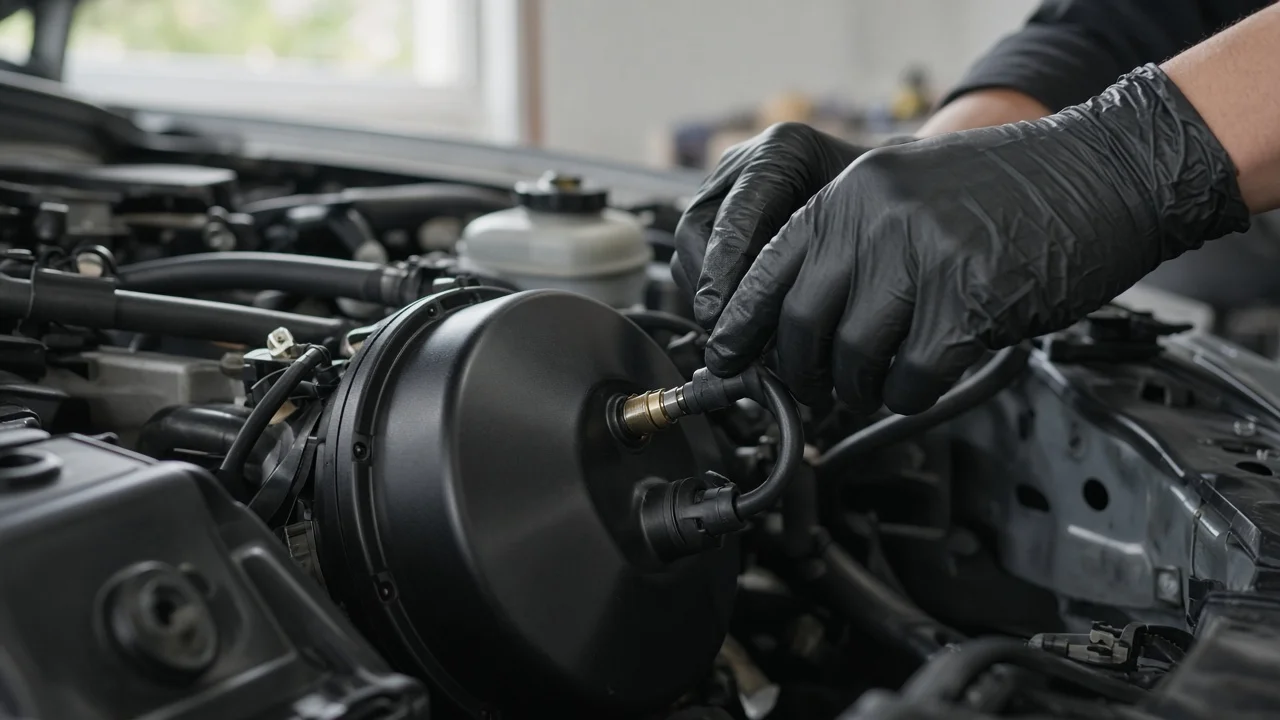
A brake booster check valve is a small one-way valve that holds vacuum in the power brake booster so the pedal stays assisted even when engine vacuum drops. When it fails, the pedal can feel hard, especially on the first stops after starting. Replacing the valve is usually a modest job. What you pay depends on how the part is built into your vehicle and how much diagnosis the shop does first. This guide explains how to read and compare estimates without guessing at prices.
What the estimate includes
A complete estimate should cover three things: the part, the labor to fit it, and the diagnosis that confirms the valve is actually at fault. A parts-only price from a counter or online listing is a partial figure. So is a labor quote that assumes you supply the part. On many vehicles the valve is a separate component pushed into a rubber grommet on the booster shell. On others it is molded into the vacuum hose, so the replacement part is the hose assembly rather than a valve alone. Ask which one your quote assumes, because the two can differ in both part cost and fitting time.
The estimate should also state what is not included. Replacing the check valve does not open the hydraulic system, so a brake fluid flush or bleed is not normally part of this job. If a quote lists it, ask why. Brake pads, brake rotors and caliper work are separate repairs. A shop may recommend them after an inspection, for example when pads are close to the manufacturer's wear limits. Those recommendations should appear as distinct line items with their own reasons rather than being folded into one total.
What changes the cost
The biggest variable is how your vehicle produces and stores vacuum. Many gasoline engines draw booster vacuum from the intake manifold through a single check valve. Diesel engines and some turbocharged or direct-injection gasoline engines use a mechanical or electric vacuum pump, and the valve may be part of the pump line or the pump itself. Vehicles with hydraulic brake assist or a fully electric brake booster have no vacuum check valve at all. If a shop quotes a check valve for one of those vehicles, the diagnosis needs another look. Confirm vehicle fitment by year, engine and trim before comparing part prices.
Labor depends on access. Where the valve sits on top of the booster in an open engine bay, fitting takes little time. Where the booster is tucked under the cowl or behind other components, parts may need to come off first. Brittle grommets and hoses on older vehicles can tear during removal, which adds a new grommet or hose to the bill. Shop labor rates, minimum labor charges and diagnostic fees vary by region and by type of shop. Dealer, independent and mobile quotes will rarely match on rate alone.
Diagnosis can cost more than the repair itself. A technician will usually check engine vacuum, test that the valve passes air only toward the vacuum source, and check the booster for a leaking diaphragm. If the booster itself leaks, a new check valve will not restore assist, and the job becomes a booster replacement with a very different price. Paying for a proper test first avoids buying the wrong part.
Compare like-for-like options
Typical options are a dealer repair with an original-equipment part, an independent shop using OE or aftermarket parts, or fitting the part yourself. Compare them on the same scope: the same part type (separate valve, valve with grommet, or integrated hose), the same diagnostic work and the same warranty. A low quote that covers only a valve is not cheaper in practice if your vehicle needs the full hose assembly.
Check the parts and labor warranties separately, and ask whether the warranty still applies if you supply the part. Some shops will not warranty labor on customer-supplied parts. Doing the job yourself can make sense when the valve is easy to reach, you can confirm the fault with a vacuum gauge or hand vacuum pump, and you follow the vehicle-specific service information for orientation and fitting. A valve installed backwards blocks vacuum to the booster, so the marked side or arrow must face the correct direction. If you cannot confirm the cause, a professional diagnosis is the safer spend.
Read an itemized quote
Ask for an itemized written quote rather than a single figure. The useful lines are: the diagnostic or inspection fee and whether it is credited toward the repair; the exact part, with brand or OE number and whether a grommet, hose or clamps are included; labor time and the hourly rate behind it; shop supplies or environmental fees; taxes; and the parts and labor warranty period.
Watch for open-ended wording. Phrases such as 'additional parts as needed' or 'further diagnosis if required' can leave the final bill undefined. Ask the shop to call you for approval before exceeding the quoted amount. If the quote bundles other brake work, such as pad or rotor replacement because of worn friction material, ask for the measured readings behind each recommendation. That way you can decide on the check valve repair independently.
Decide the next step
A hard pedal means reduced power assist, which lengthens stopping distance. If braking effort has increased noticeably, stop driving the vehicle and arrange professional service. To get a usable estimate, have your year, make, model, engine and VIN ready. Describe the symptoms, such as a hard pedal after the car sits, a hissing sound near the pedal or a rough idle. Ask for a vacuum and booster test before any parts are ordered.
Collect at least two itemized quotes covering the same part type, diagnosis and warranty. Avoid shortcuts such as plugging a leaking line, reusing a cracked grommet or installing a universal valve that does not match the original fitment. After the valve is replaced, the shop should confirm that the pedal has normal assist and that the booster holds vacuum after the engine is switched off.