Bosch ABS Wheel Speed Sensor: Fitment and Buying Guide
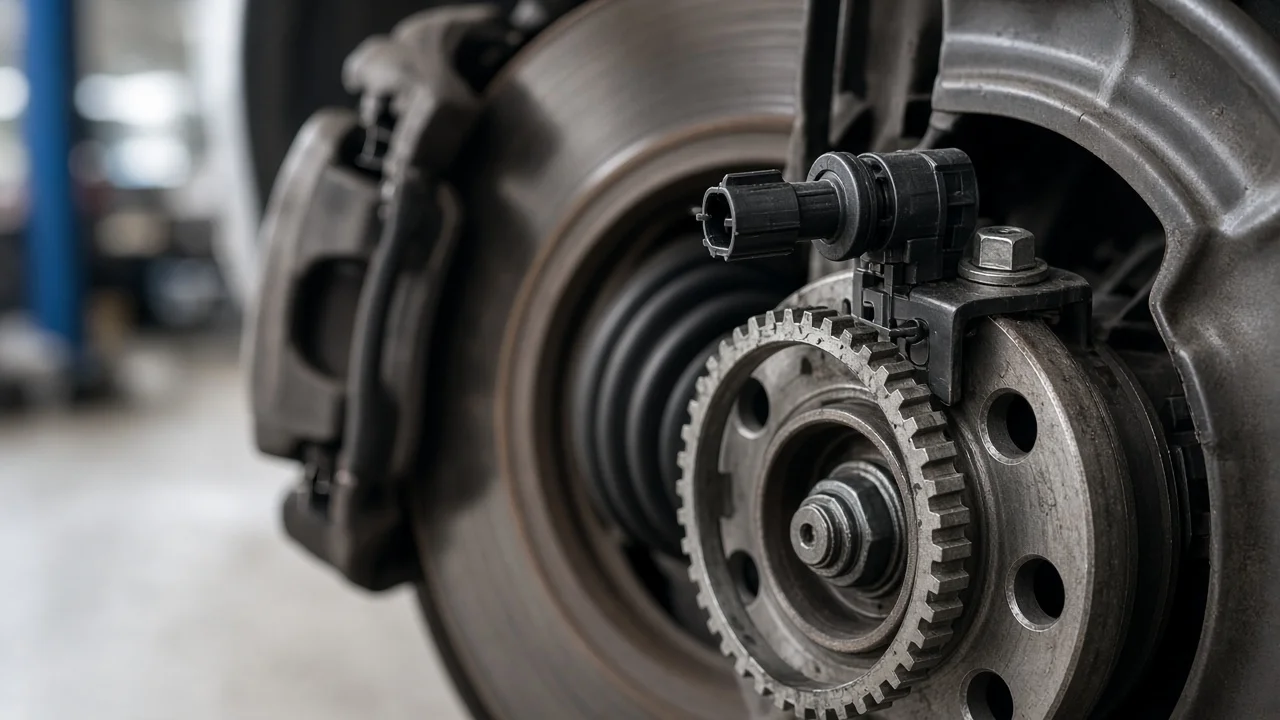
A wheel speed sensor tells the ABS module how fast each wheel is turning. If you install the wrong one, the warning lights can stay on and stability control can stay disabled. This guide explains how to match a Bosch ABS wheel speed sensor to your vehicle, which specifications matter, what a new sensor cannot fix, and how to compare listings before you buy. Confirm every detail against the service information for your vehicle.
Define the job the product must do
Each sensor reads a toothed tone ring or a magnetic encoder that turns with the hub, axle or CV joint. The ABS module uses that signal, and so do traction control and stability control. On many vehicles the speedometer, transmission control or tire pressure monitoring also rely on it. Confirm the sensor is actually at fault before you order one. A scan tool that reads ABS codes and shows live wheel speed data will tell you which corner drops out or reads erratically. A code for an implausible signal can also come from damaged wiring, a corroded connector, a cracked or rusted tone ring, a worn wheel bearing with excess play, or metal debris stuck to the sensor tip. A new sensor will not cure any of those.
Next, identify the practical constraints. Note which wheel is affected and whether the sensor looks seized in the knuckle or hub. Check whether the harness is built into the sensor or connects to a separate lead, and whether you are about to do other brake work at the same corner. An amber ABS light on its own usually means the base brakes still work but anti-lock and related functions are off. If the red brake warning light is on, the pedal feels soft or low, or the vehicle pulls under braking, stop driving it and have the brakes inspected professionally.
Check compatibility
Start with make, model, year, engine and drivetrain, then confirm with the VIN where the seller or catalog supports it. Manufacturers sometimes change ABS hardware partway through a model year. Position matters too: front and rear sensors differ, and many are side-specific because of cable length and routing. Sensor technology matters most. Passive inductive sensors generate their own alternating signal. Active sensors use Hall-effect or magnetoresistive elements and need supply voltage from the ABS module. The two types are not interchangeable even if they look alike. Many active sensors read a magnetic encoder built into the wheel bearing seal, which must face the sensor correctly.
Then check the physical interfaces. Compare the connector shape and pin count, overall cable length, number and position of grommets and clips, mounting flange shape, and bolt hole. Also compare the length and diameter of the sensor head, which sets the air gap to the tone ring or encoder. The most reliable comparison is against the original part number or the old sensor itself. Read catalog fitment notes for conditions such as two- or four-wheel drive, a specific brake package or a particular ABS variant. Treat broad 'fits many models' wording as a reason to verify, not as confirmation.
Features that affect the choice
Bosch has long supplied ABS components to vehicle manufacturers. That background is a reasonable starting point, but it does not mean every Bosch listing matches the sensor your car left the factory with. Judge each part number on its own. Look for a stated original-equipment cross-reference, clear photos of the connector and mounting flange, the sensor type, the axle position and side, and the cable length. These details let you confirm fitment before the part arrives.
Several features make a real difference in daily use. A protective sleeve or abrasion-resistant jacket helps in wheel wells exposed to road salt and stones. Correctly placed molded clips and grommets keep the cable away from moving suspension parts. Some listings include a new mounting bolt or O-ring, which helps when the old hardware is corroded. Labels such as 'premium', 'heavy duty' or 'upgraded' say nothing about fitment or signal quality on their own. Weigh them only when the listing explains what has actually changed.
Limitations and ownership costs
Removal is often the hardest part. Corrosion can lock the sensor body in its bore, and forcing it can break it and leave pieces behind that must be extracted. Clean the bore before fitting the new sensor. Apply grease or anti-seize only where the service information allows it, because some designs are sensitive to anything that changes the air gap. Torque the retaining bolt to specification and route the cable exactly as the original ran, in every clip, clear of the exhaust and steering stops. On most designs the job does not open the hydraulic system, so no brake fluid bleeding is needed. After installation, clear the codes. Some systems need a short drive or a scan-tool procedure before the warning light goes out.
Know what the part cannot do. It will not repair a damaged tone ring, a failing wheel bearing, a broken harness further up the line, or an ABS module fault. It also does nothing for worn brake pads, scored brake rotors or a sticking caliper. Those parts have their own wear limits and inspection points in the service information. The sensor has no friction material to wear out, but its cable flexes with every suspension movement and its connector can corrode. It also gets damaged during brake work when a hanging caliper or hub removal stretches it. Budget for the possible extras: clips, a new hub or bearing if an integrated encoder is damaged, diagnostic time, and labor if the sensor is seized.
Build a practical shortlist
Use this order when comparing options. Confirm the faulty corner with codes and live data. Inspect the tone ring, wiring and connector at that corner. Record the VIN, axle position and side. Identify whether the system uses active or passive sensors. Match the original part number or the old sensor's number, connector and pin count. Compare cable length, clip layout and mounting flange. Note which hardware is included. Finally, check the seller's return terms, since some do not accept returns on electrical parts once installed.
If two Bosch listings appear to fit your vehicle and differ only in cable length or connector, measure the original before ordering instead of guessing. When comparing Bosch with other brands, choose the part whose specifications you can verify against your vehicle, not the one with the strongest marketing. If the diagnosis is still unclear after these checks, have a brake or ABS specialist confirm the fault first. That costs less than replacing a sensor that was never the problem.