BMW X6 Parking Brake Actuator: Fitment Guide
Answer the main question
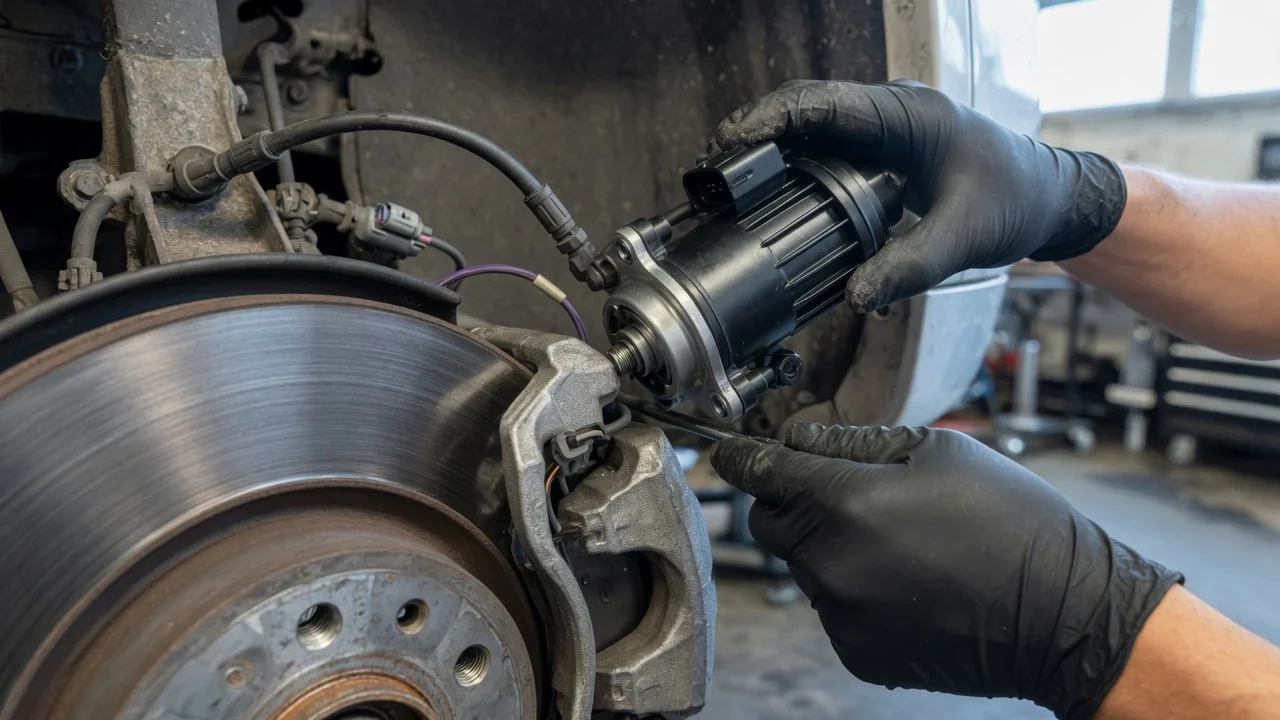
BMW X6 models use an electromechanical parking brake rather than a conventional handbrake cable. The parking brake actuator is mounted at the rear brake caliper or as part of the rear brake assembly, depending on the generation and brake option. Fitment is not universal across every X6: the correct part depends on production period, engine and brake package, and whether the vehicle has single-piston floating rear calipers or a performance brake setup. Always confirm the exact original part number or use vehicle-specific fitment data before replacing an actuator.
How it works
The parking brake actuator is an electric motor unit that presses the rear brake pads against the brake rotors when the parking brake is engaged. On many X6 variants, the actuator drives a mechanism inside the rear caliper rather than using a separate drum-in-disc shoe. The control module operates the actuator on both rear wheels, applying enough force to hold the vehicle stationary. The system may also be used automatically by the hill-hold or drive-away release function, depending on the vehicle configuration.
Because the actuator works through the rear caliper, its behavior is affected by the condition of the brake pads and brake rotors. Excessively worn friction material or damaged rotors can change the travel and load seen by the actuator, and the system may then report a fault even though the motor itself is still functional.
What changes the answer
The main variables are the production generation and rear brake configuration. Early X6 E71 models and later X6 F16 or G06 models can use different actuator designs, wiring connectors and mounting positions. Vehicles with larger performance brakes may use a different rear caliper and therefore a different actuator. Market specification can also matter, because some regions use automatic parking brake behavior or additional safety functions that affect the control module.
Brake fluid condition is another practical factor. The electric parking brake can apply the rear caliper, but the hydraulic side of the caliper must still be serviced correctly after actuator or pad replacement. If the brake fluid has not been maintained, moisture or contamination can cause internal corrosion that makes the caliper stick and overloads or confuses the actuator.
What the owner can do
Before replacing a parking brake actuator, check the rear brake pads and brake rotors against the published wear limits. A parking brake warning can be caused by pads worn beyond the service limit or by a caliper that is not moving freely. Listen for a weak or repeated motor sound, and note whether the warning appears only when parking or also during normal driving.
When a replacement is needed, compare the old actuator visually and by part number. Check the connector shape, cable length and mounting holes, not just the general appearance. Use a fitment lookup based on the vehicle identification number rather than selecting by year or model name alone. After installation or rear brake service, the parking brake may need to be placed in service mode or relearned with suitable diagnostic equipment.
Limitations and next step
A parking brake fault can leave the brake applied, fail to hold the vehicle, or disable the parking brake when it is needed. If the vehicle cannot be safely secured or if the actuator remains locked, stop using the vehicle and have it assessed by a qualified workshop. Vehicle-specific diagnostic data is still the most reliable way to confirm the correct actuator, check the control module and perform the required calibration after replacement.