BMW X5 E70 Parking Brake Actuator Repair
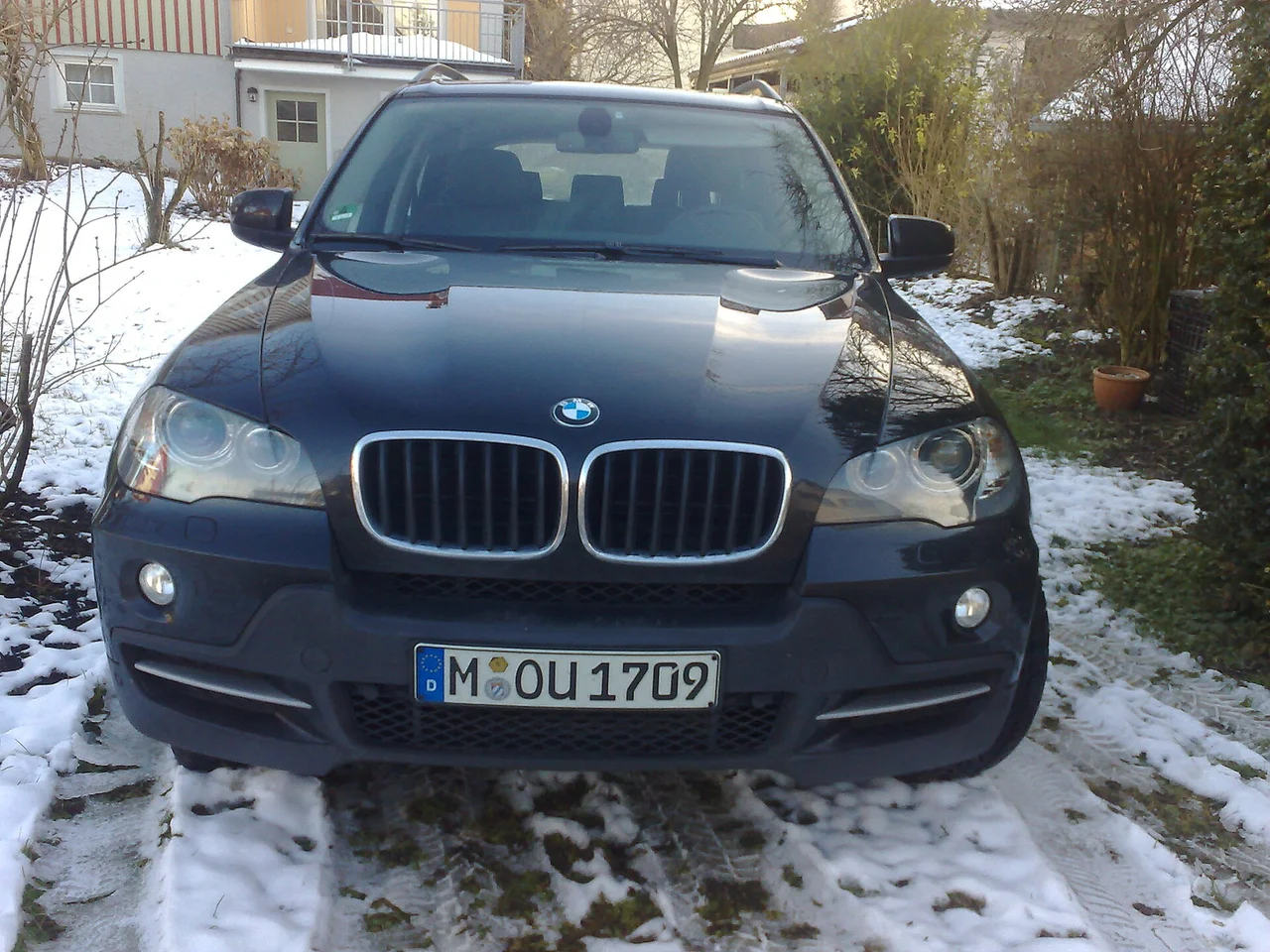
The BMW X5 E70 uses an electromechanical parking brake. A motorized actuator pulls cables that expand small brake shoes inside the drum section of the rear rotors. When the system reports a fault or will not apply or release, the actuator is a common suspect, but not the only one. This guide to E70 parking brake actuator repair explains how to confirm the fault, define the job, choose a repair approach and verify the result before normal use.
Confirm the fault before repair
Start with the evidence the car itself provides. Typical complaints include a parking brake warning in the instrument cluster, a message that the parking brake is unavailable, buzzing or grinding from beneath the rear of the vehicle when the switch is operated, and a brake that applies but will not release. None of these alone proves the actuator has failed. Read the fault memory with a diagnostic tool that can access the parking brake control unit. Note whether each fault is current or historical, and record the operating conditions when it was set.
Several conditions mimic actuator failure. Low or unstable battery voltage can stop the parking brake from operating or cause it to log electrical faults, so check the battery and charging system first. Seized or stretched cables, contaminated or worn parking brake shoes, a damaged switch, and wiring faults between the switch and the actuator can all produce similar symptoms. A confirmed actuator defect usually shows three things together: stored faults pointing to the motor or internal electronics, correct supply voltage at the unit, and cables and shoes that move freely when disconnected. If the brake has applied and will not release, use the emergency release procedure in the owner's handbook rather than forcing anything. Do not drive the vehicle with a dragging rear brake.
Define the repair scope
On the E70, the actuator assembly is mounted under the rear of the vehicle. It contains both the electric motor with its gear drive and the control electronics. Cables connect it to the parking brake shoes inside each rear rotor hat. Defining the scope means deciding which of these parts actually needs attention: the motor and gearing, the integrated electronics, one or both cables, or the shoes and their hardware at the wheels.
Do not assume that every X5 of this generation takes the same remedy. Part numbers for the actuator and related components can differ by production date, engine, market and options, so confirm vehicle fitment with the VIN before ordering anything. While you are working, also check the condition of the rest of the rear brakes. Rear brake pads or brake rotors near their wear limits, a sticking caliper or a leaking brake hose are separate faults. Record them and deal with each on its own merits rather than folding them into the parking brake diagnosis. The service brakes and parking brake share the rotor, so rotor condition affects both.
Compare repair options
Start with adjustment and cleaning when diagnostics show the actuator responding normally but the brake holds poorly or drags. On this design, parking brake shoe clearance is set at the wheel. Freeing corroded adjusters or replacing contaminated friction material can restore function without touching the actuator. This approach does not establish the actuator's internal condition, so confirm that any stored faults clear and stay clear.
Some specialist rebuilders repair the actuator internally, and gear or motor kits are also sold. The usual work is replacing worn plastic gears or a failed motor. This can be cost-effective when the electronics are healthy, but the result depends on the quality of the parts and the skill of whoever opens the unit. A repaired unit may still need calibration, and mechanical work alone will not fix a hidden electronic fault.
Replacement with a new or remanufactured actuator is the usual answer when the motor, gearing and electronics are all suspect, or when stored faults point to the control unit itself. Seized or worn cables or shoes may need replacing at the same time. Specialist service is the right route in three situations: you lack a diagnostic tool that can put the system into service mode and run its initialization, faults persist after basic checks, or there is any doubt about the condition of the rear service brakes.
Requirements and limits
This job needs more than hand tools. You need vehicle-specific service information for removal, cable routing and torque values. You also need a diagnostic tool that can talk to the parking brake control unit: it must read faults, set the system to its workshop or assembly position and run calibration afterwards. A battery support charger keeps voltage stable during coding or initialization. Secure the vehicle on level ground with the wheels chocked, or support it safely on stands, because the parking brake cannot be relied on while it is being worked on.
Know the limits of what you are doing. Releasing cable tension incorrectly, installing a unit without initialization or forcing a jammed mechanism can leave the parking brake inoperative or partly applied. Stop using the vehicle until a professional has inspected it if the rear brakes show fluid leakage, the brake fluid level drops or the pedal feel has changed. Any of these means the problem goes beyond the parking brake. Follow the manufacturer's wear limits for shoes, pads and rotors rather than judging them by eye.
Verify the outcome
After the repair, clear the fault memory and operate the parking brake through several apply and release cycles with the ignition on. Check that the warning lights behave normally and that the brake applies quietly and fully. With the rear raised, both rear wheels should turn freely by hand after release. Test holding power on a safe incline within the limits in the owner's handbook. Then take a short road test and check for dragging, heat at the rear wheels or new messages. Read the fault memory again afterwards.
Document what was found and done: stored faults before and after, the parts replaced, the actuator's identification, calibration results and any shoe or cable work. If the same faults return, symptoms persist or the parking brake will not hold on an incline, stop relying on it. Have the system diagnosed by a specialist with dealer-level diagnostic capability. When faults recur after a new actuator is fitted, the cause is often wiring, power supply, cables or wheel-end hardware rather than the replacement unit.