BMW Transmission Fluid and ZF Lifeguard 8: Is It Really Lifetime?
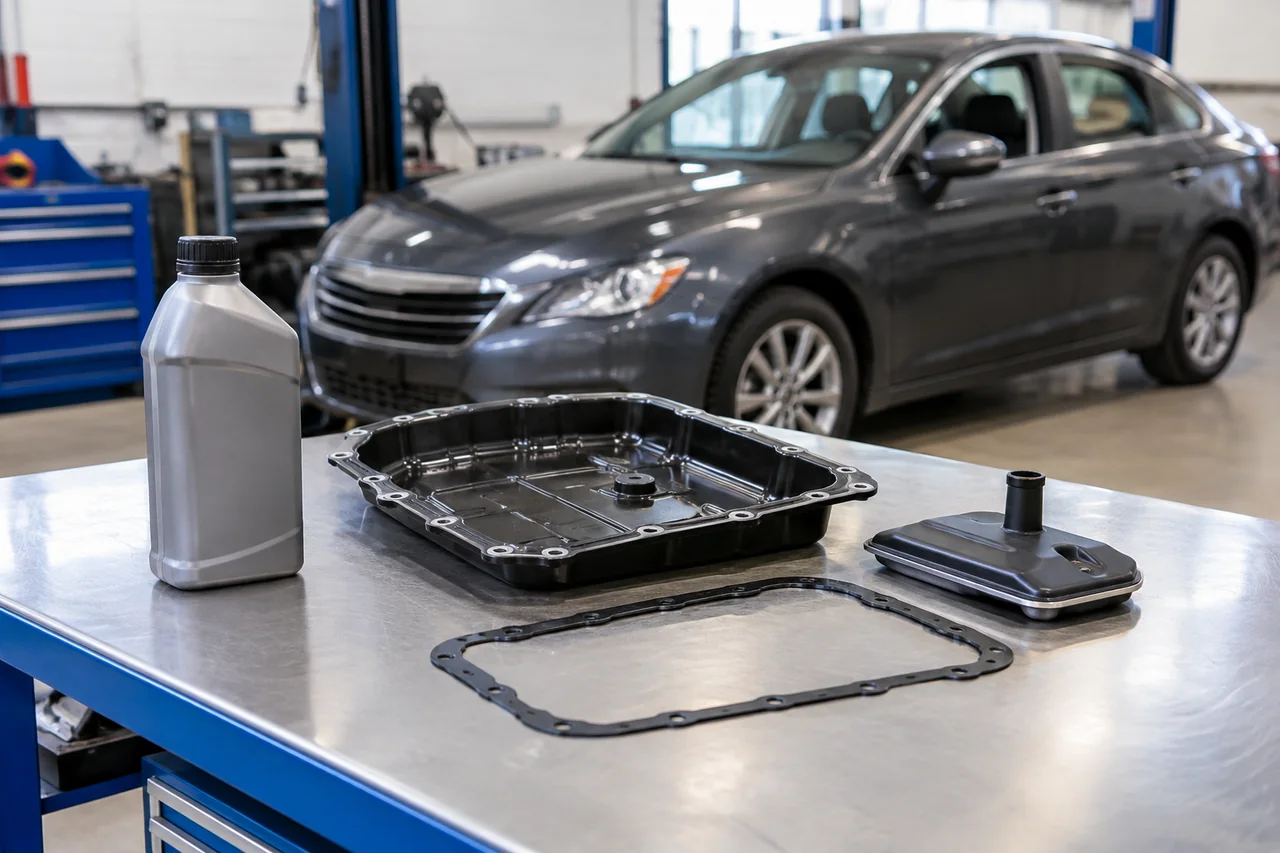
Choosing automatic transmission fluid for a BMW starts with a question many owners skip: which transmission is actually installed? BMW transmission fluid is not one universal product, and the lifetime fill label raises its own doubts about whether the fluid ever needs attention. Getting it right means understanding fluid specification, where ZF Lifeguard 8 transmission fluid fits, and what a professional BMW transmission fluid change or replacement should include.
Identify the Transmission Before Choosing BMW Fluid
A BMW model name tells you the body style and general era, but it does not establish which automatic transmission sits behind the engine. The same model line may have been built with different gearboxes depending on engine, drivetrain, production date, and market, and each unit may call for a different automatic transmission fluid. Guessing from the badge, or from what a friend used in a similar car, risks filling the gearbox with a product whose friction and viscosity characteristics were never intended for its clutches, valve body, and torque converter.
A shop can confirm the installed unit through transmission identification rather than assumption. VIN-linked build data, the identification plate or label on the transmission case, prior repair records, and the applicable service documentation together establish the exact unit and the fluid specification it requires. Once the unit is identified, the fluid must match that specification; bottle color and vague claims of BMW suitability prove nothing about approval. This applies to BMW automatic transmissions specifically, since manual gearboxes, transfer cases, and differentials each carry their own separate lubricant requirements.
Confirm Whether ZF Lifeguard 8 Is Specified
ZF LifeguardFluid 8 is a transmission fluid that ZF specifies for particular transmission applications, and it often comes up in discussions of BMW automatics built by ZF. That association does not make it correct for every BMW automatic. Before anyone recommends ZF Lifeguard 8 transmission fluid, the exact identified transmission should be checked against current ZF application documentation and the applicable BMW service information, because application lists can change, and a gearbox from another supplier or an earlier ZF family may call for something else entirely.
When reading a product label or data sheet, look for an explicit statement that the fluid meets or is approved for a named specification, then compare it with what the documentation requires. Phrases such as recommended for use in, or suitable for many European vehicles, are marketing suitability claims, not approvals. Owners should also avoid choosing or mixing transmission fluid for a BMW based on brand familiarity, color, or the number of forward gears, since two eight-speed units, for example, are not guaranteed to share a fluid specification.
What Lifetime Fill Means for a Service Decision
Lifetime fill is a maintenance designation, and its exact scope should be checked in the applicable vehicle documentation. It generally means no scheduled fluid change appears in the standard maintenance plan under the conditions the manufacturer defines. It does not prove the fluid keeps its original properties indefinitely. Over time, heat cycles drive oxidation, friction modifiers and other additives are consumed, and wear material from clutches and seals accumulates in suspension, all of which can alter how the fluid lubricates, cools, and controls shift quality.
Rather than relying on a single universal interval, owners should read the BMW maintenance information and any ZF guidance for the identified transmission, paying attention to stated operating conditions such as towing, frequent short trips, high ambient temperatures, or sustained heavy loads. A professional recommendation then weighs documented service history, mileage, how the car is used, any evidence of leaks, and the transmission's current behavior. A well-documented car with gentle use and a clean inspection presents a different case from one with unknown history and seepage around the pan.
What a BMW Transmission Fluid Change Service Includes
A proper BMW transmission fluid change begins before any fluid is drained. The technician confirms the specification for the identified unit, inspects the case, pan, lines, and connectors for leaks, and assesses operation, often with a road test and a scan for stored faults. The fluid is then serviced along with any applicable filter components, and the car is rechecked for leaks afterward. Whether the transmission filter is separate or integrated into the transmission pan, and whether new seals and single-use fasteners are required, depends on the transmission design and the documented procedure.
Fluid level verification is one of the most transmission-specific parts of the job. Many modern automatics have no dipstick, and a correct level check can depend on fluid temperature, the car sitting level, the engine running, and diagnostic equipment that reads transmission temperature, so it belongs in a properly equipped shop. It also helps to know that a routine drain rarely removes everything, because fluid remains in the torque converter, cooler, lines, and valve body. A BMW transmission fluid replacement therefore refreshes a portion of the fill rather than necessarily replacing every drop.
Symptoms That Need Diagnosis Before Fluid Replacement
Delayed engagement when selecting Drive or Reverse, slipping, flare between gears, harsh shifts, a transmission warning message, or drips beneath the car all justify an assessment. None of them proves the fluid is degraded. The same complaints can stem from low fluid caused by a leak, a software or adaptation issue, an electrical fault, a failing mechanical component, or a worn mount that makes shifts feel harsh. Owners can help by safely noting when symptoms occur, for example only when cold, and reviewing service records, without crawling under an unsupported vehicle or opening fluid ports.
Fluid appearance alone cannot establish transmission health. Dark or odorous fluid may warrant attention, yet fluid that looks clean can still accompany internal wear. A shop may need to read fault codes, which are evidence to interpret rather than proof a part has failed, inspect for leaks, and perform further testing. Manufacturer-specific codes also need confirmation for the exact vehicle. Fresh fluid cannot repair worn clutches or damaged hardware. If the car loses drive, slips severely, or leaks substantially, stop somewhere safe and arrange assistance rather than continuing to drive.
What to Confirm on a Fluid Replacement Estimate
A written estimate for BMW transmission fluid replacement should record the identified transmission, the fluid by its stated specification, and the proposed service method, such as a single drain and refill or a procedure involving additional exchange steps. It should also list which filter, pan, seals, fasteners, and other procedure-required items are included. Do not assume a quote for another BMW model applies to your car, because parts configurations vary between transmissions. If the pan and filter form one assembly on your unit, the estimate should say so plainly.
Ask how the shop will handle any existing symptoms, uncertain service history, or findings that emerge during the job. Diagnostic work is often billed separately from a fluid service, and it helps to agree in advance that the technician will call before proceeding with anything beyond the quoted scope. Once the work is done, keep an invoice that documents the fluid used, the parts replaced, the mileage, and any observations about leaks or shift quality. That record supports future maintenance decisions and gives the next owner or technician a clear service history.