BMW PCV Valve Problems: N52, N54, N55 and E46 Repair Guide
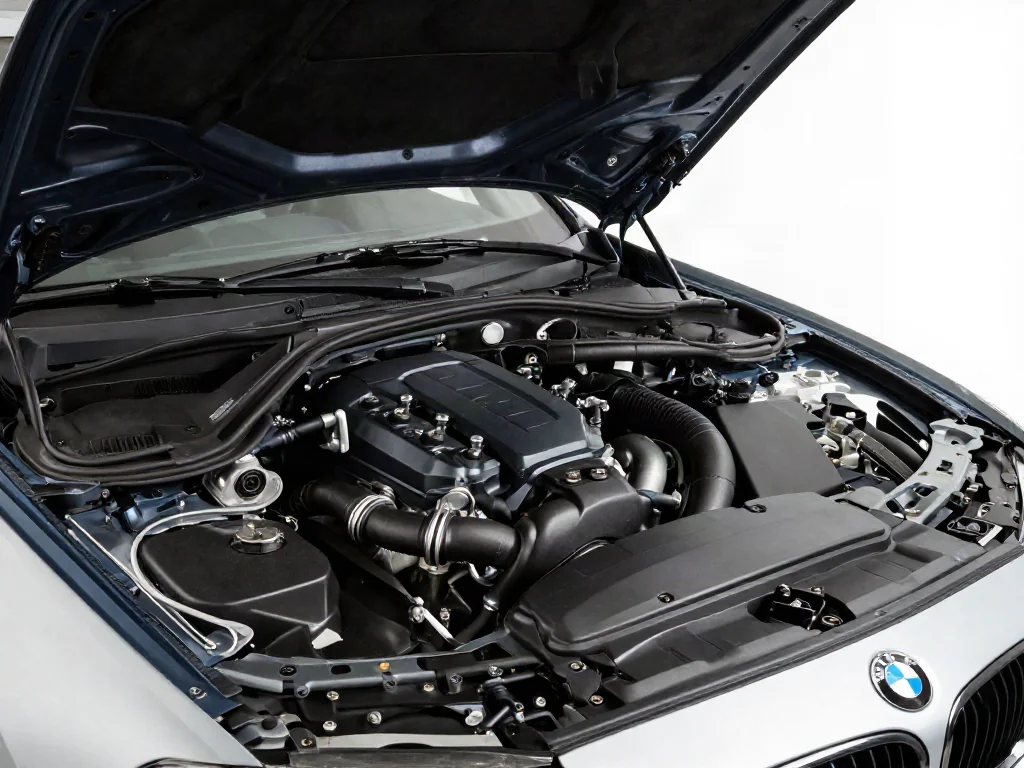
BMW crankcase ventilation problems show up across N52, N54, N55, and E46 engines, but the hardware is not interchangeable. An N54 PCV valve, an N55 PCV valve, an N52 PCV valve, and an E46 PCV valve occupy different places in the CCV system. Selecting a BMW 335i PCV valve still requires the engine code before replacement, because chassis and model names do not define the oil separator, pressure regulating diaphragm, or breather hoses.
Identify the Engine Before Choosing a BMW PCV Repair
Crankcase ventilation routes blow-by gases away from the crankcase toward a path the engine can consume, while a pressure regulating diaphragm or similar valve keeps crankcase pressure in a controlled range. Excess vacuum can pull oil past seals; excess pressure can push oil out of gaskets. E46 names a chassis generation and 335i names a model. Neither label identifies whether you have an N54, N55, or another family, so it cannot locate the PCV valve or CCV system.
A BMW 335i PCV valve replacement decision should start with the engine code, production date, and VIN-based parts information. The same 335i badge covered more than one turbocharged six, and later covers, separators, and breather hoses do not always match earlier ones. Technicians use PCV valve, CCV system, breather, and oil separator as overlapping names for crankcase ventilation hardware. Those labels describe function more than a single bolt-on part, so they should not be treated as proof that a separately replaceable valve is present.
Symptoms That Warrant Crankcase Ventilation Testing
A whistling intake note, rough idle, rising oil consumption, exhaust smoke, or oil leakage can appear when crankcase pressure is wrong or when a vacuum leak forms in the ventilation circuit. None of those signs proves that the PCV valve has failed. Intake leaks, valve-cover seepage, ignition misfires, and worn rings can produce the same idle quality, smoke, and oil use. Treat the pattern as a reason to test the CCV system, not as a parts verdict.
Record when the idle stumbles, when smoke appears, and whether oil use changes after highway miles versus short trips, then check the oil level with the method the vehicle specifies. Limit visual inspection to accessible covers and breather hoses with the engine off and cool. Persistent heavy smoke, severe rough running, or an oil-pressure warning is not a DIY diagnosis window. Stop driving and obtain professional assistance, because those conditions can point to lubrication or combustion problems beyond a ventilation valve.
N54 PCV Components and Replacement Scope
The N54 PCV valve sits in a crankcase ventilation circuit that includes valve-cover passages and hoses carrying blow-by toward the intake. On this engine the valve meters that flow and helps regulate crankcase pressure. BMW N54 PCV valve replacement still depends on the installed cover and any earlier ventilation modifications, because updated covers and aftermarket breathers change which component is in the car.
Replacing an accessible N54 PCV valve can leave faults in the cover, internal passages, or breather hoses unresolved. A replacement assessment should establish whether the suspected valve is serviceable, whether the cover is cracked or oil-soaked at the gasket, whether hoses are collapsed or oil-logged, and whether measured crankcase pressure or a confirmed vacuum leak actually supports the repair. N54 PCV valve replacement is a system decision, not a single-part swap based on idle noise alone.
N55 PCV Diaphragm and Valve Cover Repair Decisions
The N55 uses a valve-cover-integrated crankcase ventilation arrangement, with a pressure regulating diaphragm in the cover rather than a remote canister. Confirm the exact cover version, because an N55 PCV valve layout and any service kit must match the installed assembly. A diaphragm fault can disturb crankcase pressure and create idle, oil consumption, or vacuum leak symptoms, yet those signs still require diagnostic confirmation before any BMW N55 PCV valve replacement proceeds.
Before ordering parts, verify whether the affected N55 PCV valve has an approved separate service procedure or whether the manufacturer route is valve cover assembly replacement. A diaphragm repair kit can restore the regulating membrane, but it cannot establish that the remaining cover, ventilation passages, seals, and breather hoses are sound. Oil in the intake, a warped cover flange, or a cracked plastic housing can keep crankcase pressure unstable after the kit is installed, so the estimate should include inspection of those related surfaces.
N52 Ventilation Layout and Serviceable Components
N52 PCV valve service starts by confirming the production version and the valve cover actually bolted to the engine, because mid-cycle cover changes can move the ventilation hardware. Some N52 applications use an external oil separator arrangement; others fold crankcase ventilation components into the cover. Those layouts are not interchangeable by engine family name alone. Identify the separator, pressure regulator, breather hoses, and oil-return path for the confirmed hardware before treating any one piece as the failed PCV valve.
The actual failed component and its serviceability decide the repair. Collapsed or oil-soaked hoses can be the only needed work if the separator and regulator still control crankcase pressure. A restricted oil separator may be replaceable on an external layout, while a cover-integrated regulator may force a cover assembly. Until that distinction is made, ordering an N52 PCV valve is a guess that can miss the oil-return path and leave oil consumption or leak symptoms in place.
E46 CCV Diagnosis Starts With the Engine Code
Selecting an E46 PCV valve by chassis alone cannot establish component location or parts fitment across every engine used in that generation. Different engines in that range use different separators, valve covers, and breather hoses, so a chassis-level catalog is not a substitute for the engine code. Confirm that code first. Only then can a technician locate the ventilation hardware instead of treating every E46 as if it used one shared PCV valve.
For a confirmed engine with an external CCV arrangement, the oil separator knocks liquid oil out of blow-by, connected hoses carry vapor toward the intake, and an oil drain path returns liquid to the crankcase. Brittle hoses, restricted ventilation, and a blocked drain are conditions to inspect because they can raise crankcase pressure or pull oil into the intake. Deposits or moisture under the oil cap alone do not confirm CCV failure. Operating conditions and professional findings supply the context those visual clues lack.
Professional Tests and Checks Before Approving Replacement
Professional diagnosis should measure crankcase pressure against the engine-specific specification and use leak testing suited to the intake and ventilation circuit. Improvised tests at the oil filler can mislead, because they do not isolate the PCV valve from the cover, hoses, or intake. Oil-cap suction, a recorded whistle, and stored fault codes are clues, not component identification. A fault code is evidence to interpret, not proof a part has failed, and manufacturer-dependent codes still need vehicle-specific confirmation.
A useful repair estimate names the confirmed engine and assembly, the diagnostic findings, the proposed components, associated seals or breather hoses, and the labor scope. That applies to BMW N54 PCV valve replacement, BMW N55 PCV valve replacement, and BMW 335i PCV valve replacement once the engine is identified. After the work, verify with pressure checks, leak inspection, idle assessment, and oil-consumption monitoring rather than expecting every symptom to disappear immediately.