BMW Hybrid Battery Replacement Cost and Warranty Coverage Explained
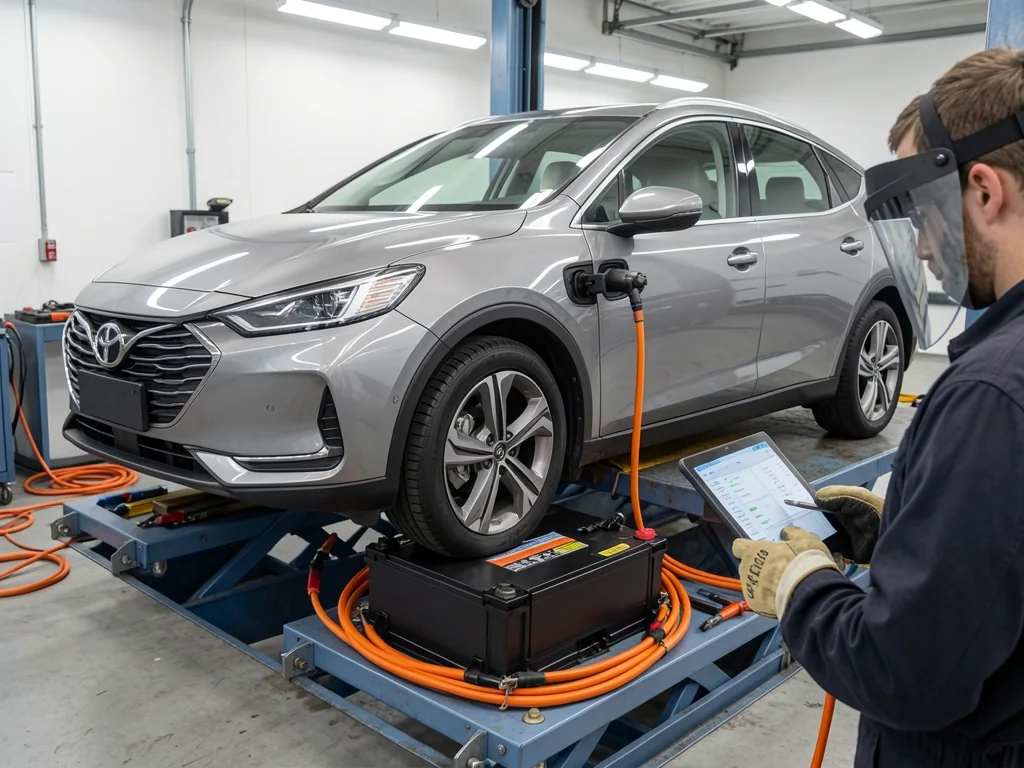
Owning a BMW hybrid means balancing advanced efficiency with the eventual question of battery service. When the high-voltage pack ages, drivers often search for a realistic BMW hybrid battery replacement cost. Understanding the drive-system type, warranty language and diagnostic process helps you avoid unnecessary expense. A warning light or shorter electric range does not automatically mean a full pack failure, so careful interpretation of symptoms and written quotes is essential before committing to work.
What Drives BMW Hybrid Battery Replacement Cost
The first factor is which hybrid architecture your BMW uses. A 48-volt mild hybrid battery is small and relatively simple, supporting start-stop and brief electric boost. Full hybrid and plug-in hybrid packs are larger, more complex and more expensive because they store far more energy for electric-only driving. The physical size, cell count and integration with cooling and power electronics all influence the parts bill, so a replacement cost for one model cannot be assumed for another.
Beyond battery type, the choice of part changes the price substantially. A new factory high-voltage pack carries the highest cost but usually offers a fresh factory warranty. A remanufactured hybrid battery reuses tested hardware and costs less, while a battery module repair addresses only failed sections. Not every option is offered for every BMW model, and the final invoice must also account for labor, high-voltage diagnostic time, software coding and calibration. Request an itemized written quote with separate parts, labor and diagnostic charges so you can compare options fairly.
How BMW High-Voltage Battery Warranty Coverage Generally Works
High-voltage battery coverage is usually separate from the basic new-vehicle warranty, with its own duration and conditions. The exact terms vary by model year, engine and market, so the warranty booklet for your VIN is the only reliable source. Some BMW hybrids carry 8-year/100,000-mile high-voltage coverage, but that is not universal, and later owners should not assume the original terms apply unchanged. Confirm the battery warranty before any repair is authorized.
State emissions warranty rules can extend or change coverage for plug-in hybrids in certain regions. Some states require longer protection for components that reduce emissions, including the battery. Owners should check the rules where the car was first sold and currently registered. Coverage for outright failure differs from coverage for gradual capacity loss; many warranties do not promise a minimum electric range after years of use. When buying used, ask a BMW dealer to run the VIN and confirm the remaining battery coverage in writing.
Warning Signs That a Hybrid Battery Needs Attention
Common warning signs include a hybrid system warning message, noticeably shorter electric-only range, charging interruptions, reduced electric assist during acceleration or a cooling fan that runs constantly. These symptoms indicate the battery management system is detecting an issue, but they do not identify the cause. A battery state of health check is needed to see whether the pack itself is degrading, a module is out of balance, or a supporting component is sending a false reading.
Reduced range alone is not proof of battery failure. Cold weather temporarily lowers usable capacity, aggressive driving increases consumption, and frequent fast charging can alter the battery's reported state of charge. Software updates sometimes change how range is calculated. The high-voltage pack and orange cables are dangerous and must never be opened or handled by an owner. If you see a high-voltage system warning, smell burning or notice unusual heat, stop driving and contact a qualified workshop immediately.
Why a Professional Diagnosis Should Come Before Replacement
A professional diagnosis uses dealer-level or specialist equipment to read individual cell voltages, module temperatures, insulation resistance and the battery management system's stored data. This goes far beyond a generic OBD scan. The goal is to determine whether the pack has a weak cell, a failed sensor, a cooling problem or a communication fault. Only after that assessment can a shop tell you if replacement is necessary and whether a module-level repair is plausible for your vehicle.
Fault codes from a hybrid system are manufacturer-specific. A code that suggests one failure on a different brand or model may mean something else entirely on your BMW, so no universal definition should be assumed. Other parts can cause battery-like symptoms: a failing 12-volt battery, an onboard charger fault, a blocked cooling circuit or outdated software. Get a written diagnosis that states the failed part and the measured values before approving any major expense, especially if you plan a warranty claim.
Choosing a Replacement Option and a Qualified Shop
When comparing options, ask what warranty comes with the replacement battery and what happens if it fails during that period. A new factory pack usually includes the longest coverage, while a remanufactured hybrid battery may carry a shorter term and a module repair may be limited to the specific parts replaced. Confirm that any pack or module is matched to your VIN and build date; a seller's assurance that it fits is not enough. The shop should verify compatibility through BMW's parts catalog or equivalent data.
The shop you choose should have trained high-voltage technicians and proper isolation tools, gloves and diagnostic equipment. You can politely ask about their certification and experience with BMW hybrids before leaving the car. After installation, many BMW models require coding, registration or software updates so the battery management system recognizes the new pack and balances cells correctly. Skipping these steps can cause charging errors or poor performance, so include them in the written quote.
Filing a Warranty Claim and Protecting Battery Health
A strong warranty claim starts with records: service history, notes on warning messages and charging behavior, and any written diagnosis. If coverage is denied, ask for the reason in writing and review the exact warranty language. You can contact BMW customer relations to escalate a claim, and a second opinion from another authorized dealer may help. Keep all communication and receipts, because the process can take time and may require evidence that the failure occurred within the coverage period.
For used-car buyers, confirm the remaining high-voltage coverage through a dealer using the VIN and ask for a battery state of health report before purchase. For owners, follow the charging and storage guidance in the owner's manual. Avoid leaving the car at a very low or very high state of charge for long periods when possible, keep the software up to date, and do not ignore warning messages. These habits support battery longevity but do not override the mechanical limits of the pack.