BMW EV Battery Guide: Pack Design, Warranty and Replacement Cost Factors
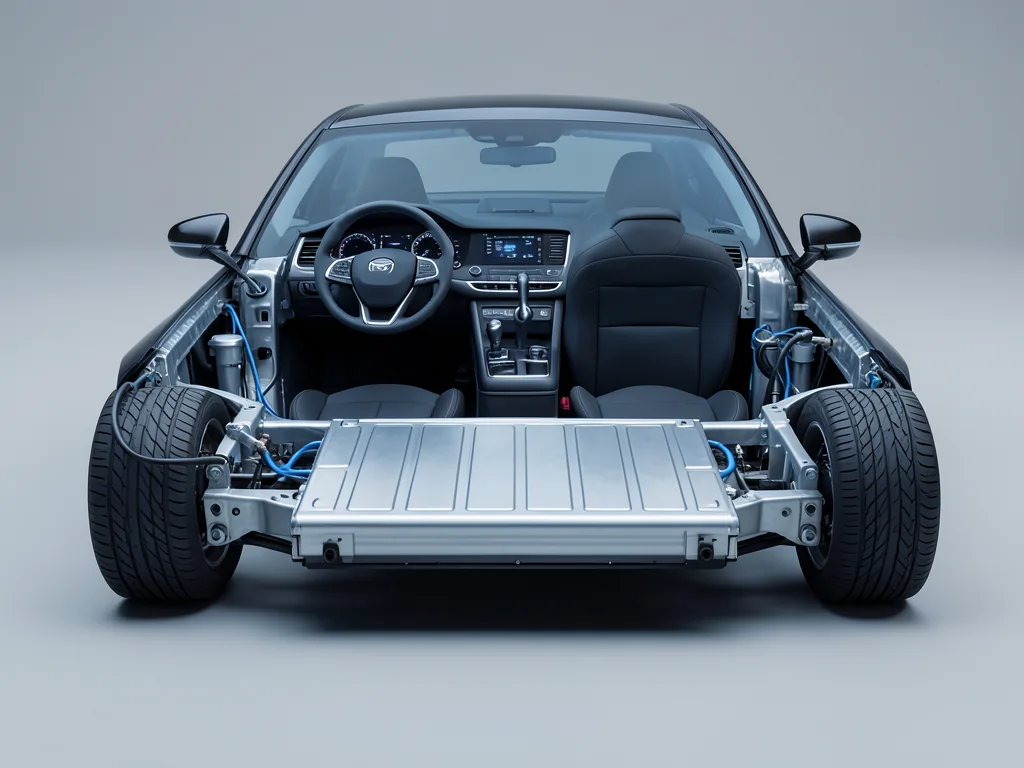
BMW's electric models use a high-voltage traction battery that is central to range, charging, and long-term ownership costs. Understanding the pack design, warranty coverage, and factors that affect battery health helps owners and buyers make confident choices. For used buyers, confirming the original in-service date is essential because the battery warranty clock starts then, and coverage can pass to later owners under the same defect terms.
Understanding the BMW EV Battery Across i3, i4, iX and Newer i Models
The main BMW EV battery is the high-voltage traction pack, entirely separate from the 12-volt battery that powers lights, infotainment, and startup electronics. In fully electric models such as the i3, i4, iX, and newer i-series vehicles, this pack provides propulsion energy. Plug-in hybrid BMWs also carry a high-voltage battery, but it is smaller, has different warranty terms, and operates alongside an engine, so owners must confirm which type of vehicle they have.
Each model has a specific gross capacity and usable capacity printed on the window sticker or in the owner's documentation. Usable capacity is the portion of the battery the car allows for driving, leaving a buffer to protect long-term health. Because these figures vary by model year, trim, and software, owners should rely on their own paperwork rather than generic online listings. Understanding that distinction helps interpret range estimates and any future capacity-retention warranty claims.
How a BMW EV Battery Pack Is Built: Cells, Modules, Cooling and Management
A typical BMW EV battery pack is mounted under the floor, with individual cells grouped into modules or larger assemblies inside a sealed, crash-protected housing. This layout lowers the center of gravity and protects the cells from impact, but the exact arrangement changed across generations. The battery management system continuously monitors cell voltage and temperature, balancing cells so they stay within safe limits and limiting power or charging when it detects stress.
Liquid thermal management circulates coolant through the pack to maintain an optimal temperature range. In cold weather, this helps the battery accept charge faster by warming it before DC fast charging, and in hot weather it prevents overheating that would accelerate wear. Because the pack operates at lethal voltage and requires special isolation checks, it is not user-serviceable. Owners should only perform visual checks of the exterior and never open or probe the housing.
BMW EV Battery Warranty: What It Covers and How to Check Your Terms
BMW provides a separate high-voltage battery warranty with time and mileage limits that differ from the rest of the car. Exact terms appear in the warranty booklet, and a dealer can verify them using the VIN. The warranty typically covers defects in materials or workmanship, but a capacity-retention clause may promise a minimum state of health over the term. To evaluate a claim, a dealer performs a battery health test measuring usable capacity, isolation resistance, and any stored fault codes.
Coverage generally transfers to subsequent owners, but the in-service date—when the car was first delivered—starts the warranty clock. Used buyers should confirm that date and any dealer-performed warranty repairs. Exclusions in the policy often include collision damage, flooding, unauthorized repairs, or modifications. In some regions, state emissions rules or certified pre-owned programs may extend coverage, but assumptions are risky, so readers should verify their specific warranty wording with a dealer.
When BMW EV Battery Replacement Is Actually Needed
Normal aging causes gradual capacity loss, but a fault like a failed battery module, an isolation fault, or a cooling system problem can trigger sudden range reduction or warning messages. Symptoms owners might notice include less range than usual for the same driving conditions, high-voltage system warnings, charging that is limited or refused, or reduced power mode. These clues suggest a problem but cannot identify the root cause without proper diagnostics.
Generic scan tools may read some codes, but evaluating a BMW EV battery requires a dealer or qualified EV shop capable of a battery health test and an isolation check. The technician may find that only one module or a peripheral component needs replacement, avoiding a full pack. After collision damage, water intrusion, burning smells, smoke, or visible swelling, owners should stop using the car and have it towed—never attempt high-voltage work themselves.
What Drives BMW EV Battery Replacement Cost
Replacement cost depends on the model, pack size, generation, whether a full pack or just a module is needed, and any applicable warranty or goodwill coverage. The estimate includes the battery or module itself, certified high-voltage labor, fresh coolant and seals, and programming or calibration after installation. Because pack designs differ, there is no single price, and online dollar figures are unreliable.
Owners may be offered a new, remanufactured, or used pack. Remanufactured and used options can reduce cost, but compatibility depends on exact part numbers and software version, and warranty terms vary. A written, itemized estimate from a BMW dealer or qualified EV specialist is the only way to know the true cost. High replacement cost can also push an insurance company to total a damaged EV, but thresholds vary by market and vehicle value.
Protecting Battery Health and Checking a Used BMW EV
Daily charging habits have the most direct impact on long-term battery health. Using the charge-limit setting in the car or app keeps the pack below 100 percent for routine driving, reducing stress on the cells. Avoid leaving the car at full charge or near empty for days, and if possible, keep it plugged in during extreme temperatures so thermal management can run. Frequent DC fast charging adds heat, especially without preconditioning, so a mix of slower AC charging is gentler.
When buying a used BMW EV, ask for a dealer battery health report showing state of health and any isolation fault history. Confirm the original in-service date and request a VIN check for open campaigns or recalls. Service records for high-voltage repairs, coolant changes, and software updates indicate how the car was maintained. The battery management system software is updated through dealer visits or over-the-air, and staying current can improve both range accuracy and charging behavior.