BMW Engine Oil Guide: TwinPower Turbo Oil and Longlife Approvals
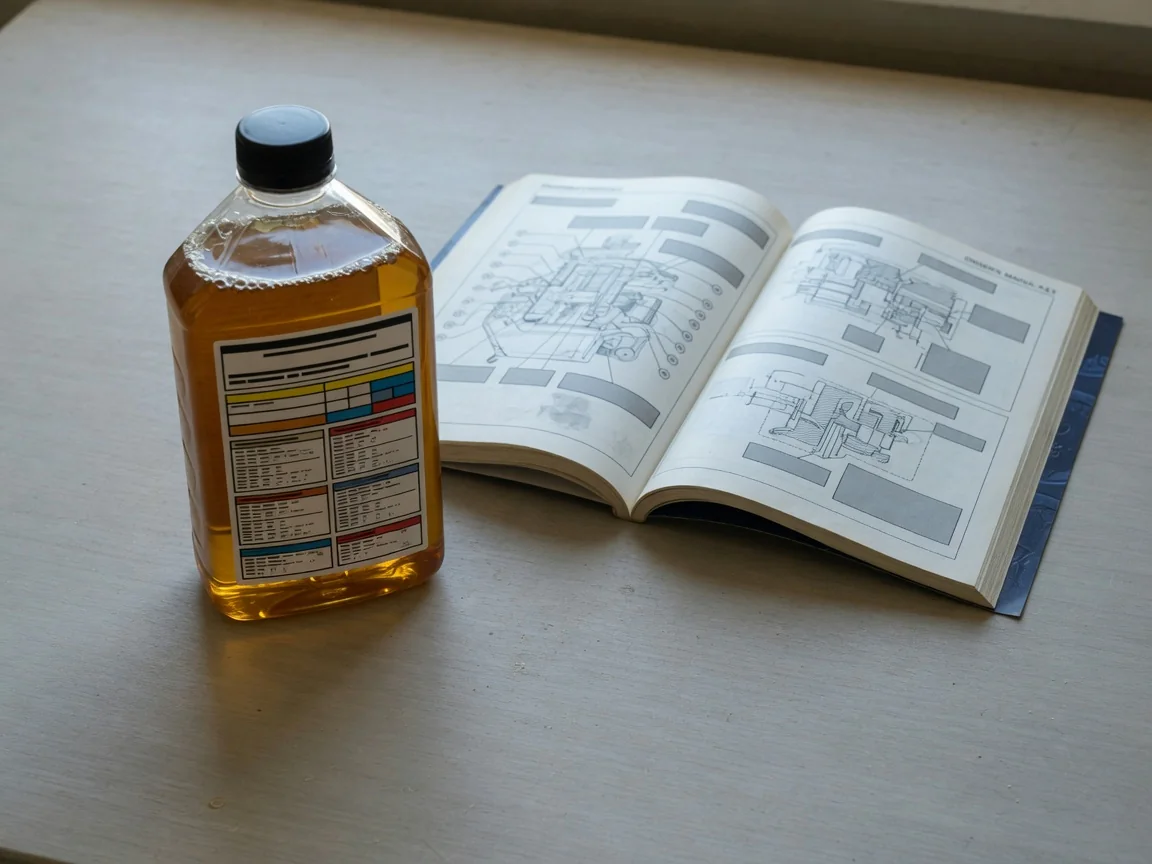
Choosing BMW engine oil starts with the vehicle's documented specification rather than a bottle name. TwinPower Turbo oil is BMW branding, and Longlife approvals describe performance requirements that viscosity alone does not satisfy. Engine oil for BMW use must match the approval and SAE viscosity listed for that model year, engine, and market. The owner's manual and oil approval label keep a top-up aligned with the intended specification.
Find the Oil Requirements for Your BMW
BMW engine oil requirements are assigned to a specific combination of model year, engine family, and market, not to the brand as a whole. Emissions equipment, calibration, and climate packages change which BMW Longlife approval and SAE viscosity grade are permitted. An oil that is correct for one TwinPower Turbo engine can be wrong for another of similar displacement. For that reason, engine oil BMW buyers should treat the vehicle, not one grade for every model, as the source of the specification.
The owner's manual and vehicle-specific BMW documentation list the applicable approval and the permitted viscosity grades for that car. When those pages are missing, contradictory, or unlabeled after an engine change, a VIN-based inquiry with BMW can return the current engine oil specification for that chassis. That inquiry is useful because a single grade or Longlife designation is not suitable for every BMW. Confirm the listed approval and SAE range before buying oil rather than assuming a popular bottle covers the fleet.
What TwinPower Turbo Means on an Oil Bottle
BMW TwinPower Turbo engine oil is a branded product line, not a statement that the oil matches a particular engine. The TwinPower Turbo name on a bottle identifies marketing for BMW oil, including formulations sold for turbocharged applications, but it does not by itself confirm the required Longlife approval or SAE viscosity grade. Engine oil for BMW still has to be selected from the vehicle's listed specification. Treating the branding as a universal match can put the wrong oil into an engine that needs a different approval.
Shoppers looking for BMW twin power turbo engine oil or BMW twin turbo engine oil are often seeing this branded product, not a description of the car's turbocharger layout. Twin Power spacing and twin turbo wording can refer to the same oil family, and neither phrase establishes whether the engine uses one turbocharger, two, or none. Even when the container carries BMW branding, check the exact product's Longlife approval and SAE viscosity. BMW oil engine selection still depends on those printed details, not on the TwinPower name.
Understand BMW Longlife Approvals
A BMW Longlife approval identifies an oil specification with defined performance requirements for wear protection, deposit control, and compatibility with the engine's aftertreatment and sealing materials. SAE viscosity grade describes flow behavior, not those chemistry and durability tests. An oil can carry a familiar winter and operating-temperature rating and still lack the approval the vehicle requires. BMW engine oil selection therefore treats the Longlife designation as the compliance marker, and viscosity as a separate permitted range listed beside it.
The vehicle documentation names an exact approval, and that designation must be confirmed on the oil approval label. Higher or later-looking Longlife numbers are not an upgrade sequence; each approval is a distinct specification, and using a different one is not a substitute unless the vehicle lists it. The Longlife name also does not authorize stretching the prescribed oil service interval. Service timing remains the schedule BMW published for that car, independent of how the bottle is branded.
Read the Viscosity and Approval Information
An SAE viscosity grade on a multigrade oil describes two flow conditions. The number before the W relates to cold-start pumping and cranking in winter temperatures, while the second number describes viscosity at normal operating temperature. Those figures help match climate and the permitted range in the owner's manual, but they do not replace the BMW Longlife approval. Engine oil for BMW must satisfy both the listed SAE range and the named approval; meeting only the viscosity portion leaves the specification incomplete.
The complete BMW approval designation appears on the bottle's oil approval label or in the product's technical documentation, usually as an explicit Longlife listing rather than a vague suitability claim. Explicit wording matters because a brand name, including TwinPower Turbo oil, does not identify which approvals that exact product and grade actually carry. Different viscosities in the same family can hold different approvals. Verify the printed designation against the vehicle's required specification before treating the oil as a match.
Choose Oil for a Top-Up Safely
Before buying oil for a top-up, confirm the engine oil specification the vehicle actually requires, including the BMW Longlife approval and the permitted SAE viscosity grade. Match those details on the bottle rather than relying on a previous purchase or a TwinPower Turbo label. An oil top-up should use a product that meets the same documented approval as the oil already in the engine when that information is known. If the current fill is unknown, pause and use vehicle-specific guidance instead of mixing by guesswork.
Check level with the procedure in the owner's manual, including any conditions required for an electronic oil level reading such as oil temperature, engine running state, and parking on level ground. That display is not a substitute for waiting until the specified conditions are met. Total service-fill capacity is the amount used at a complete oil change, not a top-up quantity, and adding toward that figure can overfill the engine. If the existing oil or an emergency substitute is uncertain, follow vehicle-specific guidance or qualified service advice rather than adding an unidentified product.
Know When Oil Selection Needs Professional Help
An oil-level message and an oil-pressure warning are not the same event, and the instrument cluster instructions for that vehicle define the correct response. A level message may allow a measured top-up after the electronic oil level procedure is completed as specified. An oil-pressure warning is different: stop the vehicle safely, shut off the engine, and obtain assistance rather than assuming added oil will restore pressure. Driving on after a pressure warning can damage the engine regardless of what BMW engine oil is later selected.
Repeated top-up needs, visible leaks, exhaust smoke, or abnormal engine noise are reasons for professional assessment; they are observations, not a diagnosis of a failed part. If the wrong oil may have been added, tell the technician the product name, the approval printed on the oil approval label, the SAE viscosity grade, the approximate amount, and any warning messages that appeared. That record helps a shop interpret the situation without guessing. BMW engine oil choice after such an event should wait on vehicle-specific confirmation rather than another unverified bottle.