BMW Electric Range Guide: i3, i4, iX, iX3, i8, X5 and XM Explained
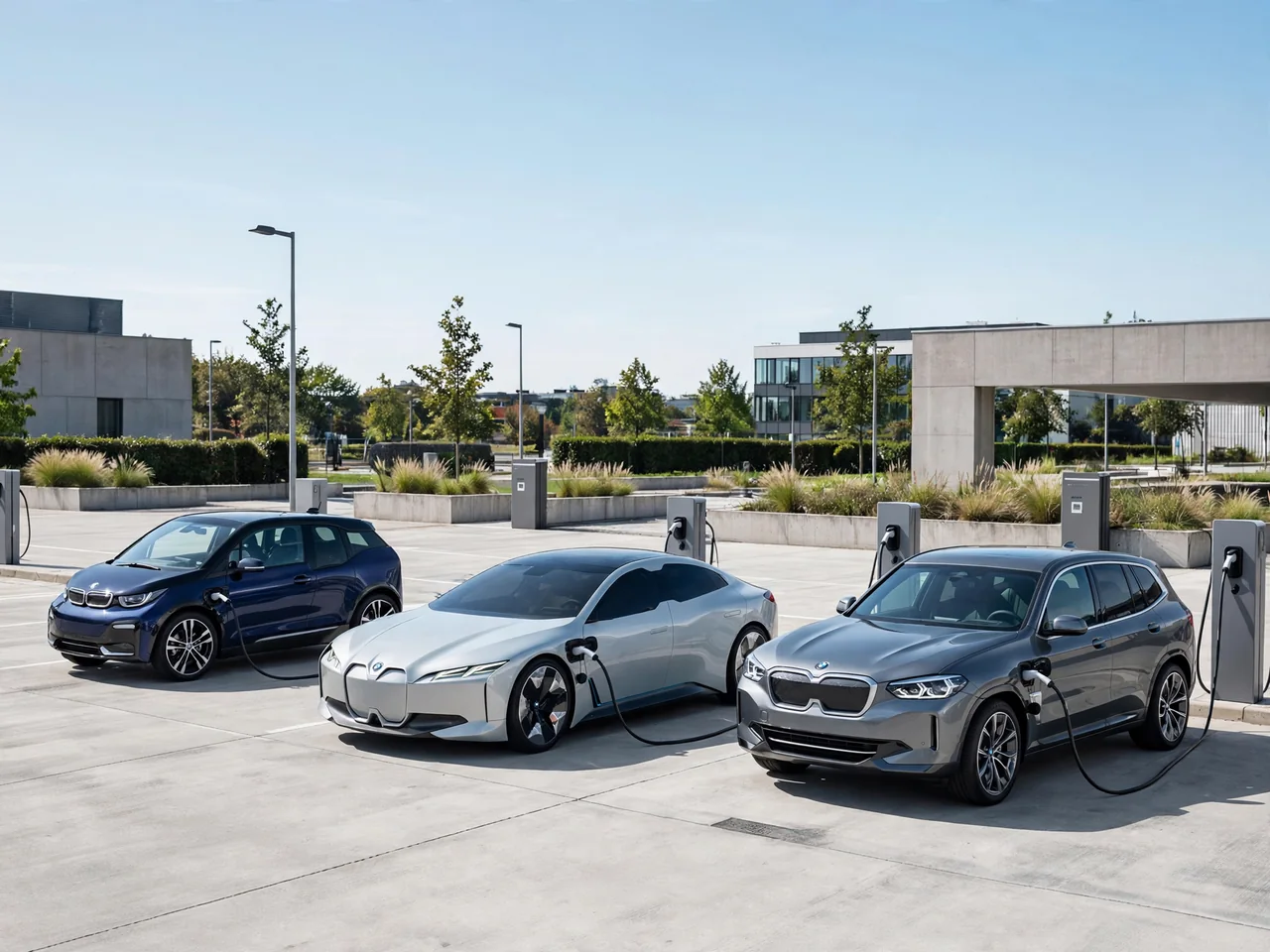
BMW EV range questions span everything from the city-sized i3 to the flagship XM. The answer depends on model, battery generation, drivetrain, and even wheel size. EPA-rated range gives the most realistic US number, while WLTP figures are optimistic. This guide explains what determines miles per charge across BMW's electric and plug-in lineup, which versions travel farthest, and how to evaluate official ratings for your specific vehicle.
How BMW Electric Range Is Rated and Why Real-World Miles Vary
In the US, the EPA-rated range is the figure to use because the test cycle includes highway speeds, cold starts, and climate loads. WLTP numbers, common in Europe, are typically higher because the procedure runs at lower average speed with milder acceleration. Comparing a WLTP figure for one BMW to an EPA figure for another will overestimate the US range. Always use the same standard when comparing two cars, and check the window sticker or the official government fuel economy website for the EPA number.
Rated range changes with the exact build. Larger wheels add rotating mass and aerodynamic drag, sometimes cutting range by 10–15 miles. All-wheel drive adds a front motor and extra weight, lowering range compared to a rear-wheel-drive version of the same model. Performance trims often use stickier, wider tires that further reduce efficiency. Even within one model year, a base i4 on 18-inch wheels can outrange a loaded M50 with 20-inch wheels, so verify the configuration-specific rating.
BMW i3 Range Across Battery Generations and the Range Extender
The BMW i3's battery grew during production. Early US cars from 2014–2016 used a 22 kWh pack with roughly 81 miles of EPA range. A 33 kWh pack arrived for 2017–2018 in the standard i3, raising the estimate to 114 miles. The 2019–2021 i3 and i3s kept the 33 kWh pack, with the sportier i3s rated slightly lower due to wider tires. Check the model year and battery capacity from the vehicle documentation, not the dashboard guess.
Range extender (REx) models added a small gasoline engine that charges the battery when it gets low, extending total driving range as long as there is fuel. The i3 REx has a smaller fuel tank, and the engine does not directly drive the wheels. This makes it practical for occasional longer trips, but the electric-only range is the same or slightly lower than the battery-only version because of the added weight. Have a BMW technician perform a battery state-of-health test if buying used.
BMW i4 Range by Trim, Drivetrain and Wheel Choice
The i4 is offered in rear-wheel-drive and all-wheel-drive forms. The single-motor eDrive40 is the efficiency leader, while the dual-motor M50 delivers more power but less range. Larger wheel options, typically 19 or 20 inches, reduce the official EPA figure compared with the standard 18-inch wheels. Performance tires also cost range. Because ratings can change year to year, a 2023 i4 eDrive40 on 18-inch wheels may have a different EPA number than a 2025 car.
Driving habits can stretch real-world i4 range. Use preconditioning while plugged in to warm or cool the cabin and battery before departure, saving energy from the pack. Brake regeneration in B mode recovers energy during deceleration, especially in stop-and-go traffic. The car's efficiency displays show instantaneous consumption and driving style tips. Keeping speeds moderate on the highway matters more than any accessory use, because aerodynamic drag rises sharply above 65 mph.
BMW iX and iX3 Range: Electric SUVs and Market Availability
The iX is a large electric SUV where version and model year change the rating. The xDrive50 offers a balance of range and power, while the high-performance M60 trades miles for acceleration. Wheel size also plays a role: 20-inch wheels typically deliver the longest range, and larger 21- or 22-inch designs cut the EPA estimate. Some model years received updated battery chemistry or motor tuning, so a 2023 iX xDrive50 may differ from a 2025 car.
The earlier iX3 was not sold in the US, so any WLTP range quoted online does not reflect an EPA number for an American-market car. SUVs like the iX are heavier and taller than sedans, increasing aerodynamic drag and energy use at highway speeds. This makes their real-world range more sensitive to speed and cold weather. Before assuming a range figure, confirm the exact version, model year, and rating standard for the vehicle you are considering.
Electric-Only Range in BMW Plug-In Hybrids: i8, X5 and XM
Plug-in hybrids such as the i8, X5 xDrive45e, X5 xDrive50e, and XM have two range numbers: electric-only miles from a charged battery and total range using gasoline. Electric-only range is usually between 15 and 50 miles depending on model and battery size. The total range is not EPA-certified like a pure EV because the gasoline engine can extend driving after the battery is depleted. Read the window sticker to see the official electric range for the specific version.
The i8 is a plug-in hybrid sports car with a small battery. Early US models were rated around 15 miles electric-only; later cars with a larger battery improved to about 18 miles. The X5 plug-in hybrid changed significantly: the xDrive45e had around 30 miles of electric range, while the newer xDrive50e can exceed 40 miles. The XM is a high-performance SUV with roughly 30 miles of electric range, intended for daily short trips. Charging daily and selecting electric drive mode maximizes electric-only miles.
Which BMW EV Goes the Farthest and How to Choose by Range
To find the longest-range BMW EV, use the official EPA database. Filter by model year, trim, drivetrain, and wheel size because a single model can have several ratings. Often the efficiency-focused trim with rear-wheel drive and the smallest wheels delivers the most miles per charge. A powerful all-wheel-drive version of the same car can be 40–60 miles lower. No single model stays the winner forever, as battery updates and new trims change rankings each year.
Matching range to driving needs matters more than buying the highest number. If you drive under 50 miles daily and can charge at home, a 250-mile EV may be enough. Frequent road trips benefit from 300+ miles and fast charging capability. Charging speed also determines long-distance travel time: a 200-kW charger adds miles much faster than a 50-kW unit. Check DC fast charging rates and real-world charger availability along your usual routes, not just rated range.
What Newer BMW EVs Offer for Range and Efficiency
BMW's upcoming Neue Klasse platform promises significant range and efficiency gains through new cylindrical battery cells, 800-volt architecture, and lighter structures. Announced concepts suggest up to 30% more range and faster charging than current models, but these are projections, not final EPA numbers. The first Neue Klasse vehicles are expected in the US later this decade. Until official EPA ratings are published, treat any range figure as tentative and not comparable to today's models.
Newer EV designs improve efficiency through better motor inverters, heat pumps, and reduced aerodynamic drag. These changes mean a future model could offer the same battery capacity but travel farther. However, preliminary estimates from European WLTP cycles or manufacturer press releases do not equal US EPA ratings. When a new BMW EV reaches showrooms, check the window sticker for the EPA number for that trim and wheel choice. Confirm region and model year with a dealer before buying based on announced specs.