BMW E90 ABS Reluctor Ring Replacement Cost
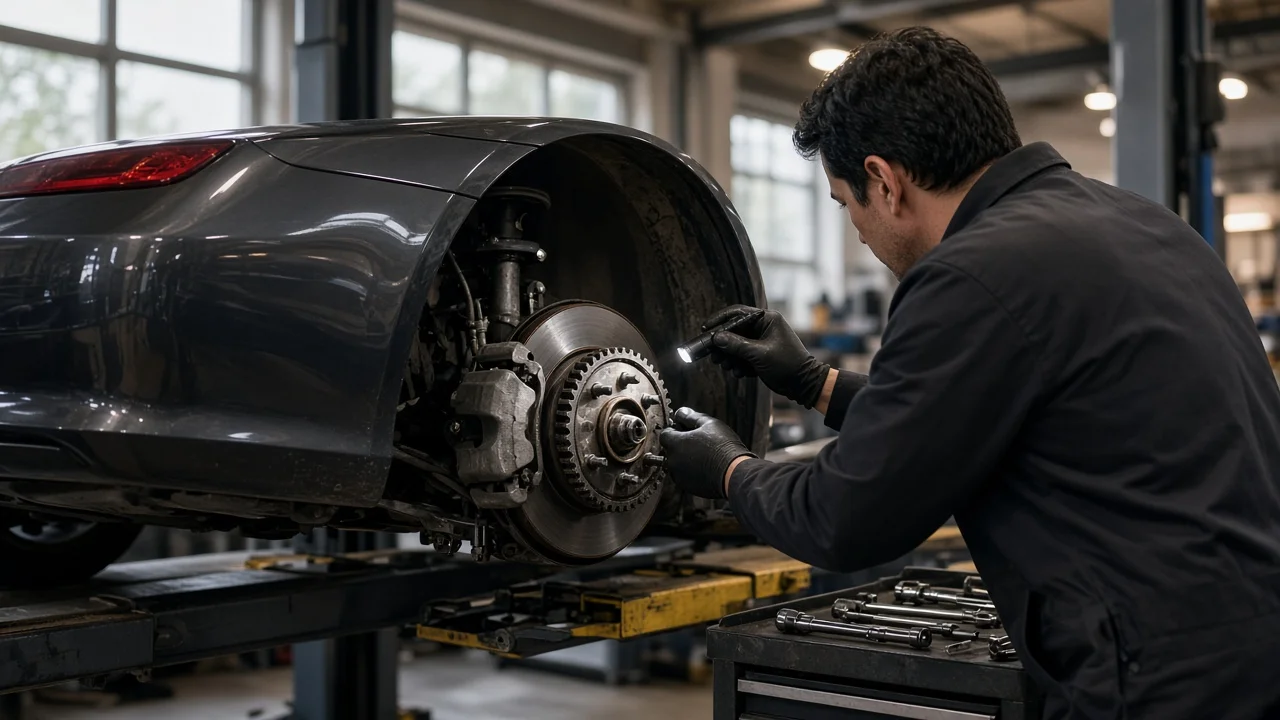
An ABS or DSC warning on a BMW E90 3 Series often traces back to a wheel speed signal problem, and the reluctor ring, also called a tone ring or encoder, is one possible cause. Before comparing prices, it helps to know what the job involves on this car. The part that carries the signal is often not sold on its own, and a low quote may cover only part of the work.
What the estimate includes
The E90 uses active wheel speed sensors. On many configurations they read a magnetic encoder rather than a classic steel toothed ring. That encoder is commonly built into the wheel bearing seal or hub assembly. In practice, replacing the reluctor ring on this car usually means replacing the hub or wheel bearing at the affected corner. A complete estimate covers several items. It should include the diagnosis that confirms the encoder is at fault, the hub or bearing assembly itself, and the labor to move the brake caliper and remove the rotor. It should also list any single-use fasteners and a road test after the fault memory is cleared.
Partial quotes leave pieces out. None of these is a total price: • a parts-only price; • a labor-only figure that assumes you supply the hub; • a diagnostic fee that stops at reading codes; Also separate a ring replacement from a sensor replacement. A failed wheel speed sensor, chafed wiring or a corroded connector can trigger the same warning lights, and fixing those is generally a smaller job. The estimate should name the component found faulty and explain how that was confirmed.
What changes the cost
Wheel position has the biggest effect on labor. On a rear-wheel-drive E90, a front hub is usually a bolt-on unit once the caliper and rotor are out of the way. A rear wheel bearing is pressed into the wheel carrier and involves the drive flange and axle nut. That means more labor and press tooling. On xDrive models, the front driveshaft adds work at each front corner. Hub and bearing part numbers vary by model year, engine and drivetrain, so confirm vehicle fitment by VIN rather than by model name alone.
Parts grade is the next variable. Genuine BMW, original-equipment supplier and aftermarket hub assemblies differ in price, encoder quality and warranty terms. Labor rates vary by region and by shop type: dealer, independent BMW specialist or general repair shop. The car's condition can also extend the job. Seized bolts, a corroded hub mounting face or a sensor damaged during removal all add time. Current prices depend on all of these factors, so treat any figure you see online as a rough reference and rely on local, itemized quotes.
Because the caliper and rotor come off, the technician has a clear view of the brakes. If the brake pads are close to their wear limits or the rotors are near minimum thickness, replacing them now avoids paying for the same disassembly twice. If they are within specification, there is no need to replace them. The hydraulic system normally stays closed during this job, because the caliper is hung aside without disconnecting the hose. A charge for brake fluid or bleeding should come with a reason.
Compare like-for-like options
The usual options each have trade-offs: • A complete hub or bearing assembly with a new integrated encoder is the standard repair. • Encoder-only repairs are rarely practical on integrated designs, and an improvised fix can leave the sensor with an unstable signal. • A used or salvage hub is cheaper, but its bearing wear and encoder condition are unknown. • Doing the work yourself can make sense at the front. You still need correct torque values and a BMW-capable scan tool to clear and verify the fault. The rear bearing also requires press equipment.
Compare quotes on the same scope before comparing totals. Check these points in each one: • the same corner; • the same part grade; • whether a sensor is included; • whether the diagnostic fee is credited toward the repair; • the warranty length on parts and on labor, and whether labor is covered if the part fails early; A shop may suggest replacing both sides of the axle. Unlike brake pads and rotors, wheel bearings do not need to be replaced in pairs unless the other side also shows play, noise or a signal fault.
Read an itemized quote
A useful quote lets you check the scope line by line. It should list: • the VIN used for parts lookup and the exact corner being repaired; • the stored fault codes and the live wheel speed data that pointed to the encoder rather than the sensor or wiring; • the part number and brand, and whether it is a full hub, a bearing only, or comes with a new sensor; • labor time and hourly rate as separate lines; • new fasteners and shop supplies; • applicable taxes; • measured pad and rotor thickness, if brake parts are recommended
Look for exclusions and conditional charges. Common examples are wording about additional faults found, extra time for seized or broken hardware, and a separate fee for a return visit if the warning comes back. Ask the shop to call for authorization before doing any work beyond the quote. If an alignment appears on the estimate, ask why it is needed for this repair on your car.
Decide the next step
Know what the warning lights mean before deciding how urgently to act. With an ABS or DSC warning, the base hydraulic brakes generally still work, but anti-lock braking and stability control may be disabled. Drive gently and arrange service soon. Stop using the car and have it inspected if any of these happen: • the red brake warning comes on; • the pedal feels low or soft; • the brake fluid level has dropped; • you hear grinding or humming from a wheel bearing
To get an estimate that actually applies to your car: 1) Have the fault codes read with a BMW-capable scanner. 2) Ask for live wheel speed data so the faulty corner and component are confirmed. 3) Get two or three itemized quotes for the same scope and parts grade. 4) Check that fitment matches your VIN. Avoid these shortcuts: • clearing codes without finding the cause; • swapping sensors at random; • fitting an unbranded hub with no warranty; • ignoring a noisy bearing; Any of these can turn a single-corner repair into repeat visits.