BMW E46 and E46 M3 Differential Fluid: Type, Interval and Change
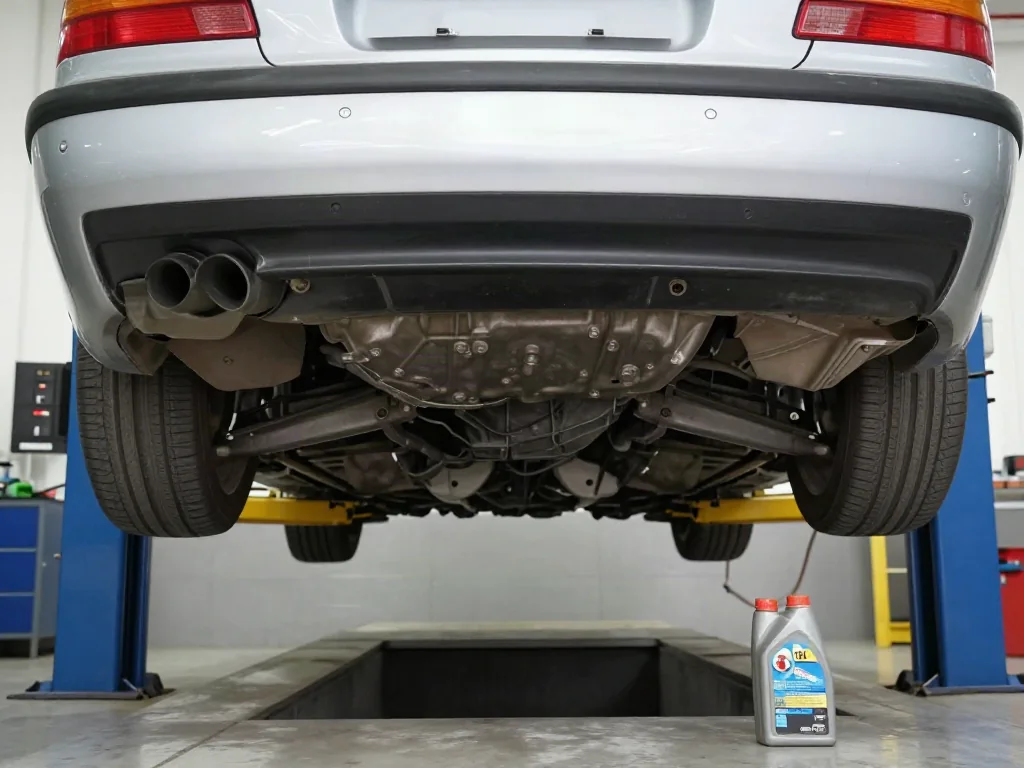
Fresh E46 differential fluid is key to a quiet, long-lived rear axle, but choosing the right gear oil and knowing when to service it can be confusing. E46 models include both open and limited-slip final drives, and BMW’s specifications vary with build details. Symptoms like differential whine, clunks, or seepage often trigger questions, yet the proper oil grade, friction modifier need, and drain-and-fill principles remain straightforward once confirmed for your exact car.
What the E46 Rear Differential Does and Why Its Fluid Matters
The rear differential uses hypoid gears that slide and roll under high pressure, so gear oil must cling to teeth and prevent metal-to-metal contact while carrying heat away from the bearings. Over time, heat cycles and mileage shear the oil’s viscosity improvers and oxidize the base stock, reducing its film strength. Hard driving accelerates this, so fluid degradation is gradual and usually contributes to noise rather than causing an immediate failure.
Noticing a mild whine that changes with throttle load, a metallic clunk when transitioning on and off the gas, or oily residue around the pinion seal can mean the lubricant is overdue for service—or it can indicate worn bearings, excessive backlash, or a damaged seal. None of these signs alone confirms fluid is the fault. Because the E46 generation spanned multiple engines and final drive ratios, identify your model, build date, and whether you have a limited-slip differential before shopping.
Choosing Differential Fluid for Standard E46 Models
Confirm the factory fill by consulting the owner’s manual, the BMW service booklet, a dealer parts department using your VIN, or a professional repair database. Some E46 differential housings carry a label with the oil specification. Gear oil viscosity grades like 75W-90 describe flow at low and high temperature, while API GL-5 means the lubricant contains extreme-pressure additives designed for hypoid gears. Any fluid you consider must meet the stated viscosity and service classification, not just carry a familiar brand name.
Forum recommendations and retail catalog filters are often useful leads, but they cannot account for production changes or special equipment, so treating them as proof risks a mismatch. Standard non-M E46 models with an open differential generally do not need additional friction modifier; the gear oil’s own additive package lubricates all moving parts without extra supplements. Still, you should verify that with the official specification, because a previous owner or an unusual option could affect the correct choice.
E46 M3 Limited-Slip Differential Fluid Requirements
An M3’s limited-slip differential uses clutch packs or plates that resist speed differences between the rear wheels, helping power reach the tire with grip while still allowing cornering. These clutch surfaces rely on the fluid’s friction characteristics to engage smoothly; a gear oil with the wrong additive balance can make the plates grab and release abruptly. Friction modifier adjusts that behavior. Whether the BMW-defined fluid already includes enough modifier, or whether extra is specified, depends on the exact application and must be confirmed with BMW literature or a dealer using the car’s VIN.
If an M3 shudders or chatters noticeably during tight parking lot turns, it often suggests the limited-slip clutches are not slipping and engaging the way they should—a classic sign of fluid mismatch or aged lubricant. However, the same behavior can come from worn clutch plates, preload issues, or other rear axle problems. Because the M3’s differential is more sensitive to oil chemistry than an open unit, professional inspection is the safe way to confirm the cause rather than assuming a simple fluid change will cure it.
How Often to Change E46 Differential Fluid
The only reliable interval comes from BMW’s official maintenance schedule for your model year, which a dealer or factory service documentation can confirm; do not rely on a remembered mileage figure from another owner. Some E46 service plans treat differential oil as a long-life fill, while others may specify replacement under certain conditions. Because schedules differ even within the generation, your exact car’s requirements should guide the decision, not a generic rule of thumb.
Track days, autocross, towing, extended high-speed driving, and consistently spirited acceleration expose the fluid to more heat and load than average commuting, so checking color and level annually under those conditions is prudent. When buying a used E46 or M3, request all service records and look specifically for differential fluid changes; an unknown history or high mileage suggests performing a drain and fill early. After draining, observe the old oil: dark color and a burnt odor hint at oxidation or overheating, but they cannot identify which internal component is worn or how much life remains.
Understanding the Differential Fluid Change Process
A basic differential service is a drain and fill: remove the fill plug first, then the drain plug, allow the old oil to fully drain, reinstall the drain plug with any required sealing washer, and pump fresh fluid into the fill hole until it just reaches the bottom edge. Keeping the car level is essential because the fill plug sets the correct oil level. The process is straightforward, but access, plug locations, and required torque values differ among E46 final drives, so service information for your specific model is necessary.
Loosening the fill plug before opening the drain is a critical safety habit: if a fill plug is seized or rounded, you must not drain the differential and then discover it cannot be refilled. Working under a vehicle requires proper jack stands or a lift; never support the car with only a hydraulic jack. Obtain the correct capacity, drain and fill plug torque specifications, and whether new crush washers are needed from BMW repair instructions. If you lack the right tools, a level workspace, or a legal way to recycle used gear oil, a qualified independent BMW shop can perform the change correctly.
After the Change: Checks and When to Seek Professional Help
After completing the service, drive the car gently for a few miles, then park over clean cardboard or a dry floor overnight and check for droplets around the drain plug, fill plug, and axle seals. A very light film may be residual spilled oil, but an active drip means a plug is undertorqued, a sealing washer was reused improperly, or a seal was already failing. Listen during that first test drive for changes: a correctly filled differential usually runs quieter, but noise that remains unchanged after fresh oil indicates wear, not neglect.
Persistent whine under load, grinding on deceleration, rhythmic vibration, or a noticeable clunk when engaging gear all require a professional diagnosis because new lubricant cannot restore worn gears, bearings, or limited-slip clutches. If your drain plug has a magnetic tip, a light gray fuzz is normal, but larger flakes or chunks of metal suggest internal damage and warrant immediate inspection rather than home interpretation. Record the date, mileage, fluid specification, and capacity used; this documentation supports future service intervals and adds value when you sell the car.