BMW Brake Fluid Warning Light Reset: When and How to Do It
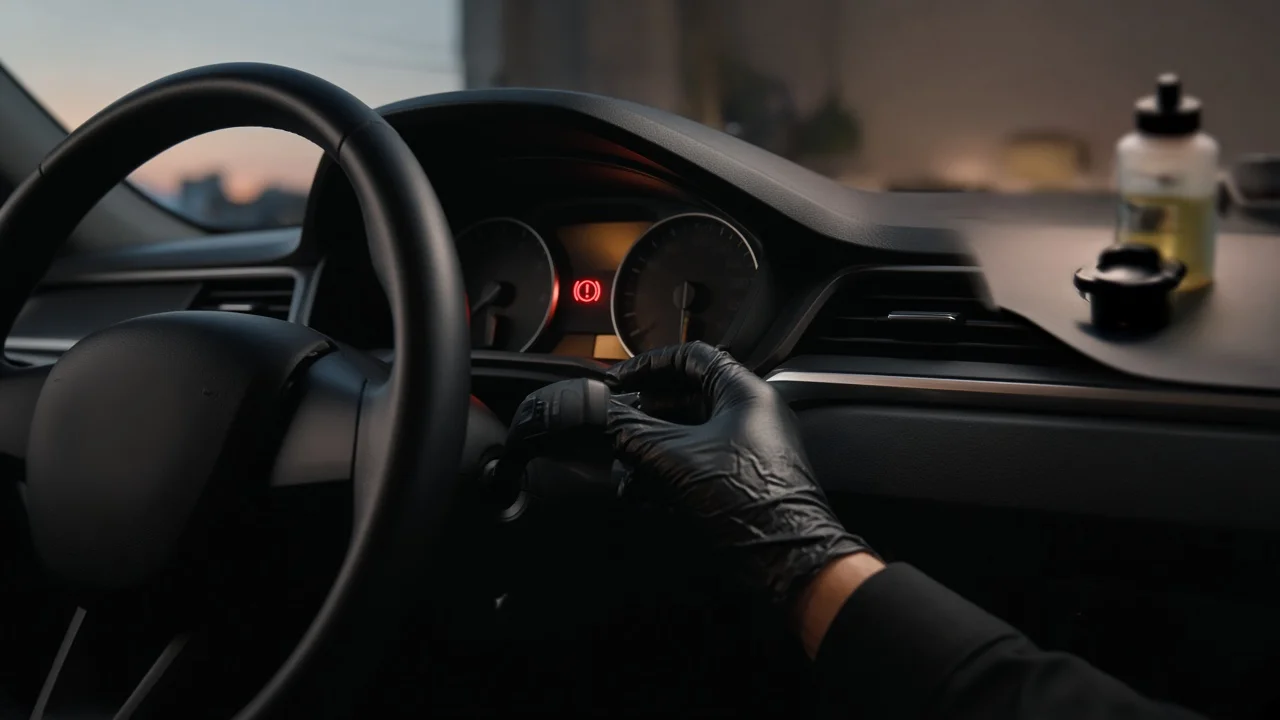
A brake fluid message on a BMW can mean two very different things. It may be a scheduled service reminder from the Condition Based Service system, or it may be a warning that the fluid level in the reservoir has dropped. You should reset only the first, and only after the fluid has actually been replaced. This guide also applies to 1 Series owners. It explains how to tell the two apart, what to check and when to stop driving.
Establish the symptoms
Start by noting exactly what the instrument cluster shows and when it appears. A service reminder usually shows a brake fluid symbol with a due date or an overdue indication. It often appears alongside other service items such as engine oil or a vehicle check. It typically shows at start-up or in the service menu, and the car brakes normally. A fluid level warning usually shows a brake warning symbol, often red, with a text message about brake fluid. It may come and go when cornering, braking hard or parking on a slope, because the fluid moves around in the reservoir.
Write down any associated signs. These include a soft or sinking pedal, longer pedal travel, pulling to one side, grinding noises, a separate brake pad wear warning or damp patches near a wheel. Also record any recent work. A fluid change without a reminder reset, new brake pads or rotors, a battery disconnection or a replacement instrument cluster all change how you should read the message.
Distinguish plausible causes
The first possible cause is a service reminder that is due or was never reset. On many BMW models, the Condition Based Service system tracks brake fluid by time rather than mileage, commonly on a two-year interval. A reminder is the most likely explanation when the message shows a due date or overdue status, the brakes feel normal and the reservoir level is correct. Service records showing a recent fluid change with no reset strongly support this. If there is no record of a change within the interval, treat the fluid itself as due.
The second possible cause is a low level from normal wear. As the friction material on the brake pads wears, the caliper pistons move outward. More fluid then sits in the calipers, and the reservoir level falls gradually. A level near the minimum mark combined with thin pads or a pad wear warning supports this explanation. Clearly thick pads weaken it, because the missing fluid must have gone somewhere else.
The third possibility is a leak or a sensor fault. A falling level with good pads points to a leak. Likely places are a caliper, flexible hose, metal line or the master cylinder. On manual transmission cars, the leak may also be in the clutch hydraulics, which share the reservoir. Wetness, a soft pedal or repeated top-ups support a leak. A sensor, connector or wiring fault is more likely if the warning stays on while the level sits between the marks, the pedal is firm and no fluid is being lost. Only electrical testing can confirm that.
Checks in a useful order
Start with checks any owner can do safely. Park on level ground with the engine off and find the reservoir under the hood. Compare the fluid level against the minimum and maximum marks; on some models a cover hides the reservoir, so use a light. Open the service menu in the cluster or central display and see whether brake fluid is listed with a due date. Look behind each wheel and along the underside for fresh wetness. With the car stationary and the engine running, press the pedal and note how it feels. Open the reservoir cap only if you have to, because brake fluid absorbs moisture from the air and damages paint.
Other checks need tools, specifications or a technician. Pad thickness has to be measured against the manufacturer's wear limits, and rotor thickness against the minimum marked on the rotor. Both require removing the wheels and using measuring tools. Testing fluid condition needs a boiling point tester or moisture test equipment, because colour alone is not a reliable guide. Reading fault memory, testing the level sensor circuit and confirming correct parts for your model and year need a BMW-capable diagnostic tool and the relevant service data. On cars with ABS and stability control, bleeding the brakes may require a procedure run through diagnostic software.
Interpret the findings
Suppose the level is correct, the pedal feels normal, there is no sign of a leak and the reminder shows due or overdue. That only proves the reminder is active. It does not prove the fluid is fresh. If there is no reliable record of a change within the interval, replace the fluid before resetting. If a test shows high moisture content or a low boiling point, change the fluid whatever the reminder says.
A low level with worn pads makes normal wear a plausible explanation. Measure the pads and rotors before deciding what to replace. Avoid topping up before fitting new pads: when the pistons are pushed back, the reservoir can end up overfull. A low level with good pads, or any visible leak, means the hydraulic system needs inspecting to find the leak before any parts are replaced; topping up only hides the problem. A warning that stays on with a confirmed correct level calls for electrical diagnosis rather than replacing the reservoir or sensor on a guess.
Resetting the reminder correctly
Reset the brake fluid service reminder only after the fluid has actually been replaced. On many models, including the 1 Series, you do this from the instrument cluster or central display with the ignition on and the engine off. Open the service menu, select brake fluid and confirm the reset. The exact button sequence differs between generations and equipment levels. Some cars allow a reset only through the iDrive menu or a diagnostic tool. Follow the owner's handbook or the service information for your exact model.
You cannot reset a low fluid level warning this way. It clears only when the sensor detects an adequate level. A successful reset of the service item therefore tells you nothing about the hydraulic system. If the level warning returns after topping up, treat it as fluid loss until proven otherwise.
Urgency and next action
Stop driving and arrange recovery if any of the following apply. The red brake warning stays on with a low level. The pedal feels soft, sinks or travels further than usual. The car pulls strongly when braking. Fluid is visibly leaking. A grinding noise suggests the pads are worn down to the backing plate. These signs can mean reduced braking ability, and you cannot assume it is safe to drive any further. An overdue service reminder on its own, with normal brakes, is less urgent. Book the service promptly anyway, because old fluid has a lower boiling point and can cause brake fade under hard use.
When you book the repair, give the workshop the following details. Include the model, year and VIN; the exact message and symbol and when it appears; the reservoir level you observed; and how the pedal feels. Add any wear warnings, recent brake or battery work and the service history, including the last fluid change. With this information, a technician can confirm the cause, choose parts that fit your car and reset the reminder only once the work is complete.