BMW B58 PCV Valve Symptoms and Replacement
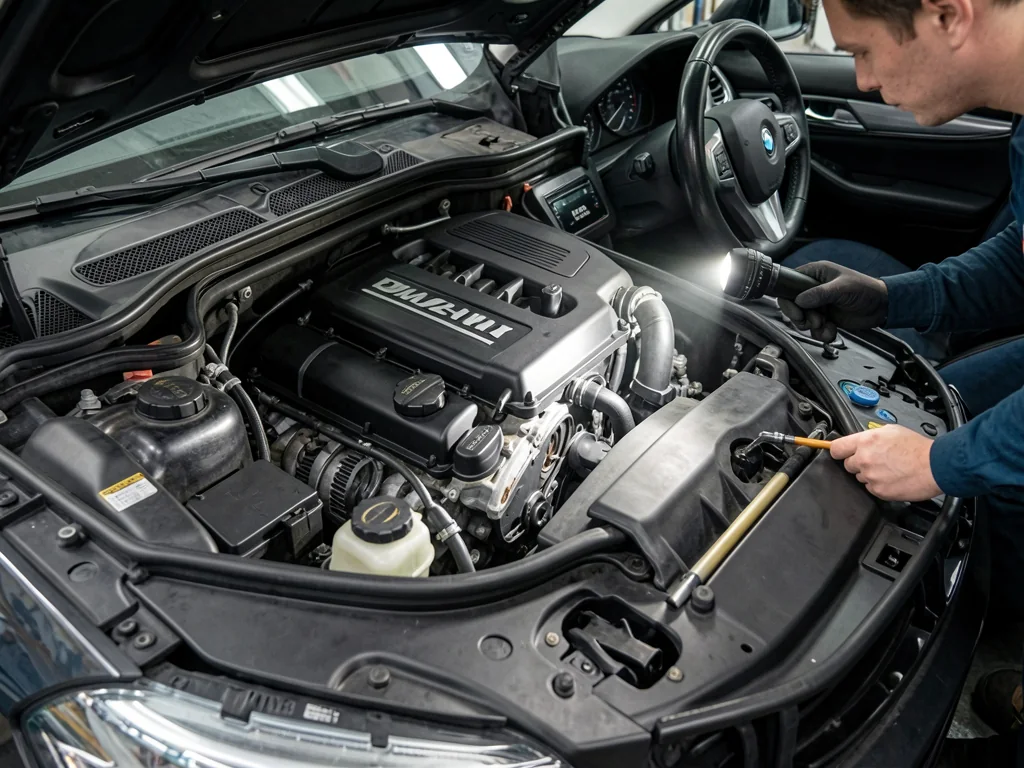
The B58 PCV valve belongs to the crankcase ventilation system that routes blow-by gases, separates oil, and helps regulate crankcase pressure. Owners searching for a PCV valve B58 often mean a diaphragm, oil separator, or valve-cover hardware rather than a standalone valve. Rough idle, whistling noise, exhaust smoke, and rising oil consumption can overlap with other faults. Identify the vehicle, engine version, and cover design before any BMW B58 PCV valve replacement.
How Crankcase Ventilation Works on the B58
On the B58, crankcase ventilation collects combustion gases that slip past the piston rings and routes them away from the crankcase so pressure does not build around seals and gaskets. An oil separator within the system knocks liquid oil out of that vapor stream so most lubricant returns to the sump instead of being drawn toward the intake. The PCV diaphragm and associated passages then help meter flow as engine load and vacuum change, keeping crankcase pressure within a controlled range rather than leaving the case sealed or wide open.
Many owners use B58 PCV valve as a shorthand for several ventilation parts, including a diaphragm, separator passages, and hardware integrated into the valve cover assembly. That language is useful for searching, yet it does not identify which piece failed or how it is serviced. B58 engines have been fitted with more than one valve cover design, so location and service options change with the installed cover and engine version. Confirm the vehicle, engine code, and cover type from identification data before describing where the PCV hardware sits or which replacement path applies.
Symptoms That Can Suggest a PCV Problem
A damaged PCV diaphragm or restricted oil separator can allow unmetered air, extra oil vapor, or abnormal crankcase pressure, and those conditions may show up as a whistling noise, rough idle, exhaust smoke, higher oil consumption, or seepage at gaskets. The same clues also appear with intake leaks, ignition misfires, worn rings, or a leaking turbocharger oil seal, so a single sound or a one-time smoke puff does not prove the PCV valve B58 hardware has failed. Treat the pattern as a reason to diagnose, not as a parts verdict.
Write down when the noise or idle change appears, how long it lasts, whether any warning messages appeared, and whether oil has been added or other work was just completed. That timeline helps a technician separate a cold-start whistle from a load-related leak or from oil burning that only shows after a long highway run. Severe running problems, heavy persistent exhaust smoke, or an oil-pressure warning are not wait-and-see items. Stop in a safe place, shut the engine down, and arrange professional assistance rather than continuing to drive while lubrication or combustion may already be compromised.
What Diagnosis Should Confirm Before Replacement
Owner checks should stay conservative: note the symptoms already recorded, follow the vehicle's published oil-level procedure, and look for wetness around the valve cover assembly and ventilation hoses only with the engine off and cool. Do not treat oil-cap suction as a pass-or-fail test. Cap feel changes with idle speed, temperature, and how the cap seals, so a tug or a lack of tug does not confirm a healthy or failed PCV diaphragm. Avoid running-engine checks at the filler, dipstick tube, or open ventilation ports, because those actions can introduce extra air and do not replace measured diagnosis.
A shop should measure crankcase pressure with equipment and specifications that match the identified B58 version, then inspect ventilation plumbing for collapsed hoses, cracked fittings, and oil-soaked separators. Intake leaks, ignition faults, and other oil-entry paths can mimic PCV trouble and deserve investigation before B58 PCV valve replacement is authorized. Stored fault codes are evidence to interpret, not proof a part has failed. Manufacturer-dependent codes need vehicle-specific confirmation of meaning, freeze-frame data, and related tests; a code that mentions mixture, misfire, or ventilation does not independently prove a defective PCV component.
Determining the Correct B58 PCV Replacement Scope
BMW B58 PCV valve replacement starts with VIN-based parts identification and the service information that applies to that build, not with a generic listing titled PCV valve. Those sources establish whether the affected hardware is a separately serviced diaphragm, a separator element, or a function built into a larger valve cover assembly. Confirming the installed design matters because one cover may allow a limited repair while another requires the complete cover. Guessing from photos or from a neighbor's B58 can put the wrong gasket set, wrong cover, or unsupported kit on the estimate.
Associated ventilation hoses, seals, and the valve cover should be inspected for cracks, collapse, and warped sealing surfaces, but inspection is not a mandate to replace every related part. Damage, oil soaking, or a distorted cover flange can justify extra pieces; intact hoses and a sound cover do not. An advertised diaphragm kit or aftermarket PCV part still needs a verified application to the identified engine and a supported repair procedure. If the published method does not describe that kit for the installed cover, use the documented service assembly rather than an unverified shortcut.
What to Ask Before Authorizing the Repair
Before authorizing BMW B58 PCV valve replacement, ask for the diagnostic findings that actually support the job: measured crankcase pressure, inspection notes on the diaphragm or separator, and any codes interpreted against this vehicle. Request a line-item list of the exact components in the estimate, including whether the valve cover assembly, PCV diaphragm, oil separator, seals, or ventilation hoses are included. Cost varies with repair scope, access around the cover, labor time, seal kits, and the testing required afterward. Those factors change from car to car, so an estimate should explain the work rather than rely on a round number.
Replacement itself is not a casual parts swap. It requires the service procedure for the installed cover, correct sealing practices on the cover and hose joints, and a check for related damage such as oil-soaked insulation or a distorted mating surface. Ask how parts and labor are warranted and how the shop will handle extra findings, such as a hose that fails inspection only after the cover is off. Agreement in advance on approval for additional work prevents a surprise invoice and keeps the repair aligned with what diagnosis actually showed.
Checks After Replacement and Signs That Need Follow-Up
After the repair, the shop should confirm that crankcase ventilation is operating within the range specified for that B58, that idle is stable, and that the valve cover and hose joints are dry. Those checks belong with the job, not as an optional extra. At home, track oil level under consistent conditions, and note any return of whistling noise, exhaust smoke, rough idle, or warning lights. Compare observations to the same warm-up and driving pattern used before the work so a small change is visible instead of being lost in mixed city and highway use.
If symptoms persist, the next step is renewed diagnosis, not an automatic repeat of the same B58 PCV valve replacement. Remaining smoke, oil consumption, or a whistle can point to an intake leak, a hose that was not the original fault, or another oil-entry path never isolated. Keep the diagnostic report, the part numbers installed, and the repair invoice together. Those records let a later technician see what was measured, replaced, and already ruled out, which shortens the second investigation and reduces replacing the same assembly again without new evidence.