BMW and Mercedes-Benz Power Steering Fluid: Find the Correct Spec
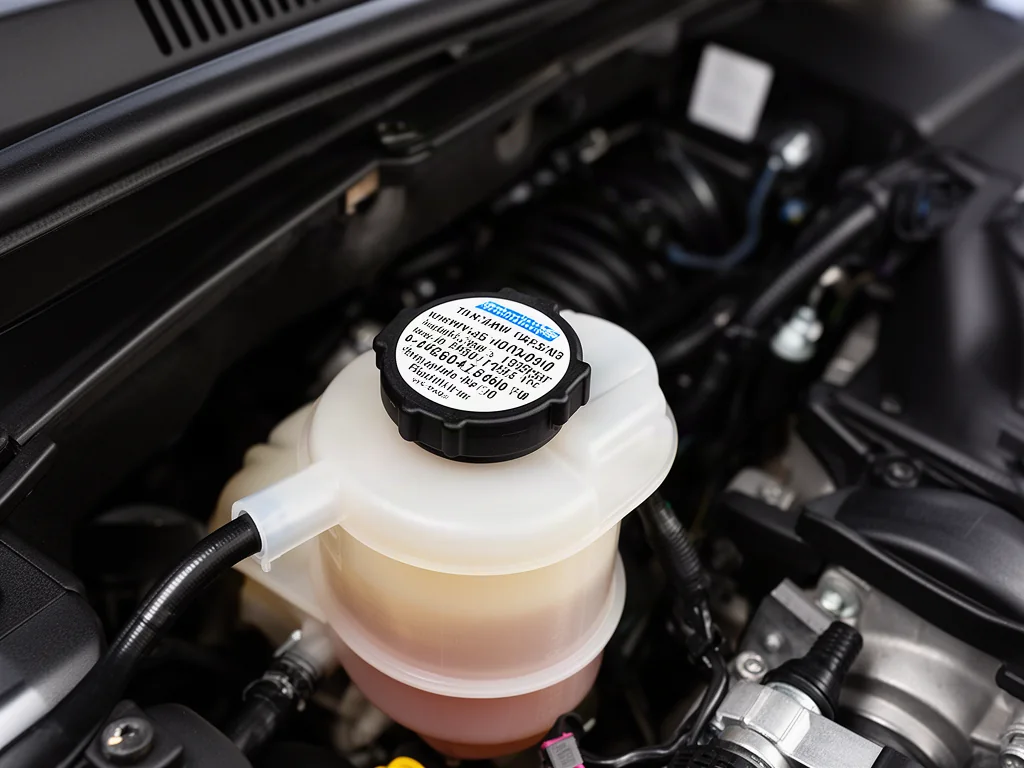
Finding the correct BMW power steering fluid or Mercedes-Benz power steering fluid starts with the hydraulic system actually fitted, not the badge on the grille. Hydraulic power steering uses a reservoir and a specified fluid. Electric power steering does not. Reservoir cap markings, manufacturer approval, and vehicle documentation identify the required specification before anyone adds a product.
Confirm Whether Your Vehicle Uses Steering Fluid
Guidance on BMW power steering fluid and Mercedes power steering fluid applies only when the vehicle uses hydraulic power steering. That system has a pump, hoses, and a fluid reservoir. Electric power steering assists through a motor and control module, so there is no hydraulic steering fluid reservoir to inspect or fill. Opening a coolant tank, brake reservoir, or washer bottle by mistake can contaminate another system. Confirm the steering reservoir exists and is labeled as such before checking fluid level or adding anything.
The brand name alone cannot identify the required fluid because both BMW and Mercedes-Benz have used more than one steering assist design across model years and engines. A later electric-assist version of a familiar nameplate will not take the power steering oil a BMW owner might remember from an earlier hydraulic car. Use the model, year, engine, and the owner's documentation to establish which system is fitted. Positive identification of the steering reservoir is required before checking or adding fluid, even when the vehicle looks similar to another in the same brand family.
Identify the Required BMW Power Steering Fluid
For a BMW that still uses hydraulic power steering, the reservoir cap or adjacent label is the first place to read the specified fluid designation. BMW hydraulic steering systems can call for ATF or CHF hydraulic fluid, depending on the documented requirement for that vehicle. Those designations are not interchangeable by brand reputation. A bottle marketed as power steering fluid for BMW is useful only if its stated specification matches the wording on the cap and in the vehicle documentation, not because the packaging mentions the brand.
Matching the exact documented requirement matters because hydraulic power steering relies on a fluid with the viscosity, additive package, and seal compatibility the pump and rack were designed around. Choosing a generic bottle simply labeled for BMW can introduce the wrong chemistry even when the vehicle is a genuine BMW. Power steering oil for a BMW is the steering system's specified fluid, not engine oil. Engine oil has a different job, a different additive set, and does not belong in the steering circuit unless the vehicle documents that product by name.
Find the Mercedes-Benz Steering Fluid Specification
Mercedes-Benz power steering fluid for a hydraulic system is identified the same way: read the reservoir cap markings and confirm them in the vehicle documentation. A Mercedes does not share one steering fluid across every hydraulic application. Different pumps, racks, and service eras can call for different specifications even within the same brand. Power steering fluid for Mercedes must be confirmed for the specific vehicle rather than assumed from another Mercedes in the driveway or from a parts-counter habit.
When selecting a bottle, compare its stated manufacturer approval or specification with the requirement printed for that vehicle. A label that says it is suitable for Mercedes-Benz does not replace a matching approval number or fluid designation. If reservoir markings are missing, faded, or ambiguous, do not top up by guesswork. A qualified service provider can confirm the Mercedes power steering fluid specification using vehicle identification details, the owner's literature, and current manufacturer service information.
Resolve Unclear Cap Markings Before Adding Fluid
An abbreviation on the reservoir cap may be enough to start the search, but it often needs clarification in the vehicle documentation to identify the exact fluid specification. ATF, CHF, and similar shorthand can refer to families of products rather than one bottle. If the cap is unreadable, looks like a replacement, or the service records conflict with the marking, pause. Adding fluid based on a faded stamp or a previous owner's leftover jug risks mixing chemistries the hydraulic power steering circuit was not designed to share.
Fluid color cannot reliably establish its specification or confirm what a previous owner added. Hydraulic fluids can darken in service, and different products can share similar amber or green tones. Color is not a substitute for reservoir cap markings or manufacturer approval. When the existing reservoir contents are unknown, confirm the prescribed fluid from documentation and seek professional advice before adding anything. A technician can inspect for a steering fluid leak, sample the fluid if appropriate, and decide whether a flush or other service is warranted rather than a simple top-off.
Check Fluid Level and Recognize Warning Signs Safely
Check fluid level only by the vehicle's documented procedure, including any cold or operating-temperature conditions and the min and max markings on the reservoir. Some hydraulic systems are meant to be read at a stated temperature so the volume reading is meaningful. Limit owner observations to safely accessible areas with the engine off, and keep clear of hot exhaust, belts, and cooling fans. Do not run the engine with the reservoir open or probe moving parts to watch the pump. A clean, readable reservoir and a stable parking surface are enough for a basic visual check.
Low fluid, visible wetness around hoses or the rack, steering noise, or a change in steering effort are reasons to investigate, not proof that a pump, hose, or rack has failed. Those signs can come from a slow steering fluid leak, aeration, or another hydraulic issue that still needs diagnosis. Recurring low fluid is a leak problem, not a consumption schedule. Sudden loss of steering assistance or difficulty controlling the vehicle is a safety issue: stop safely and arrange assistance rather than continuing to drive.
Handle Unknown or Incorrect Fluid Without Guesswork
Do not mix fluids unless compatibility is explicitly established for the vehicle's required specification. ATF and CHF hydraulic fluid are different products, and combining them because both are used in some BMW or Mercedes hydraulic steering systems is not a safe shortcut. Adding the correct fluid on top of an incorrect product does not undo contamination. Seals, the pump, and the control valves can already be exposed to the wrong additive chemistry. The useful next step is identification, not another bottle poured in to average out the mixture.
If the wrong fluid may have been added, do not add more and do not treat the vehicle as ready for normal use until a qualified technician provides guidance. Bring useful details: vehicle identification, the exact wording on the reservoir cap, the product name and specification from the container, how much was added if known, and any noise, leak, or change in steering effort. Those facts let the shop compare the actual fill with the manufacturer approval required for that BMW or Mercedes-Benz hydraulic system and decide on inspection, drain, or further diagnosis.